


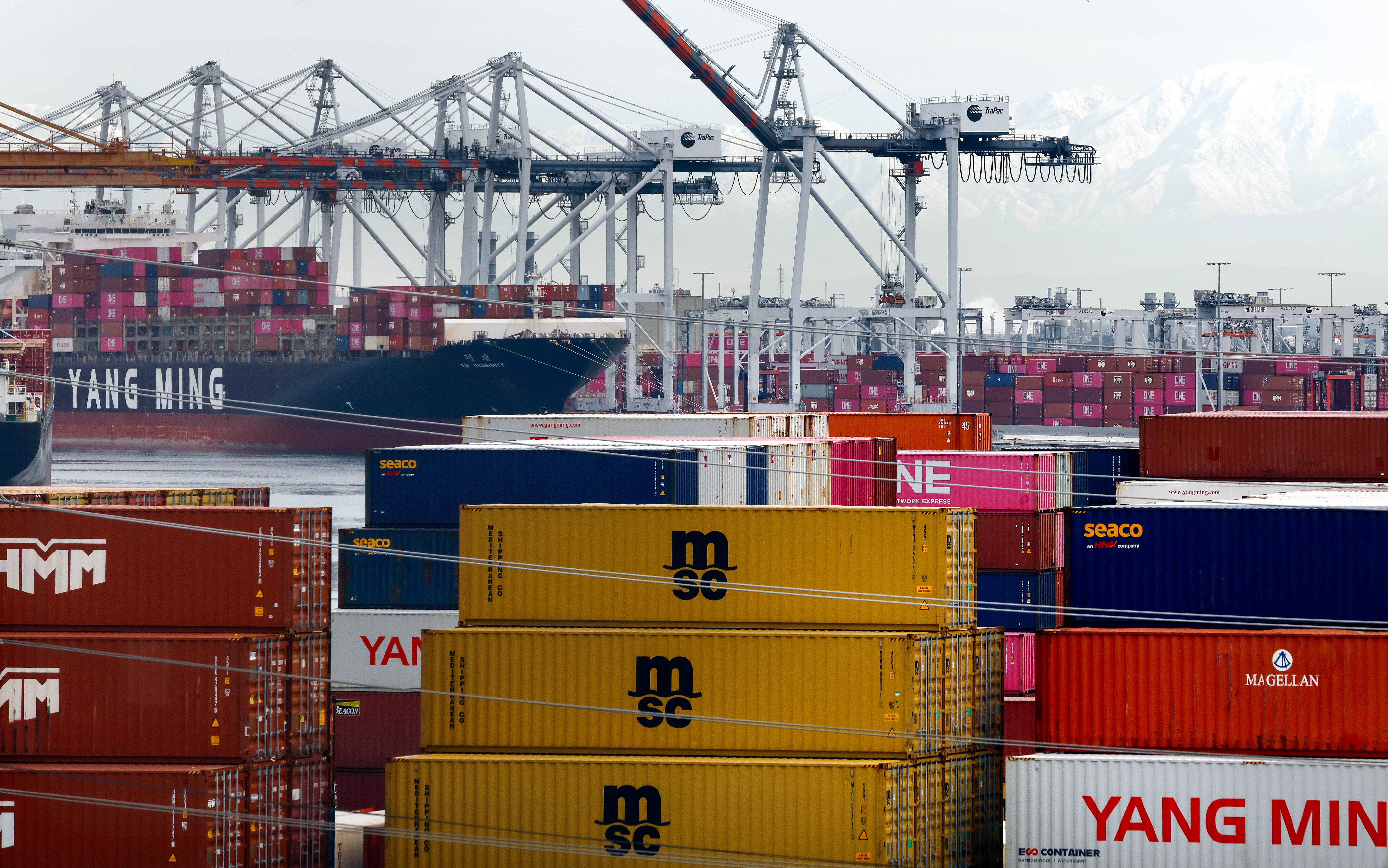



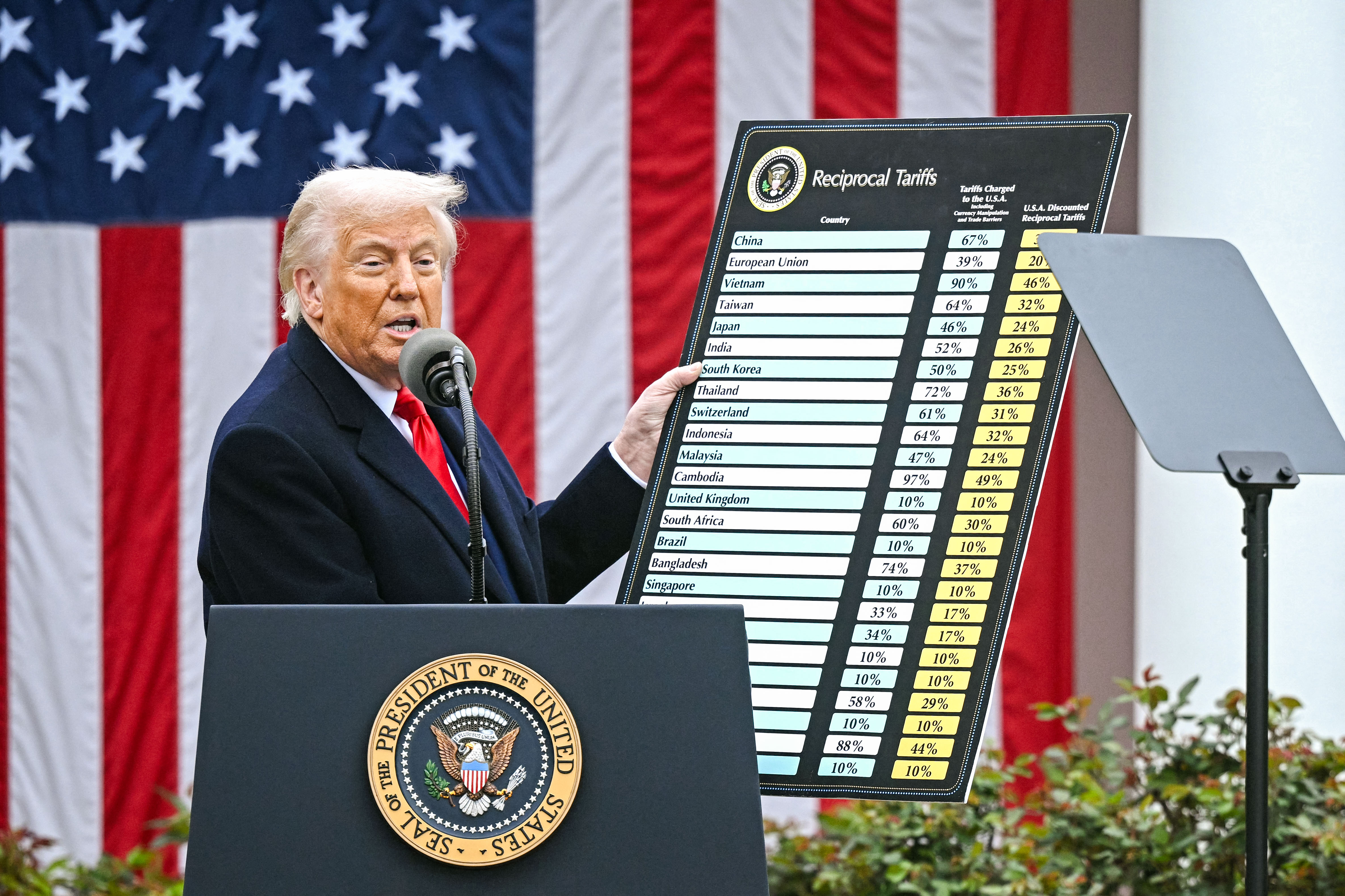
President Donald Trump said on Feb. 20 that he will issue an executive order to create a 10 percent “global tariff,” announced shortly after the Supreme Court invalidated his reciprocal duties on U.S. trading partners.
The new tariff would be added to existing import levies, which remain in place under the court’s decision.
Section 122
Trump’s executive action will invoke Section 122 of the Trade Act of 1974.


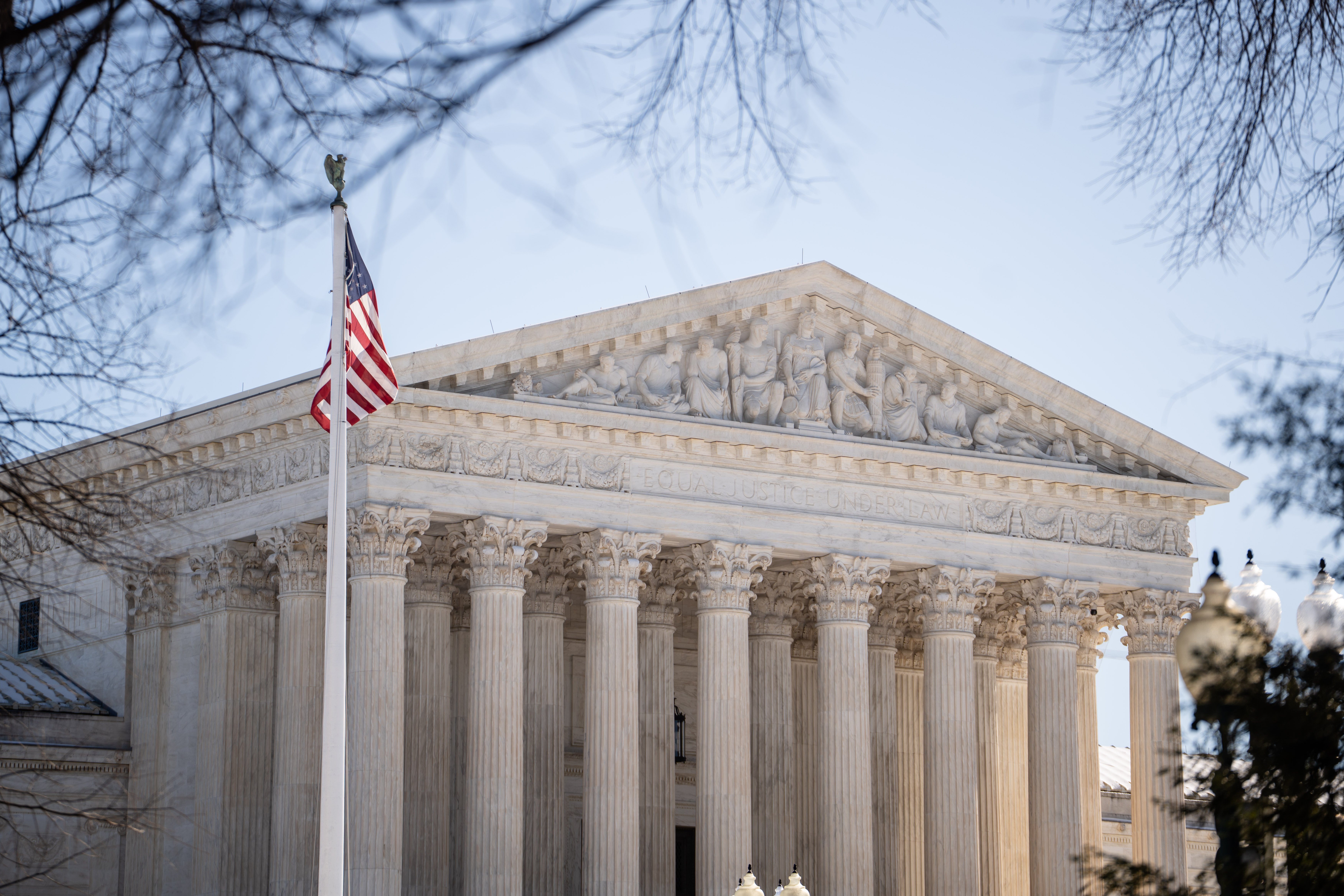
The Supreme Court on Feb. 20 struck down many of President Donald Trump’s tariffs, stating they violated an emergency powers law he invoked last year.
The president previously declared a national emergency under the International Emergency Economic Powers Act, saying the tariffs were needed to stem the flow of illegal drugs and to combat “large and persistent” trade deficits with foreign nations.
The act generally gives the president the power to regulate imports to address emergencies, but debate ensued over what that meant in practice.

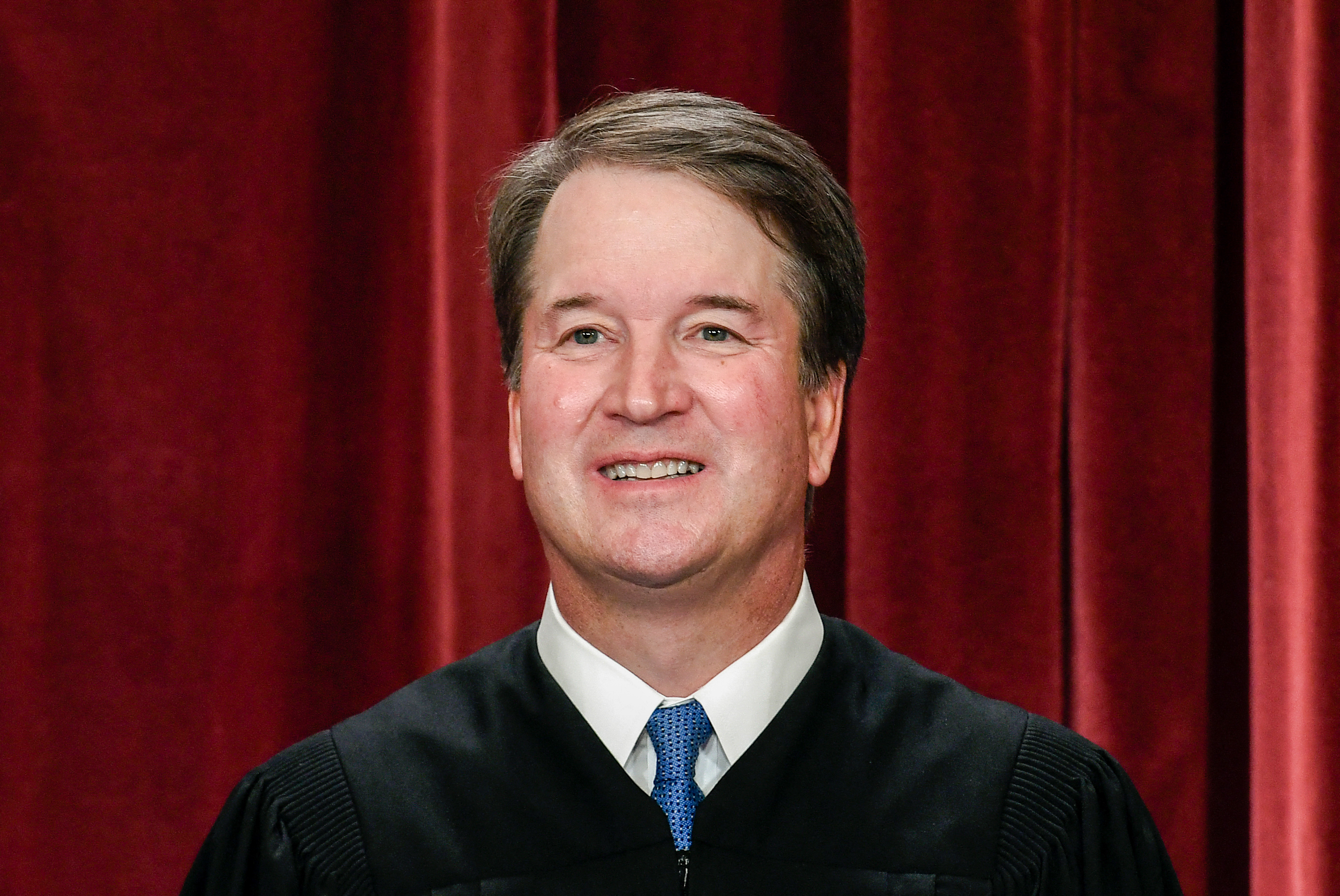
While a majority of the Supreme Court held on Feb. 20 that President Donald Trump cannot impose tariffs using the International Emergency Economic Powers Act (IEEPA), Justice Brett Kavanaugh said that he might be able to do so using other laws.
“Although I firmly disagree with the court’s holding today, the decision might not substantially constrain a president’s ability to order tariffs going forward,” Kavanaugh wrote in a dissenting opinion that was joined by Justices Samuel Alito and Clarence Thomas.
“In essence, the court today concludes that the president checked the wrong statutory box by relying on IEEPA rather than another statute to impose these tariffs.”
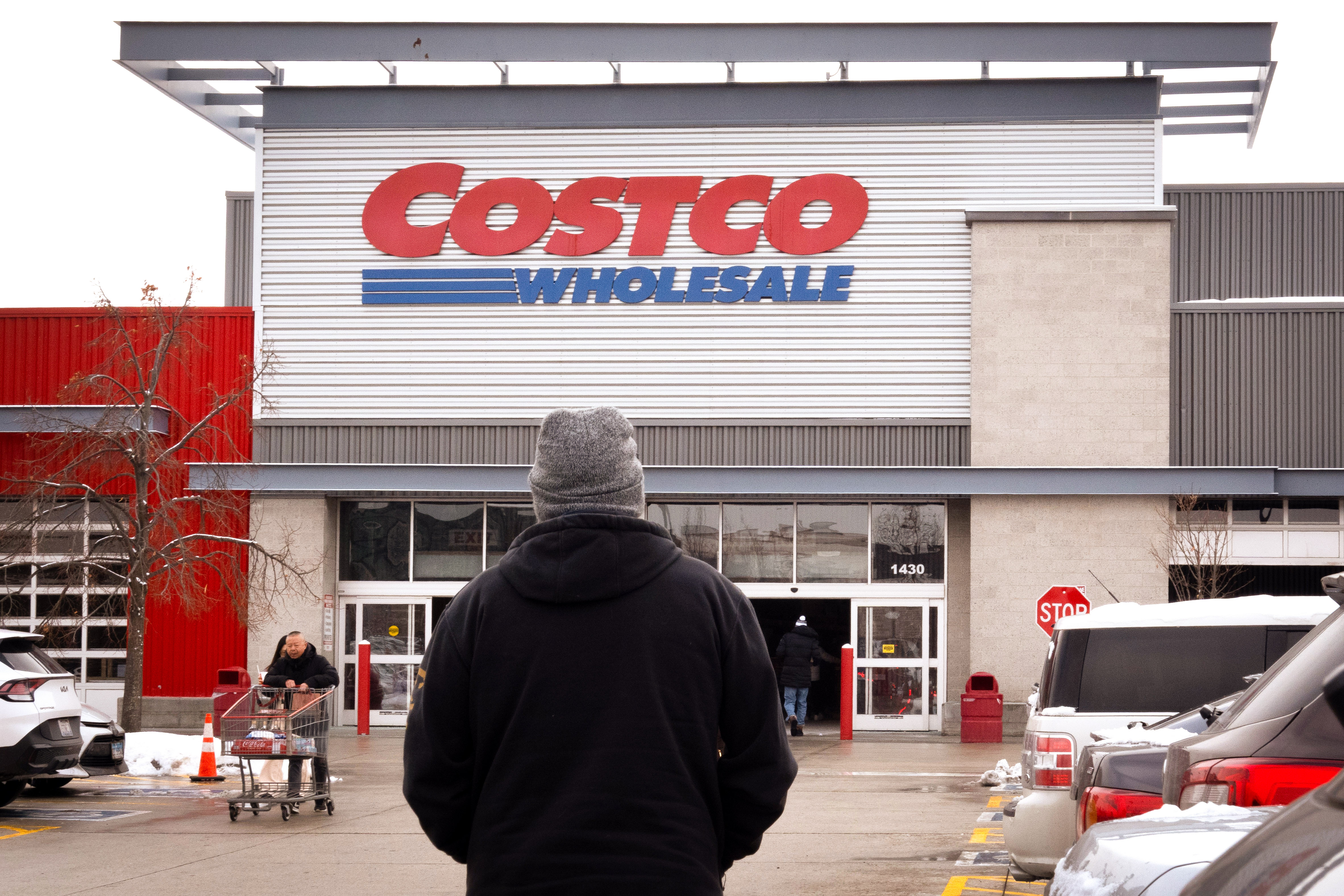
A long list of companies around the world have filed preemptive lawsuits seeking refunds on tariffs imposed under President Donald Trump’s trade actions.
The Supreme Court’s Feb. 20 ruling struck down the president’s use of emergency powers to implement those tariffs, a major setback for the administration’s broader trade agenda.
With the legal foundation for the duties now in question, businesses may face a long and complex battle to recover payments they have already made.

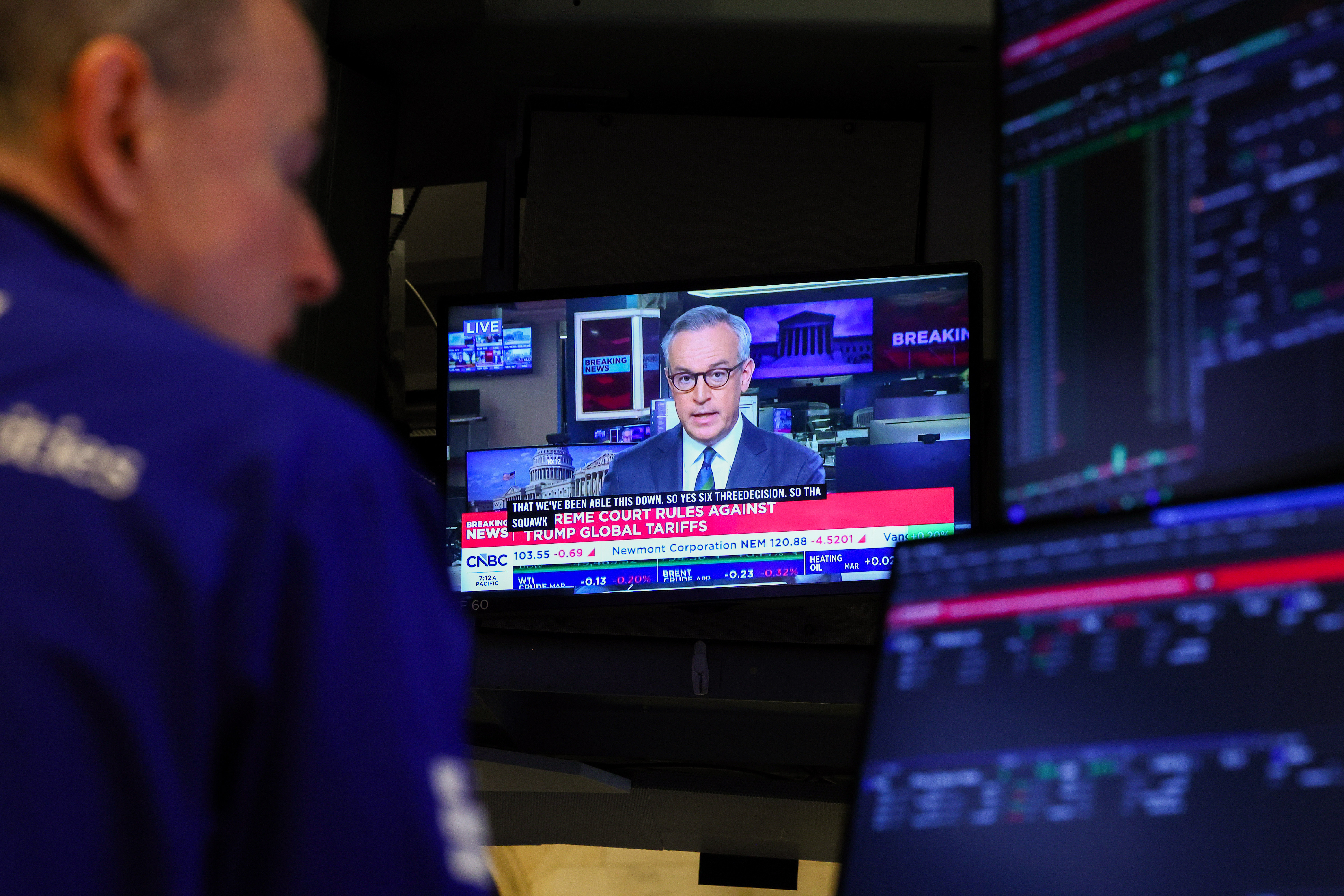
The Dow Jones Industrial Average, the S&P 500 Index, and the Nasdaq Composite all rose slightly following the U.S. Supreme Court’s 6–3 ruling that struck down a large portion of President Donald Trump’s tariffs.
As of noon trading on Friday, the Dow Jones was up around 140 points, or 0.28 percent, while the Nasdaq increased by 1.12 percent, or 253 points, in that same time period. The S&P 500 increased 0.66 percent, or 45 points.
On Friday morning, a decision released by the Supreme Court’s majority found that the U.S. Constitution “very clearly” gives Congress the power to impose taxes, which include tariffs.

WASHINGTON—The Supreme Court released its long-anticipated decision on Feb. 20 over whether President Donald Trump’s tariffs exceeded the boundaries of congressional authority.
The Supreme Court’s ruling invalidates tariffs imposed using the 1977 International Emergency Economic Powers Act.
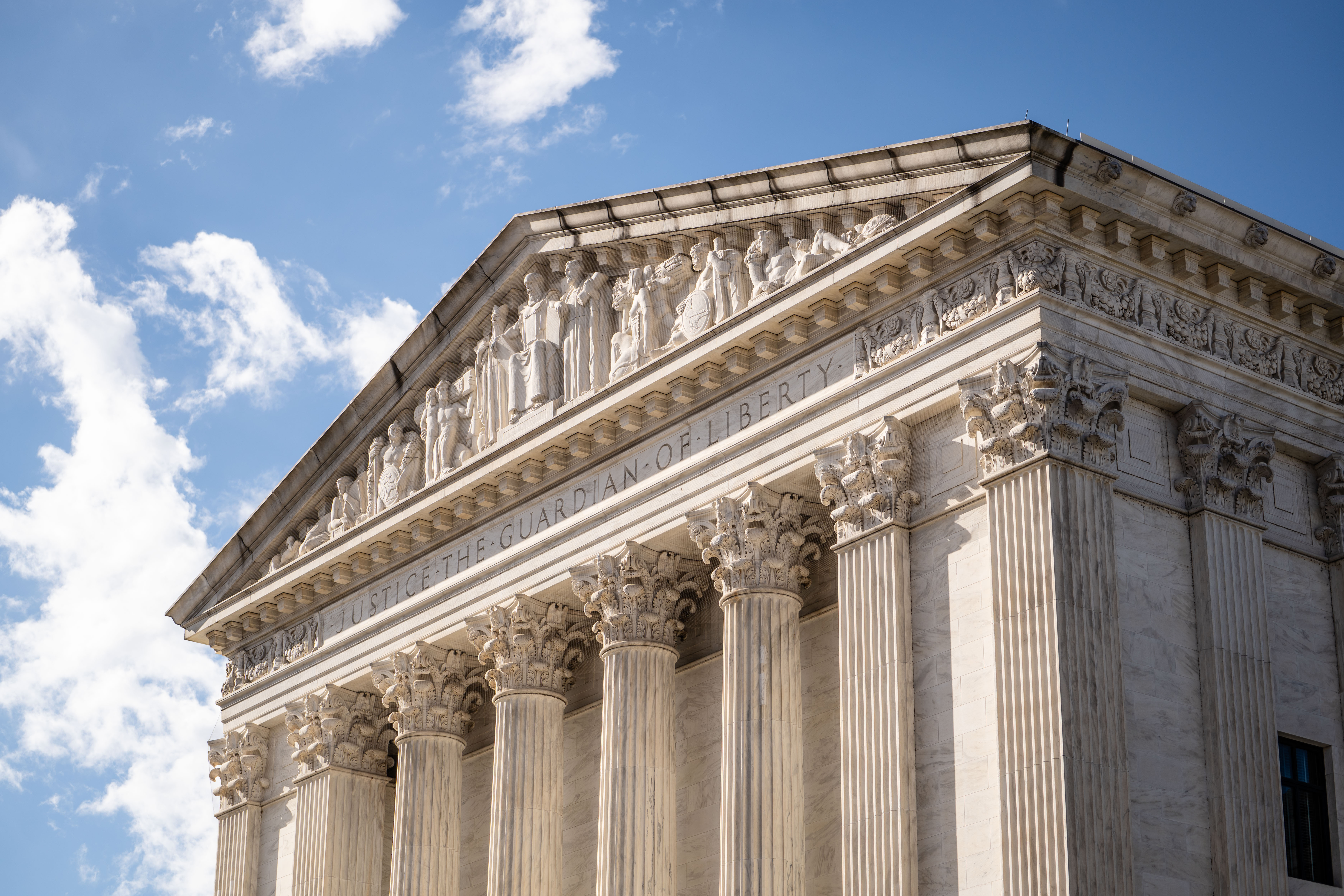
Chief Justice John Roberts wrote the majority opinion, stating that Trump’s tariffs didn’t fit with the language of the International Emergency Economic Powers Act. Trump had invoked that law to impose a series of tariffs, including reciprocal rates on dozens of countries and drug trafficking levies on Mexico, Canada, and China.
The administration argued that the law’s wording allowed tariffs by permitting the president to “regulate ... importation.”