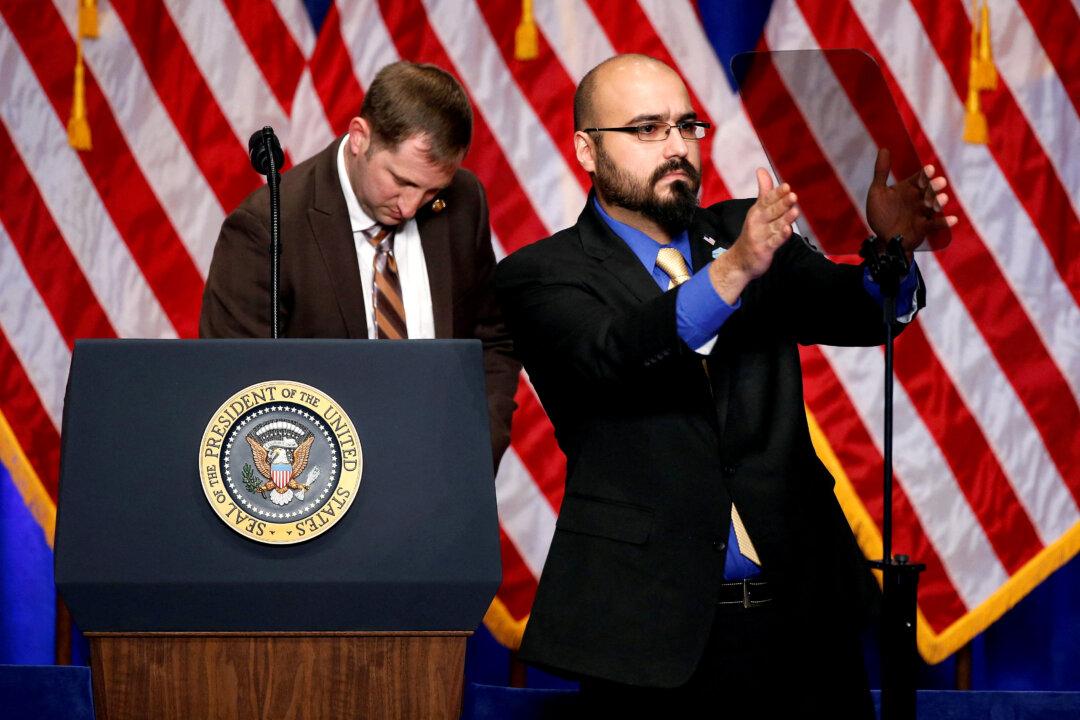
President Donald Trump on Sunday called on lawmakers to add Iran to a Russia sanctions bill that was originally introduced by the late Sen. Lindsey Graham (R-S.C.).
“That’s what Lindsey wanted to do, and it was going to happen. IMPORTANT!!!” Trump wrote on Truth Social.
Trump did not elaborate on how he would modify the bill or specify the sanctions he wants added.
The United States already maintains extensive sanctions on Iran through multiple executive orders and federal laws targeting the country’s energy, financial, shipping, defense, and other sectors. The Treasury Department’s Office of Foreign Assets Control administers the sanctions program and has continued to announce new Iran-related sanctions in recent weeks.
On July 10, the Treasury Department sanctioned Iranian financier Ali Ansari and several exchange houses it said moved billions of dollars on behalf of sanctioned Iranian banks through shell companies designed to conceal the regime’s financial activity.
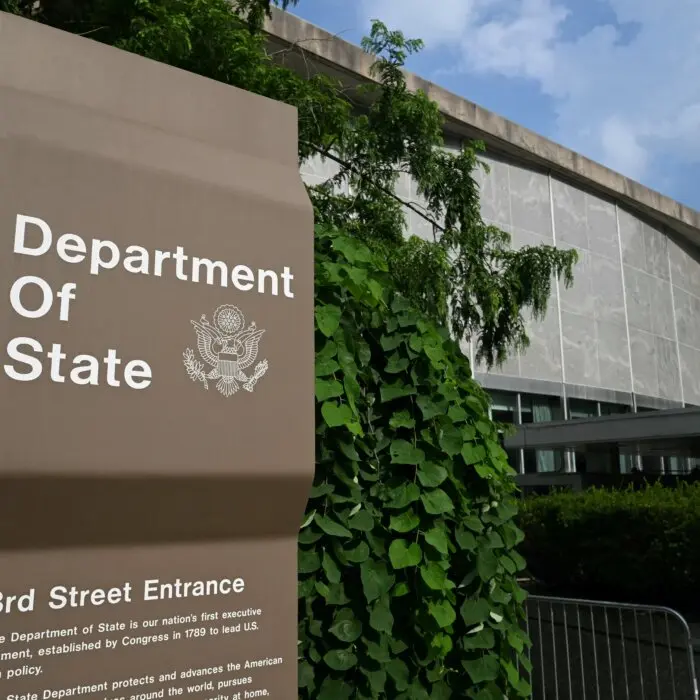

While the executive branch has continued to impose sanctions on Iran, Trump suggested Congress should also address Iran within the pending Russia sanctions legislation.
The newer, revised legislation was introduced with more than 60 bipartisan cosponsors.
The bill is named in honor of Graham, who died July 11, and is intended to continue his effort to impose tougher sanctions on Russia.
Some lawmakers expressed concerns that the original bill’s proposed sanctions on Russia were too broad and could cause economic harm to key U.S. allies. The Trump administration had concerns about the original bill also, saying the president would need flexibility to waive sanctions if it was in the nation’s best interest.
“Ukraine is at a critical crossroads—and we must meet this pivotal moment with a powerful sanctions bill,” Blumenthal said in a statement on July 16.
“As Ukraine turns the tide on the battlefield, our Russia sanctions bill would be historically impactful in stopping Russia’s murderous slaughter. … Sanctions provide a path toward peace. Our bill is the product of lengthy, detailed, difficult bipartisan work, and now has broad bipartisan support.”