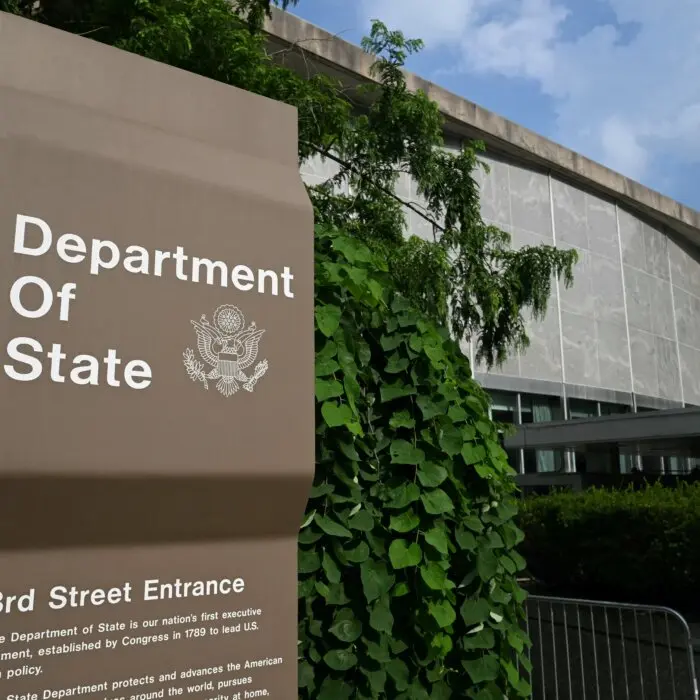
Cuban artist and San Isidro Movement leader Luis Manuel Otero Alcántara arrived in the United States on July 18 after “years of unjust imprisonment by Cuba’s communist regime,” according to the U.S. Department of State.
Alcántara was targeted for using his art to advocate for basic freedoms denied to Cubans for decades, the State Department said.
It called the San Isidro Movement “a beacon of hope” for Cubans opposing the country’s authoritarian regime and said that the regime repeatedly “harassed, detained, and imprisoned” Alcántara.
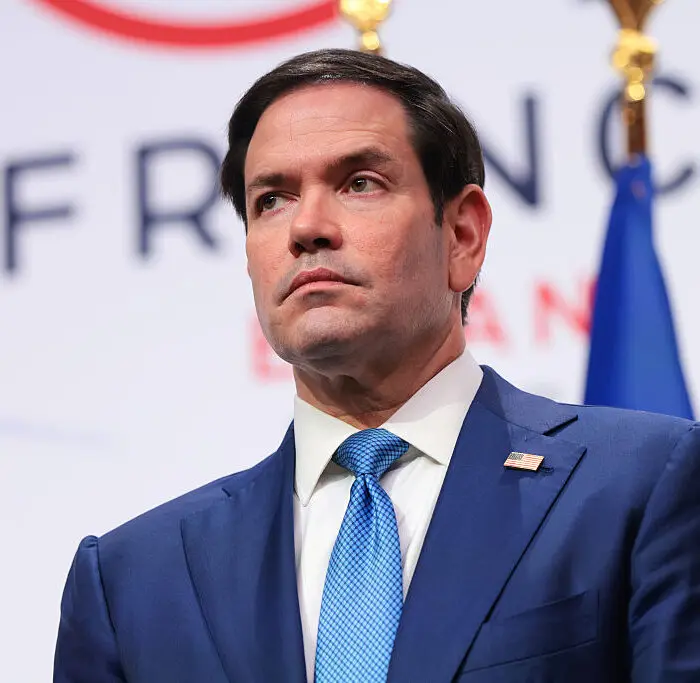
U.S. Secretary of State Marco Rubio celebrated Alcántara’s arrival in the United States, “after years of unjust imprisonment for challenging the Marxist tyranny of the Cuban regime.”
“The Cuban government’s brutal crackdown against its own people five years ago is yet another reminder of the unique misery and evil that is innate to the communist system. We continue to demand the immediate release of all political prisoners held by the Cuban regime,” Rubio wrote on X on July 18.
The San Isidro Movement is a Cuban artists’, journalists’, and activists’ organization founded in 2018 to oppose government censorship and restrictions on artistic expression, according to the Victims of Communism Memorial Foundation.
Alcántara and rapper Maykel Castillo, known professionally as “Osorbo,” were arrested by Cuban authorities in 2021 because of their activism.
The pair collaborated on the song “Patria y Vida” (“Homeland and Life”), which criticized the Cuban regime and challenged the longtime revolutionary slogan “Patria o Muerte” (“Homeland or Death”). The song became an anthem for anti-regime demonstrators during Cuba’s 2021 protests, according to the Victims of Communism Memorial Foundation.
The American Museum of the Cuban Diaspora posted a video of Alcántara arriving at Miami airport.
“Exile is not a victory,” the American Museum of the Cuban Diaspora stated in a Facebook post on July 18.
“It is the price many Cubans have had to pay to defend freedom. Today, Luis Manuel Otero Alcántara arrives in Miami after years of imprisonment and persecution. His arrival is emotional, but it also reminds us that hundreds of political prisoners remain imprisoned and millions of Cubans continue to be unable to live freely in their own land. May one day the welcomes be for a return to a free Cuba. Welcome to freedom, Luis Manuel.”
The State Department reaffirmed its support for the Cuban people’s pursuit of “democracy, prosperity, and fundamental freedoms.”
It also called for the immediate release of more than 700 political prisoners who remain unjustly detained in Cuba.
“The international community must stop turning a blind eye to the human rights abuses of the Cuban regime and join us in demanding an end to their repression,” the State Department said.