The U.S. Treasury Department imposed sanctions on more than 50 individuals, companies, and vessels linked to Iranian oil trader Mohammad Hossein Shamkhani on July 14, saying the network helped Iran evade international sanctions and generate billions of dollars in oil revenue.
Treasury officials said the action is one of the largest sanctions packages aimed at Iran’s shipping sector in recent years and is designed to disrupt the financial and logistical system supporting Tehran’s oil exports.
“The Iranian regime survives on deception, and the Shamkhani network is one of its most profitable engines,” Treasury Secretary Scott Bessent said. “Treasury is shutting down the financial infrastructure that allows the regime to continue its threats to U.S. national security and global shipping.”
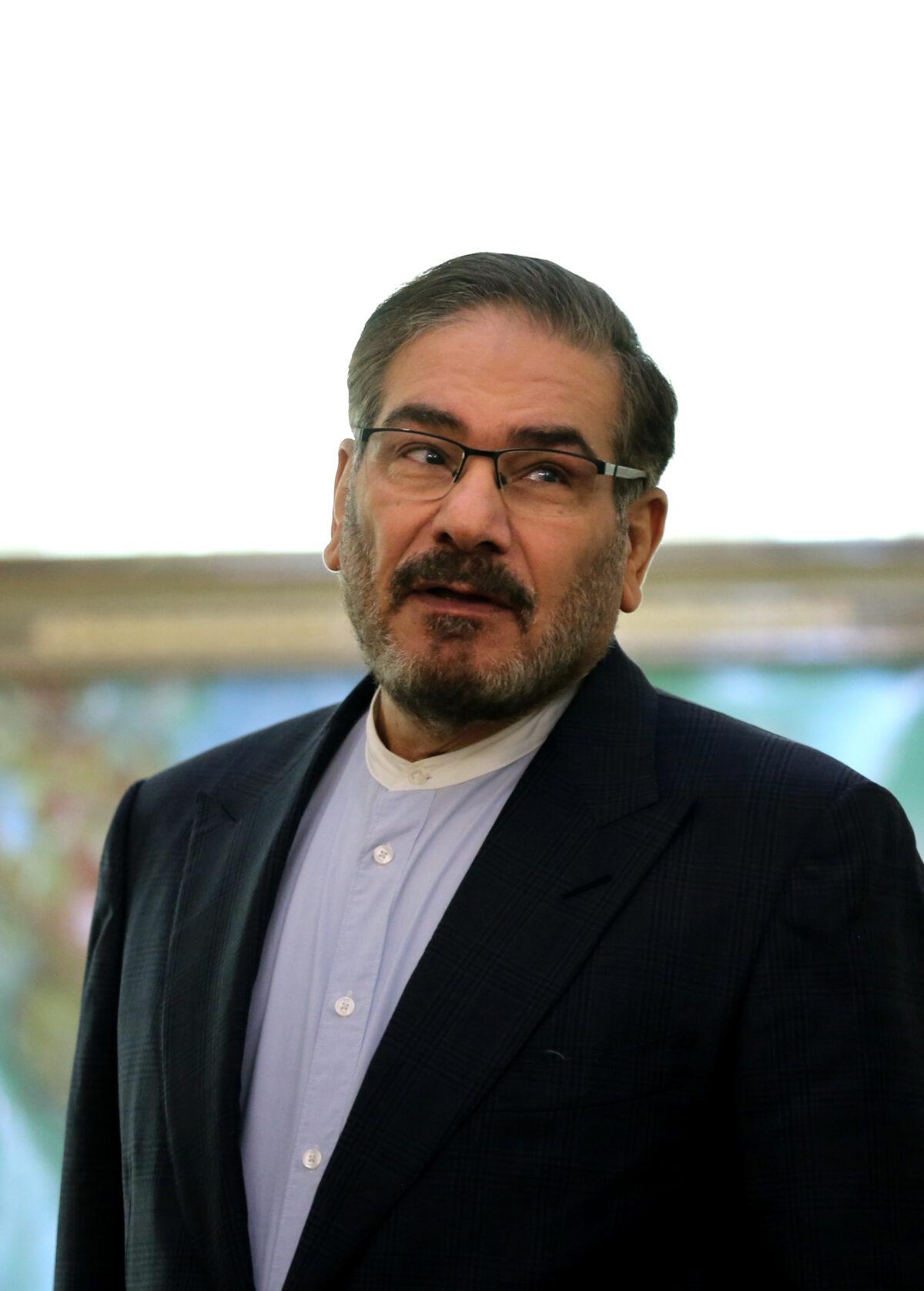
It targets what the State Department has described as “the illicit shipping and sanctions evasion network” of U.S.-designated Mohammad Hossein Shamkhani, an Iranian oil magnate and the son of Ali Shamkhani, the former top political adviser to the leader of Iran.
The department said the measures target businesses operating across several countries that allegedly helped move Iranian oil and conceal its origin.
“We are designating more than 50 individuals, entities, and vessels that enable Shamkhani and the Iranian regime to continue profiting while the Iranian people suffer,” State Department spokesman Tommy Pigott said on July 14.
According to the Treasury, Shamkhani’s network used shell companies, foreign passports, and overseas businesses to move sanctioned oil while hiding its ties to Iran.
Sanctioned
The Treasury imposed sanctions on several individuals and companies, including Mohammad Reza Rahbar Madani, Hossein Ghorbani Zahed, Ali Rakhbarmadani, Asghar Aghili Dehkordi, Glavos Shipping FZCO, and Dezera Shipping FZCO, saying they helped provide financial, shipping, and other support for Mohammad Hossein Shamkhani’s network under Executive Order 13902.Several shipping companies operating in Singapore, Dubai, Hong Kong, India, and the Marshall Islands, according to the Treasury, formed part of the network that transported cargo worldwide.
The Treasury said Sea Lead Shipping PTE. Ltd., its subsidiaries, and several Dubai-based logistics companies played key roles in Shamkhani’s global shipping network, helping transport cargo to and from Iran.
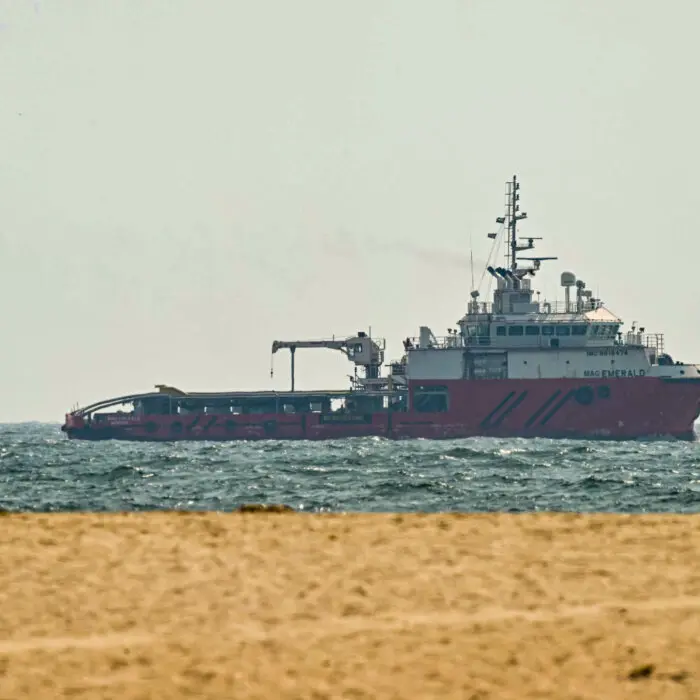
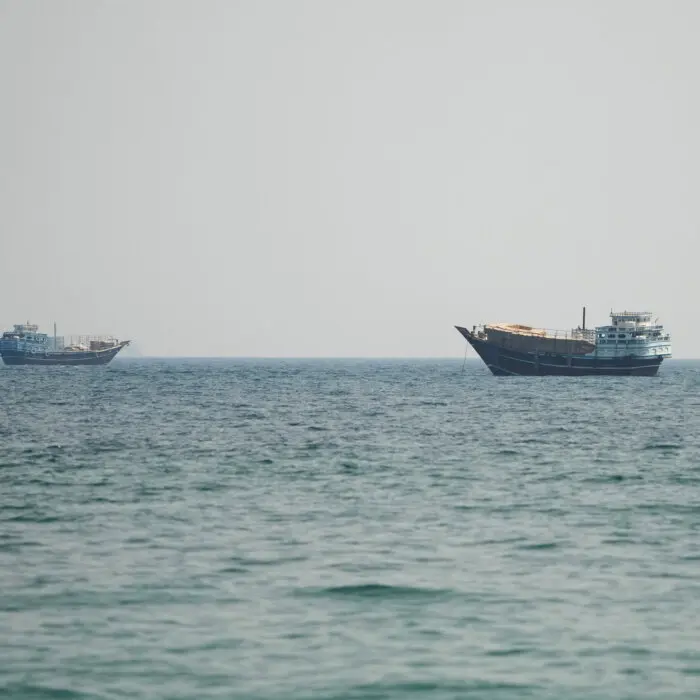
U.S. officials said the network moved both legitimate and sanctioned goods, including shipments destined for the Iran-backed Houthis in Yemen, and operated several vessels that have now been sanctioned.
Officials alleged that designated companies mixed legitimate commercial trade with shipments linked to Iran, making it harder for authorities to identify sanctioned cargo.
The latest measures expand previous sanctions imposed on members of the Shamkhani family. The Treasury noted that Ali Shamkhani was sanctioned by the United States in 2020.
“As a result of today’s action, all property and interests in property of the designated or blocked persons described above that are in the United States or in the possession or control of U.S. persons are blocked and must be reported to OFAC,” the Treasury said.
Under the measures, any company that is at least 50 percent owned, directly or indirectly, by one or more sanctioned people is also subject to sanctions.
The department said U.S. law generally bars Americans and businesses operating in the United States from dealing with the property or financial interests of designated individuals or companies unless the Office of Foreign Assets Control (OFAC) grants an authorization or exemption.
The conflict between the United States and Iran has escalated sharply over the past week, ending a fragile ceasefire established under a memorandum of understanding signed in June.
Fighting has since intensified around the Strait of Hormuz, a strategic waterway that carries about 20 percent of the world’s oil shipments.
The U.S. military said on July 14 that it carried out another round of strikes against Iranian military targets, marking the fourth consecutive day of attacks. U.S. officials said the strikes responded to Iranian actions in and around the Strait of Hormuz and were intended to protect international shipping.
Iran responded on July 15 with missile and drone attacks targeting U.S. allies in the Middle East, saying it had struck military bases in the region.
The Epoch Times reached out to the companies and individuals named in the sanctions. Some did not respond before publication, while others could not be contacted because no contact details were publicly available.