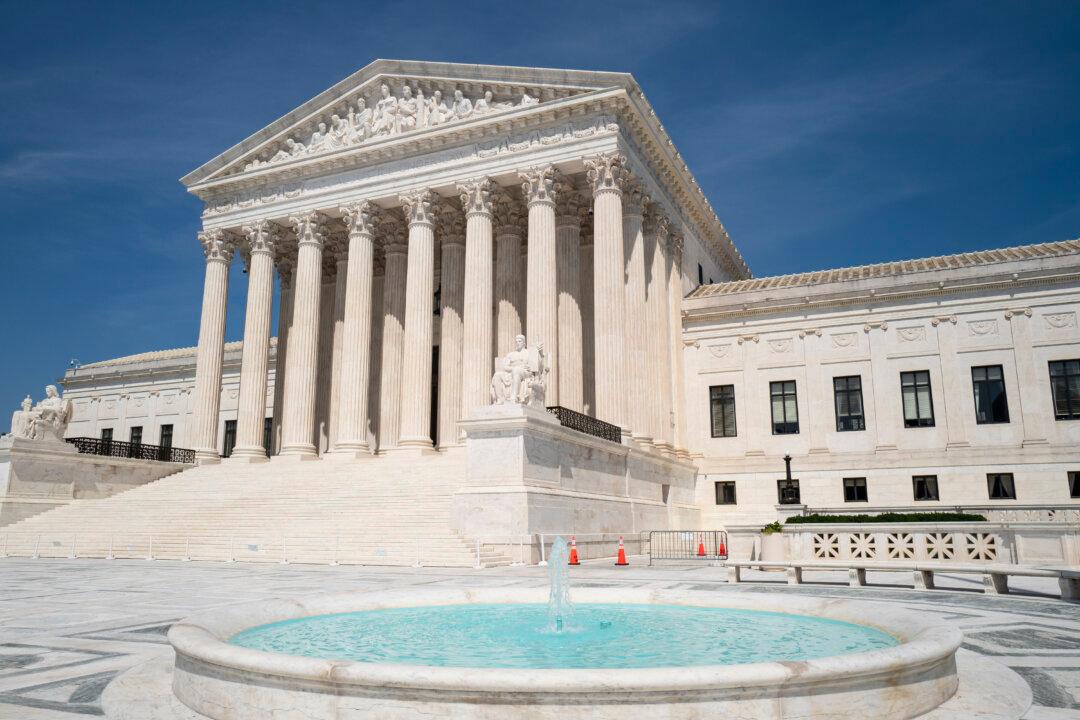
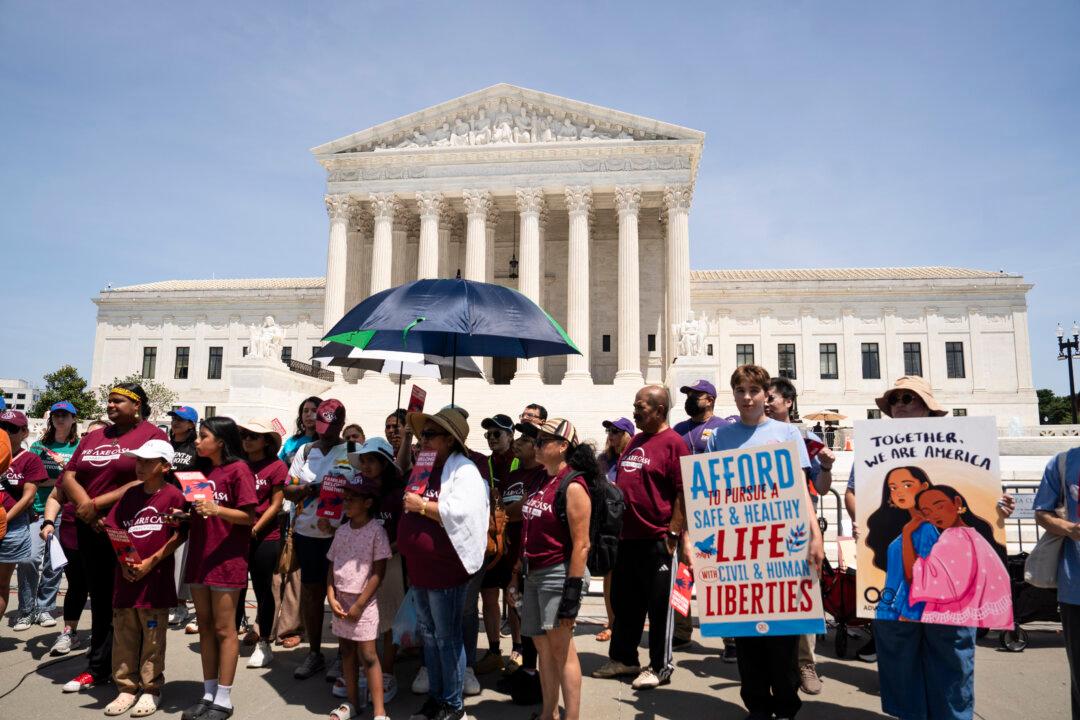
The U.S. Supreme Court has declined to take up a challenge to a federal marijuana law filed by licensed marijuana dealers in Massachusetts.
Marijuana is treated differently by federal and state laws.
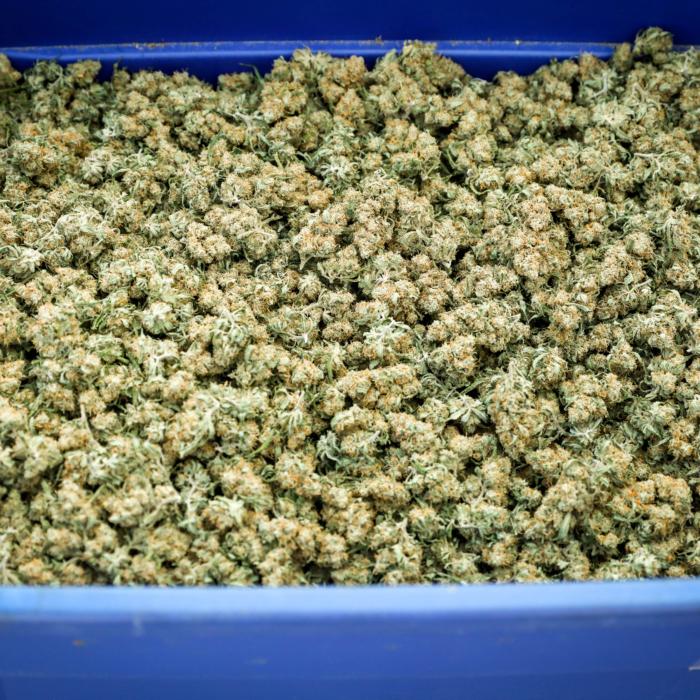

In 2023, Canna sued to challenge the Controlled Substances Act. Canna specifically asked the Supreme Court to overturn Gonzales v. Raich (2005), in which the justices held that Congress may forbid local production, distribution, and possession of marijuana even if it is authorized by state law, the petition said.
Substantive due process protects personal and relational rights, as distinguished from economic rights, that are not explicitly mentioned in the U.S. Constitution’s Bill of Rights and that are deeply rooted in U.S. history and tradition, as seen in the context of evolving social norms.
The district court also found that Canna failed to identify a basis “for finding a fundamental right to engage in the cultivation and distribution of marijuana.” The court granted the federal government’s motion to dismiss the case.
The petition filed with the Supreme Court said that developments have taken place in recent years that undermine Raich. Since that ruling, the high court has adopted a more rigorous standard toward Congress’s regulation of concerns that have traditionally been deemed local. Advances in technology have also made it possible to distinguish between marijuana that flows in interstate commerce, which the federal government may regulate, and state-regulated marijuana.
In addition, Congress and the executive branch of the federal government have adopted various policies against prosecuting state-regulated marijuana activities, which has led to a decrease in interstate commerce in marijuana.
Canna urged the high court to overrule Raich’s holding that Congress may regulate purely local economic activity if there is any “rational basis” to believe that the activity substantially affects interstate commerce, the petition said.
The federal regulation of marijuana that is already regulated by the states can no longer be deemed to be “an essential part of the [Controlled Substances Act] when the Federal Government does not treat it as such.” This “half-in, half-out” approach that allows local use of marijuana while at the same time forbidding it, is inconsistent with Raich and the rule of law, the petition said.
The Epoch Times reached out for comment to Canna’s attorney and the Department of Justice but received no response.
“We have people begging for me to do this, people that are in great pain,” Trump said during the Oval Office signing ceremony on Dec. 18.
“Frankly, I promised to be the president of common sense, and that is exactly what we’re doing.”