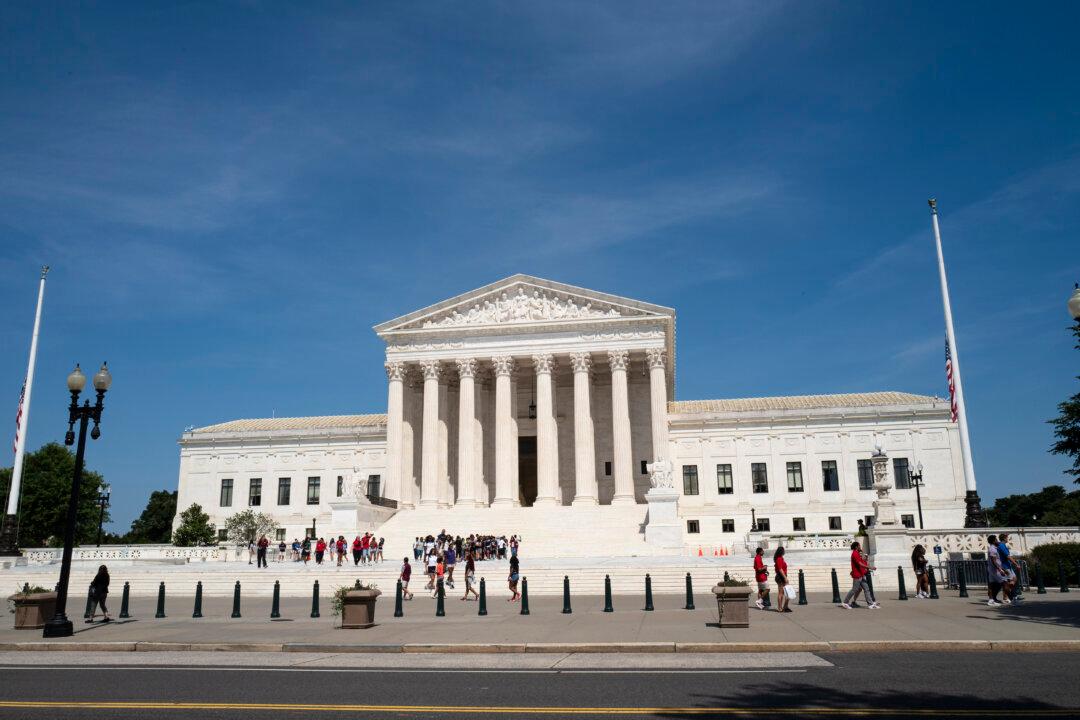
The U.S. Supreme Court scheduled oral argument in Monsanto’s appeal seeking to block thousands of lawsuits alleging the company failed to warn consumers that Roundup, its popular weedkiller, could cause cancer.
The justices also scheduled arguments in two other high-profile cases.
Chatrie v. United States, which is about the constitutionality of search warrants that collect the location history of cellphone users near crime scenes, will also be heard on April 27.
The court will hear the consolidated cases of Federal Communications Commission (FCC) v. AT&T and Verizon Communications v. FCC together on April 21. The cases are about whether provisions in the federal Communications Act of 1934 allowing the FCC to use in-house adjudications to levy penalties are constitutional.
A state appeals court upheld the jury’s finding of liability, and the Missouri Supreme Court declined to take up the matter. Many other lawsuits have been filed across the United States alleging that Roundup caused medical problems.
Missouri has not issued an official health warning about Roundup, and Monsanto has been unsuccessful in lobbying the Missouri Legislature to shield it from state-level failure-to-warn lawsuits. In 2015, an agency within the World Health Organization (WHO) classified glyphosate as “probably carcinogenic to humans.” The U.S. Environmental Protection Agency (EPA) rejected that conclusion, but in 2017, California accepted the WHO agency’s finding and categorized glyphosate as a chemical that causes cancer.
Monsanto, which was purchased in 2018 by biotechnology and pharmaceutical giant Bayer, argues that a federal law governing the labeling of pesticides preempts—or overrides—any state lawsuits.
U.S. Solicitor General D. John Sauer sided with Monsanto in a brief, writing that leaving the Missouri court’s ruling in place means “a jury may second-guess the [EPA’s] science-based judgments.”
In a brief, Durnell’s attorneys alleged that Monsanto “has known for decades” that Roundup can cause cancer, but has neither made its product safer, nor told consumers they should be cautious when using it.
Geofencing Challenge
In the Chatrie case, the Supreme Court will consider whether the Fourth Amendment bars the collection of cellphone users’ location history around crime scenes.If cellphone users want to access certain services, their phones must be set to continuously transmit their exact locations to wireless service providers. A so-called geofence warrant, which is growing in popularity with law enforcement agencies, allows police to seek location data on every person who was present at a specific location over a certain period of time.
Geofence warrants were used to investigate the Jan. 6, 2021, security breach at the U.S. Capitol. The location data led to charges against some of those involved. Some judges allowed the warrants, while others ruled that they violated the Fourth Amendment’s guarantee against unreasonable search and seizure.
Petitioner Okello Chatrie was convicted of armed robbery based on data obtained under a geofence warrant, and sentenced to nearly 12 years of incarceration.
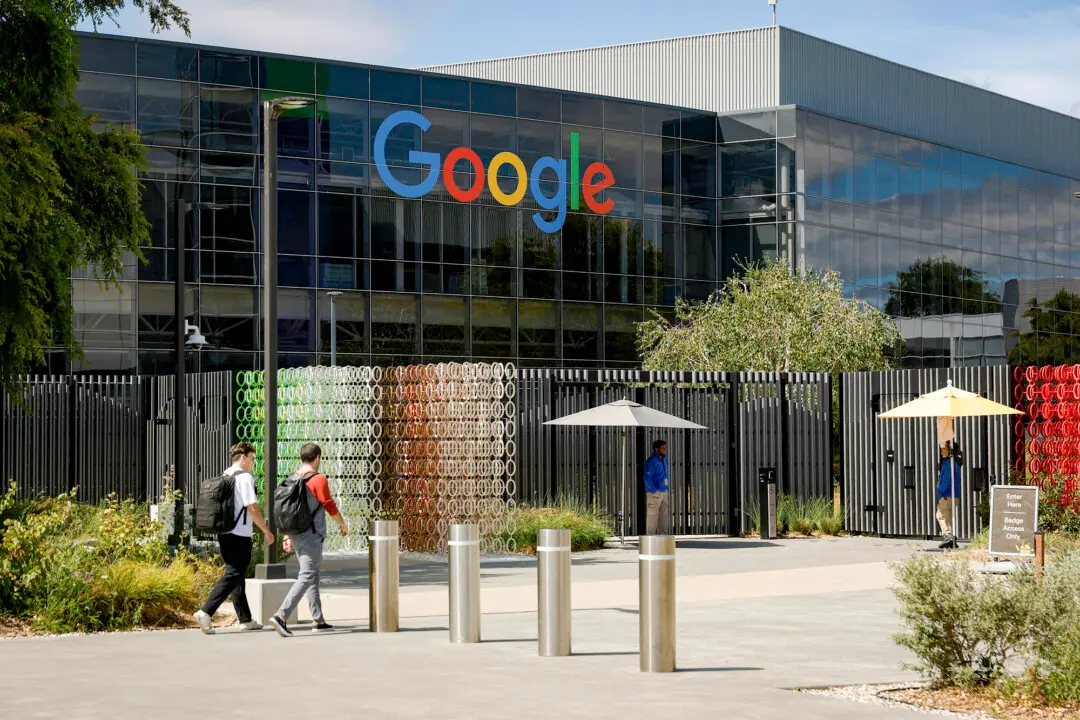
Law enforcement had obtained a geofence warrant from a state court for anonymized location data for every device that was within 150 meters (about 500 feet) of a 2019 bank robbery within one hour of the robbery, and served it on Google. Anonymized data do not contain information that could be used to identify specific cellphone users.
Google complied with the warrant and provided a list, and then, without seeking a fresh warrant, law enforcement expanded its data search, and Google handed over the additional information sought.
A divided federal appeals panel found that because the petitioner allowed location tracking on his cellphone, the Fourth Amendment did not apply.
SEC Cases
In the SEC cases, the Supreme Court will consider whether the FCC’s power to levy large fines violated Verizon and AT&T’s constitutional right to a jury trial.The FCC fined the two telecommunications companies for sharing customer location data with third parties without consent. The fines were issued before the companies had their day in court.
The dispute is the latest legal case to test whether the in-house enforcement system used by a federal agency violates the Seventh Amendment.
The case arose after the FCC levied almost $200 million in fines against wireless carriers. T-Mobile was ordered to pay $80 million, while Sprint, which T-Mobile purchased in 2020, had to pay $12 million. AT&T was required to pay $57 million, while Verizon was ordered to pay almost $47 million.
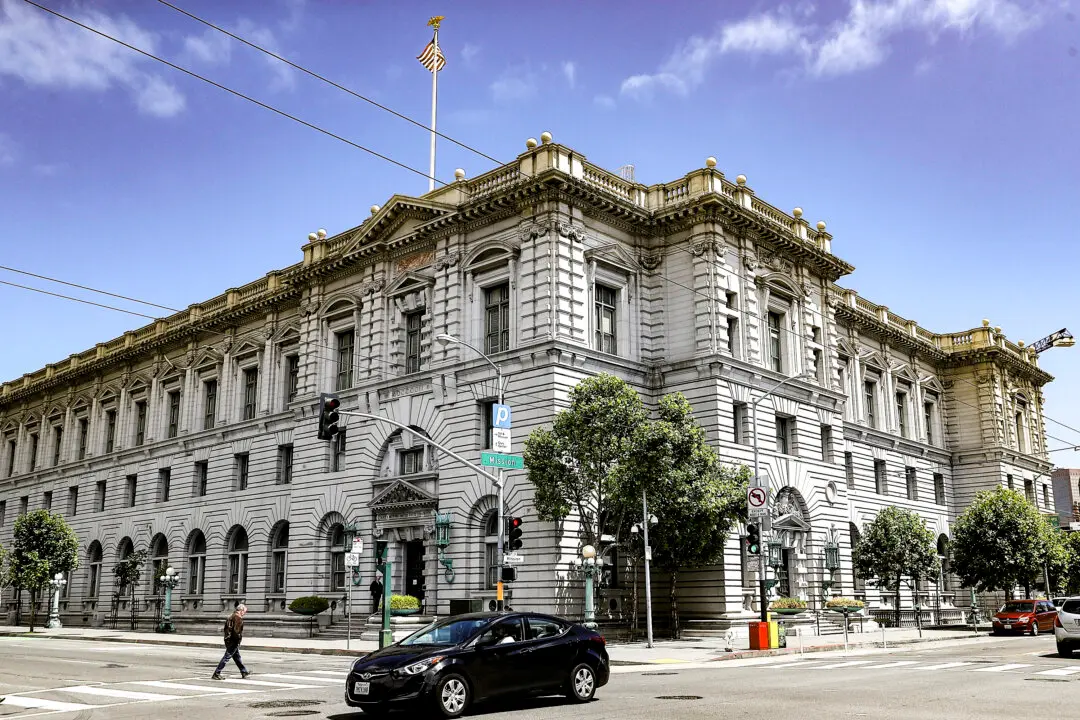
The U.S. Court of Appeals for the Second Circuit affirmed Verizon’s penalty, finding the Constitution allows the FCC to carry out an initial penalty assessment, provided that an accused party is permitted to dispute the government’s collection efforts in court.
The Fifth Circuit, on the other hand, found that the initial assessment and fine the FCC imposed on AT&T violated the company’s right to have a jury trial.
“A defendant facing a fraud suit has the right to be tried by a jury of his peers before a neutral adjudicator,” Chief Justice John Roberts wrote in SEC v. Jarkesy.
However, the commission said it agreed with Verizon that the issues raised by the company deserved to be reviewed by the Supreme Court.
Decisions in the three cases are expected to be issued by the end of June.