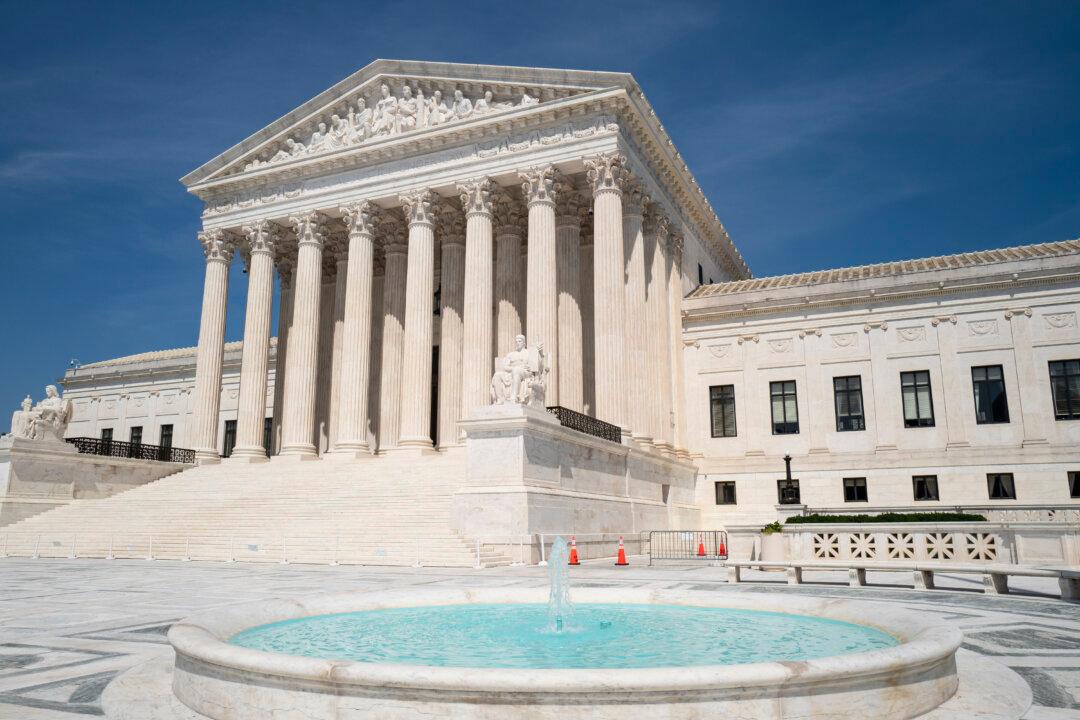
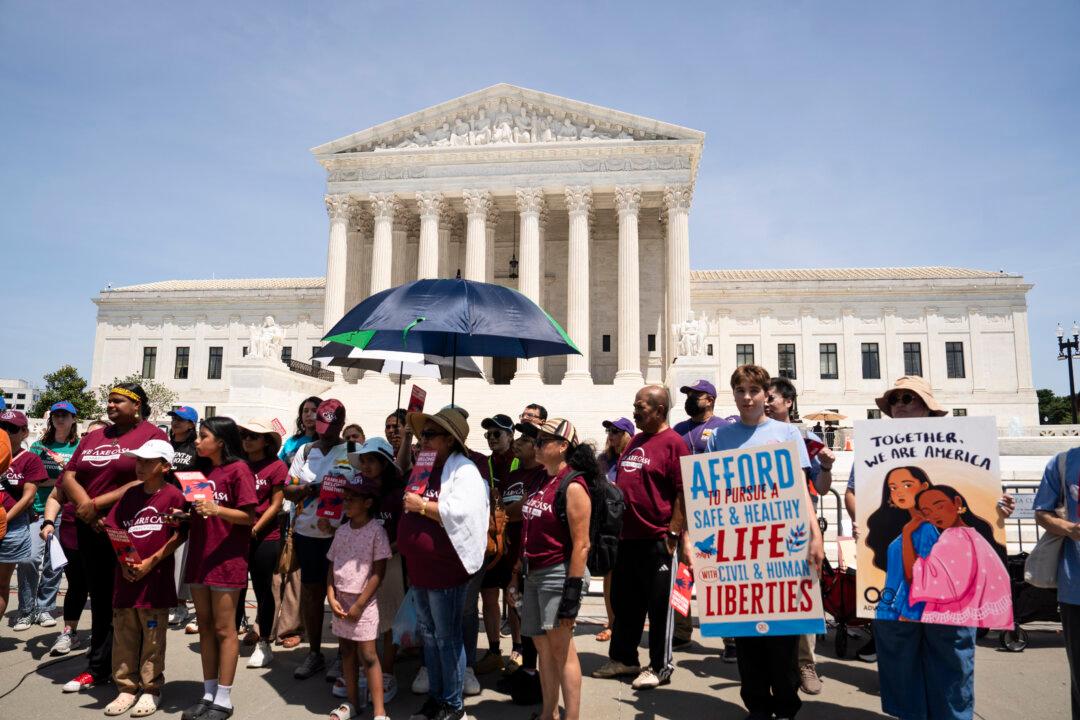
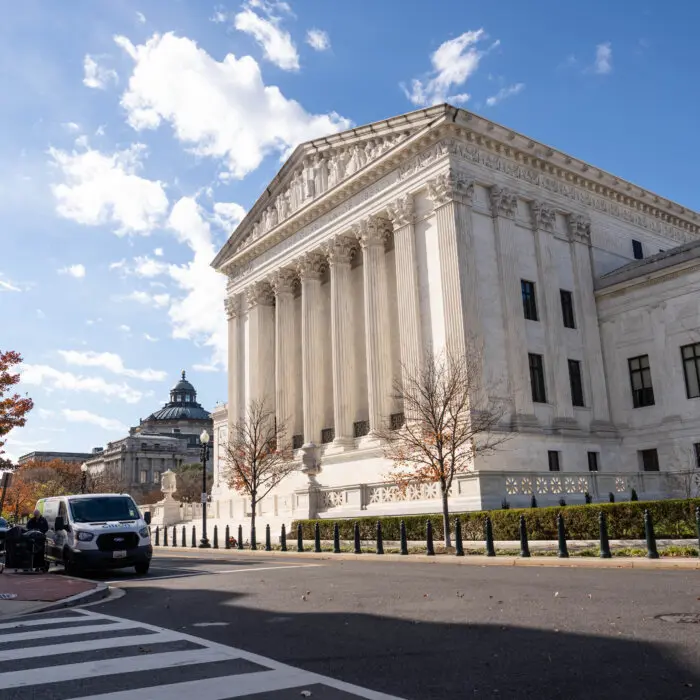
The U.S. Supreme Court will hear a challenge on Dec. 9 to a federal law restricting political parties from coordinating spending with candidates.
The case pits those who say the First Amendment vigorously protects political speech against those who say the restrictions are needed to prevent corruption and the appearance of corruption in the political process.
Congress enacted the Federal Election Campaign Act in 1972 to limit spending and fundraising in campaigns for federal political office, amending it in 1974 to include limits on how much political party committees may accept and spend to influence a federal election.
The petitioners, National Republican Senatorial Committee (NRSC), National Republican Congressional Committee, Vice President JD Vance, and former Rep. Steve Chabot (R-Ohio), sued to strike down the restrictions in the case known as NRSC v. Federal Election Commission (FEC).
Although the appeals court determined that coordinated party expenditure limits were inconsistent with recent Supreme Court rulings on the First Amendment, it upheld them, finding the issue was controlled by the still-binding 2001 precedent, according to the petition.
In recent decades, the court has invalidated campaign finance restrictions, finding they violate the First Amendment’s speech protections.
In Citizens United v. FEC (2010), the court ruled that corporations, nonprofits, and labor unions may spend unlimited amounts on elections, as long as the funds are not provided directly to or used in coordination with a candidate.
In McCutcheon v. FEC (2014), the court invalidated aggregate contribution limits, or the total amount that one donor may give in a specific federal election cycle to all political parties, candidates, and political action committees.
Supporters of the coordination restrictions say they prevent wealthy interests from dominating the political process.
Dan Greenberg, senior legal fellow at the Cato Institute, said political parties exist to help elect slates of candidates and that interfering with their ability to do that violates the First Amendment.
Greenberg said he believes that the court will strike down the challenged provisions because “they are restrictive of free speech ... [and] they prevent parties from doing the job that parties are supposed to do, which is to speak to voters about candidates.”
Carrie Severino, president of JCN (formerly the Judicial Crisis Network), said this should be “an easy case for the justices,” who have been “very protective of First Amendment rights,” especially political speech.