




Illustration by The Epoch Times, Getty Images, Madalina Kilroy/The Epoch Times
Illustration by The Epoch Times, Getty Images, Madalina Kilroy/The Epoch Times
The Supreme Court is set to hear oral arguments on Nov. 5 in a landmark case over the legality of President Donald Trump’s global tariffs.
More specifically, the justices are expected to hear two cases—Learning Resources, Inc. v. Trump, and Trump v. V.O.S. Selections, Inc.—for at least 80 minutes with input from various parties. According to the court, oral arguments will include 40 minutes from the Trump administration and 20 minutes each for both the private businesses and states challenging Trump’s policy.
Whatever the ruling, the case could have major implications for the nation’s economy and determine how much future presidents can alter trade. Here’s what you need to know heading into oral arguments.
1. What Are the Cases About?
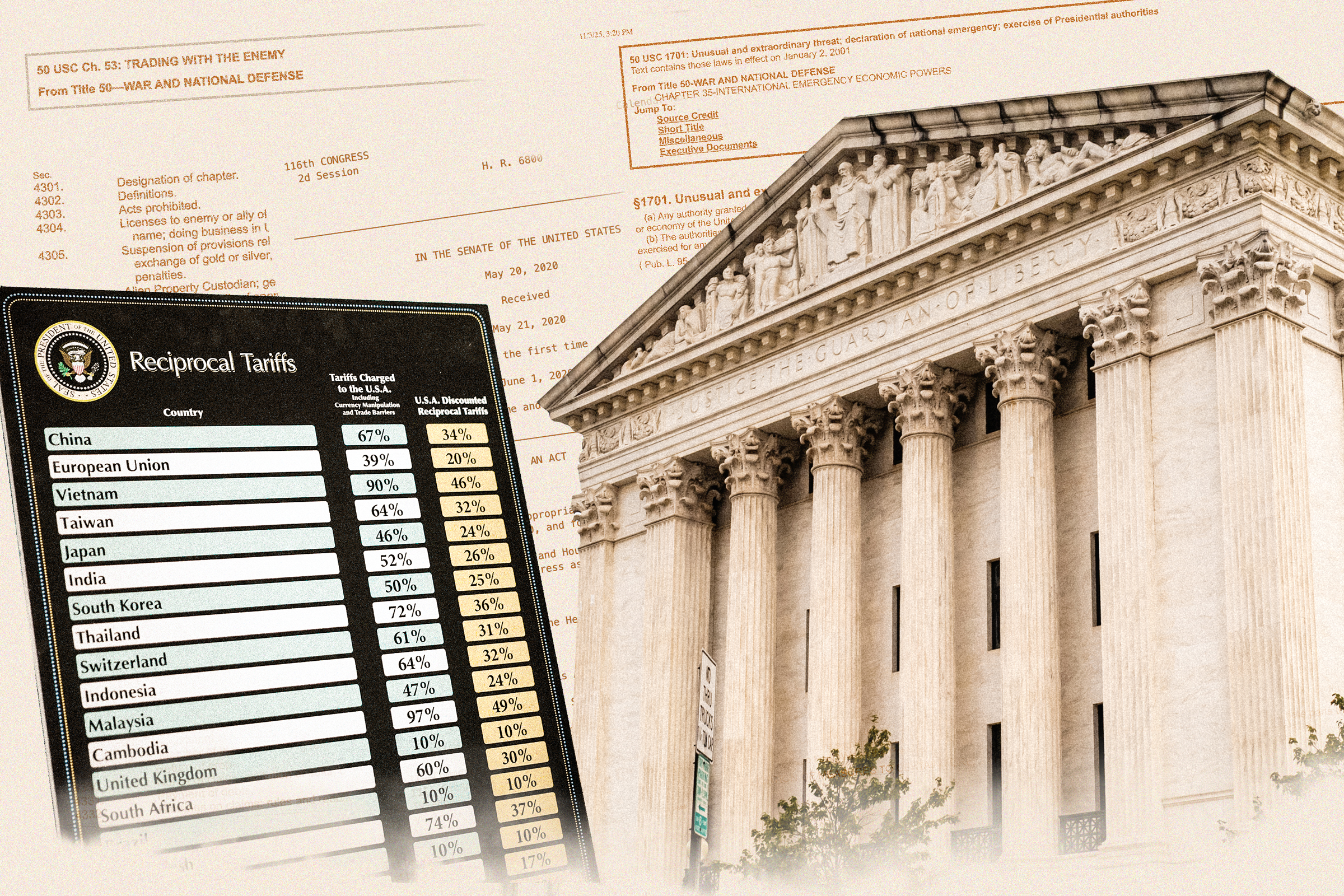
The cases center on two groups of tariffs that the Trump administration imposed earlier this year. One group targeted Mexico, Canada, and China over their alleged failure to address fentanyl trafficking, and the other set included a lengthy list of reciprocal tariffs on countries worldwide.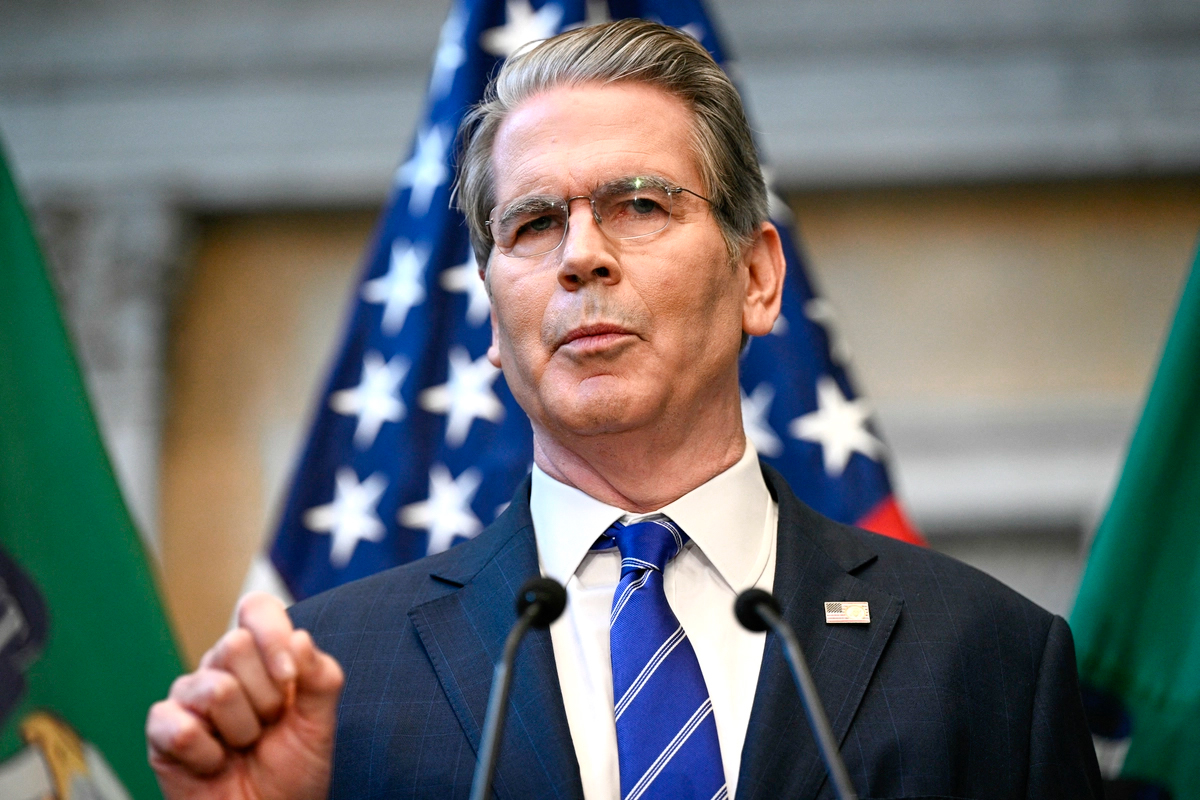
U.S. Treasury Secretary Scott Bessent speaks on the sidelines of the IMF/World Bank annual meetings in Washington, D.C., on Oct. 15, 2025. Brendan Smialowski/AFP
U.S. Treasury Secretary Scott Bessent speaks on the sidelines of the IMF/World Bank annual meetings in Washington, D.C., on Oct. 15, 2025. Brendan Smialowski/AFP
U.S. Treasury Secretary Scott Bessent said on Nov. 3 that he plans to attend this week’s Supreme Court oral arguments about President Donald Trump’s reciprocal tariffs.
Bessent was referring to the high court’s upcoming Nov. 5 hearing in two consolidated cases known as Learning Resources Inc. v. Trump and Trump v. V.O.S. Selections Inc. On Sept. 9, the court agreed to expedite review of lower court rulings that struck down most of the president’s global tariffs.
The levies being challenged are reciprocal tariffs imposed on imports from other countries to match the tariffs and other trade barriers that they already impose on U.S. exports.