Sens. Rick Scott (R-Fla.) and Marsha Blackburn (R-Tenn.) introduced legislation on July 22 that would establish a permanent memorial beside the Chinese Embassy in Washington honoring victims of the Chinese Communist Party (CCP).
Scott said the memorial would honor people killed by the CCP and the implementation of communist ideology from the rule of Mao Zedong to the present day.
Scott pointed to jailed political prisoners including Hong Kong publisher Jimmy Lai and to victims of forced labor, torture, forced sterilization, and forced organ harvesting.
“As Xi’s henchmen at the embassy walk into work every day, they should have to face the litany of crimes in which they’ve been complicit,” he said.
Victims of CCP Rule
The bill says the memorial would honor victims of genocide and crimes against humanity committed by the CCP, particularly those persecuted under policies imposed during Xi’s tenure as the Party’s general secretary.
It would also recognize people persecuted in China for peacefully exercising fundamental rights, including their political and religious beliefs.
The memorial would be required to express the “solidarity and friendship” of the American people with the people of China, along with the hope that Chinese people may one day “enjoy the blessings of liberty.”
That language distinguishes the Chinese people from the communist regime that rules them.
Blackburn said the CCP was responsible for “the worst human rights abuses imaginable,” including genocide, brutal religious persecution, forced labor, and forced sterilization.
“Our legislation would honor victims of Communist China’s tyranny” and ensure that the United States does not forget the human cost of the CCP’s oppression, she said in the statement.
Memorial Would Document Persecution
The proposal calls for inscriptions, artwork, or other educational material describing the CCP’s genocide against Uyghurs and other ethnic and religious minorities in Xinjiang.
It would also address Beijing’s suppression of Tibetan and Southern Mongolian language, religion, culture, and history, as well as the imprisonment of democracy advocates, journalists, religious leaders, and political prisoners.
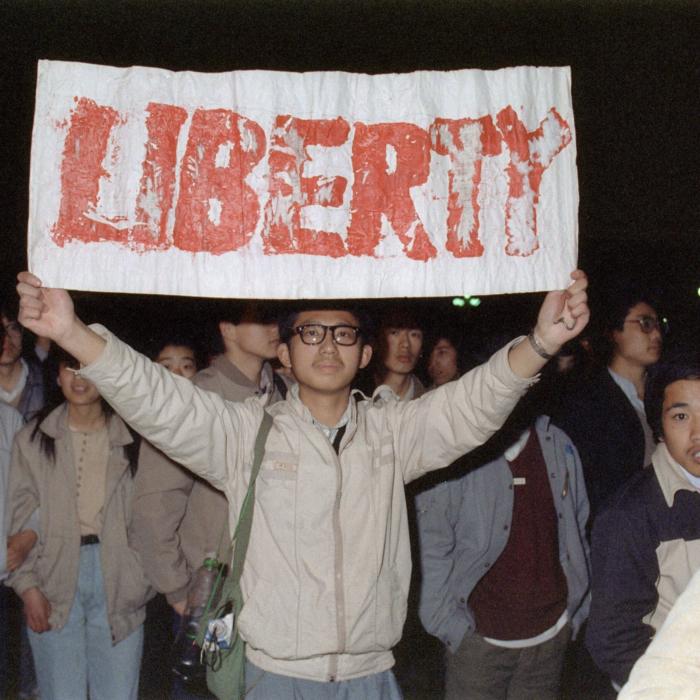
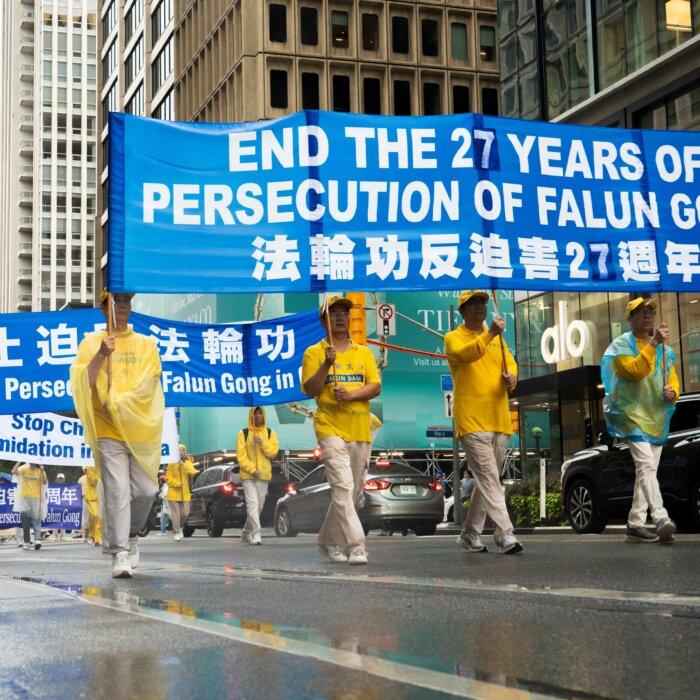
Scott’s office said the memorial could also document the Great Leap Forward and other Mao-era political campaigns, the 1989 Tiananmen Square massacre, the crushing of Hong Kong’s pro-democracy movement, and the persecution of underground Christians, Falun Gong practitioners, Tibetan Buddhists, and other religious communities.
The office said Mao was responsible for the deaths of at least 40 million people during his rule.
The secretary of state could consult survivors, victims’ relatives, and organizations working on democracy, human rights, religious freedom, ethnic rights, and freedom of expression in China.
The bill would prohibit the department from removing, relocating, or materially altering any memorial already located in International Park.
Existing Funds and Private Donations
The legislation would allow the State Department to use existing funds for the project.
Federal spending on the memorial’s design and construction could not exceed $500,000. The department could also solicit and accept private donations, which would not count toward that federal spending limit.
The bill would authorize no additional appropriations. Private donations could also be used for maintenance, preservation, and improvements after construction.
Earlier Bill Targets Embassy Address
It would also change the embassy’s official address to “1 Tiananmen Square Memorial Boulevard” and direct the General Services Administration to install street signs bearing the new name.
The Senate measure, S. 4687, was referred to the Senate Homeland Security and Governmental Affairs Committee after its June 4 introduction.