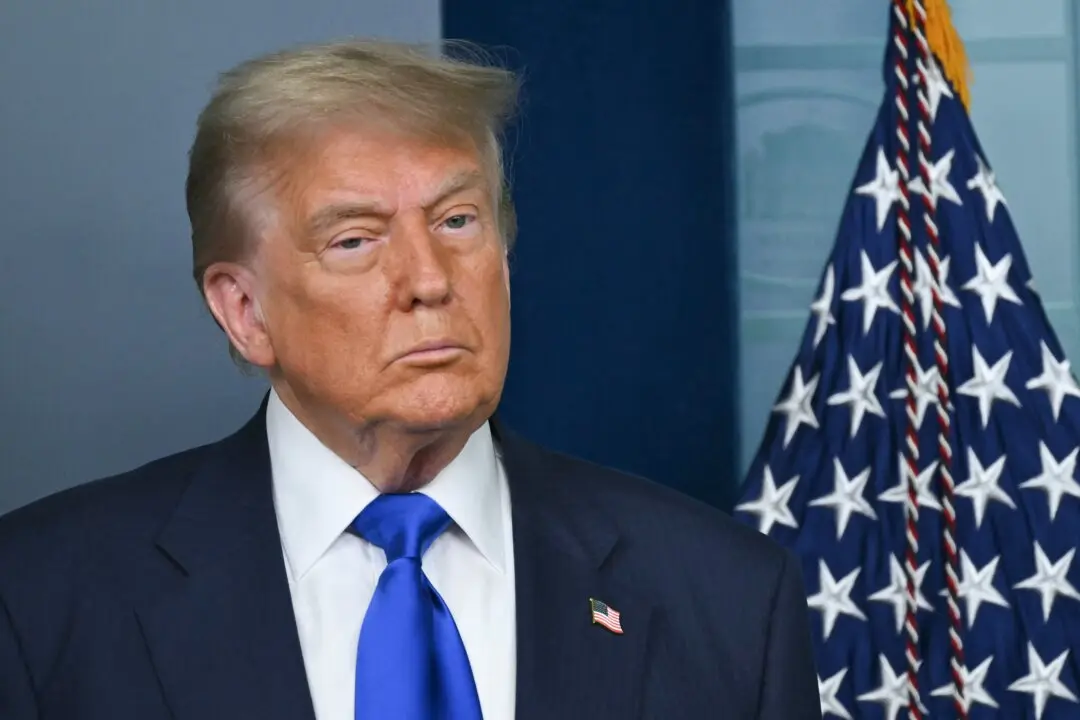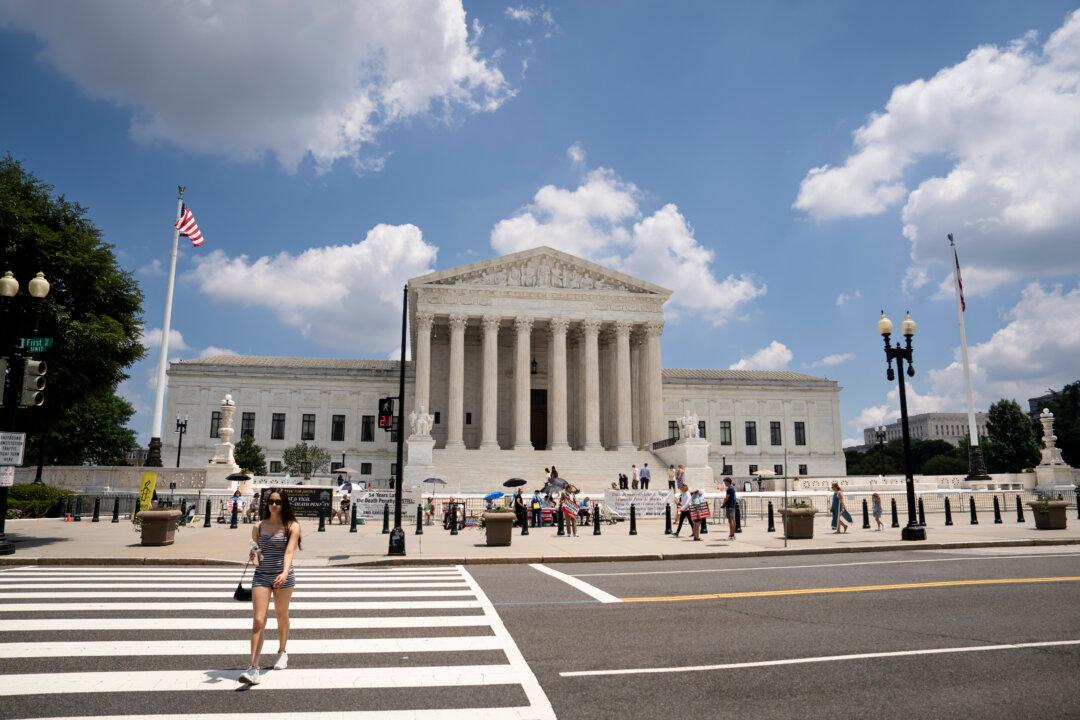
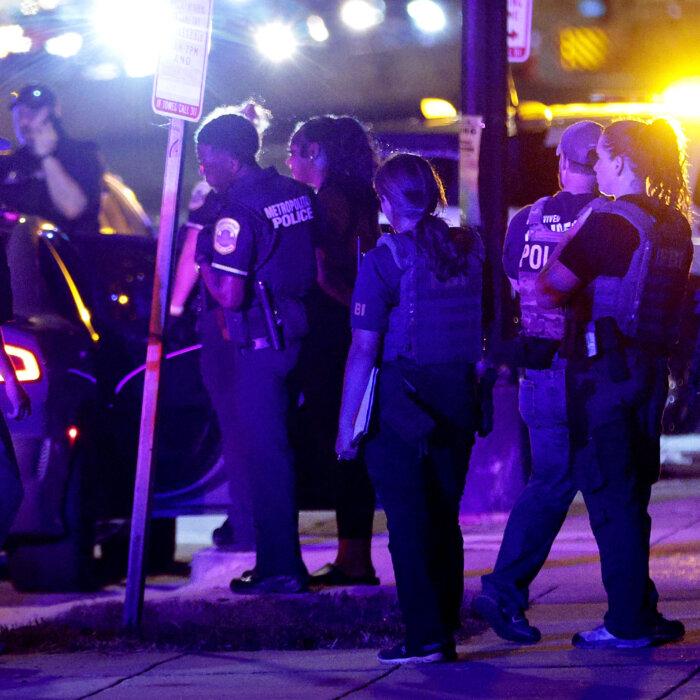
The Trump administration on Aug. 15 agreed to leave Washington Metropolitan Police Department (MPD) Chief Pamela Smith in charge of the force, instead of appointing an emergency police commissioner to lead the department.
The president’s crime emergency declaration for the city gave him authority under the law to maintain control of local law enforcement for a maximum of 30 days, after which congressional approval will be needed for him to continue his control of the city’s police.
On Thursday, Attorney General Pam Bondi directed in a memo that Drug Enforcement Agency Director Terry Cole would lead the MPD as an “emergency police commissioner.”
Earlier Friday, a federal judge ordered the Trump administration to amend this order or face a temporary restraining order.
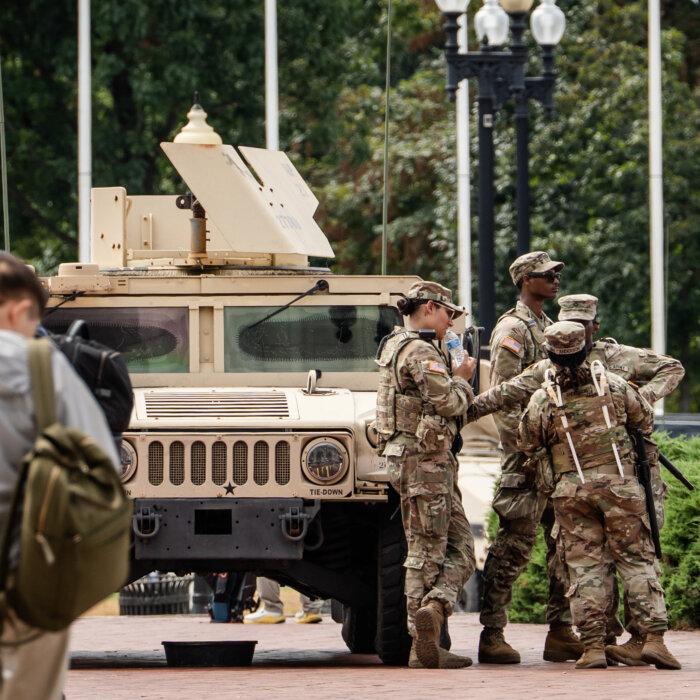
During a hearing on Aug. 15, U.S. District Judge Ana Reyes said that she would give the Justice Department until 6.30 p.m. ET to rewrite a section of its order granting authority to an emergency commissioner, but would issue an order of her own if necessary.
An attorney for the Justice Department agreed the department would rewrite the order after Reyes expressed doubt during the hearing about the section granting authority to the emergency commissioner.
After abandoning the Cole’s appointment as an emergency policy commissioner, Bondi wrote in a new memo that MPD officers were to assist in carrying out immigration enforcement within the city “notwithstanding” city laws against such cooperation.
Bondi stated in her new order that Cole will now serve as her “designee for the duration of the emergency declared by the President for the purpose of directing the Mayor of the District of Columbia to provide such services of the [MPD] as the Attorney General deems necessary and appropriate.”
Reyes held a hearing after the D.C. attorney general filed a lawsuit on Aug. 15 alleging that the administration was exceeding its authority under the D.C. Home Rule Act, a 1973 law that Congress passed to outline local control of the district. It also contains a provision that allows the president to declare an emergency and intervene in certain ways.
On Aug. 15, D.C. Attorney General Brian Schwalb filed a lawsuit alleging that the administration was exceeding its authority under the D.C. Home Rule Act.
During the Friday hearing, an attorney for the Justice Department cautioned against the issuance of a temporary restraining order, arguing that much of the dispute comes down to semantics.
The relevant portion of the law says that “whenever the President of the United States determines that special conditions of an emergency nature exist which require the use of the Metropolitan Police force for federal purposes, he may direct the Mayor to provide him, and the Mayor shall provide, such services of the Metropolitan Police force as the President may deem necessary and appropriate.”
Although that section of the law is titled “Emergency control of police,” Reyes said she doubted that the Home Rule Act allowed the administration to take total control. Instead, she suggested that police would have to provide services requested by the administration, such as assisting Immigration and Customs Enforcement.
Reyes declined to address whether Washington was facing an actual emergency but indicated she would address that in the following week’s hearing.
Before a brief break, she directed attorneys from both sides to try to come to a temporary agreement and seemed interested in avoiding issuing a temporary restraining order.
Bondi’s order also purported to rescind the police chief’s executive order allowing members of the police to assist federal immigration enforcement but directing them not to take certain actions, like arresting individuals solely based on federal immigration warrants. It clarified, however, that the arrests shouldn’t be made “as long as there is no additional criminal warrant or underlying offense for which the individual is subject to arrest.”
The order also prohibited members of the police from using databases solely for the purpose of inquiring about an individual’s immigration status.