A federal judge dismissed on July 25 the Trump administration’s lawsuit over Illinois’s sanctuary policies, holding that the policies either didn’t violate federal law or were protected by state sovereignty.
Jenkins said that while the Immigration and Nationality Act allowed states to cooperate with federal immigration enforcement, it didn’t require that cooperation.
“There’s no doubt—particularly at the motion to dismiss stage where well-pleaded allegations are presumed true—that, absent the Policies, it might be easier for immigration agents to discharge their obligations under the [Immigration and Nationality Act],” she said.
“But because the [Immigration and Nationality Act] merely offers States the opportunity to assist in civil immigration enforcement, the Policies don’t make [Immigration and Customs Enforcement’s] job more difficult; they just don’t make it easier.”
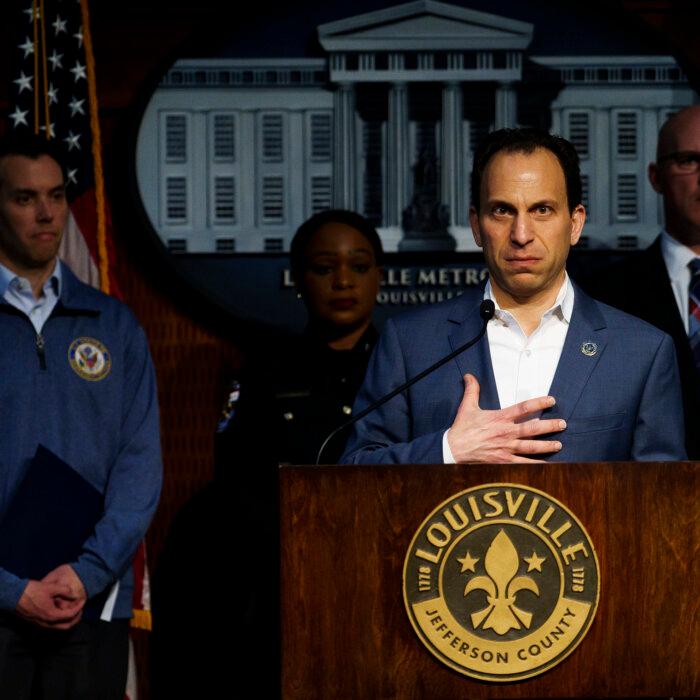

The administration’s lawsuit focused on two state laws and two local ordinances from Chicago and Cook County, respectively. Each generally restricted cooperation with federal immigration enforcement, including through communication about detainees.
According to Jenkins, the phrasing of “information regarding the citizenship or immigration status” didn’t include things like noncitizens’ contact information or release dates.
Chicago’s Welcoming City Ordinance, Jenkins said, restricted sharing of information about citizenship or immigration status and therefore ran “headlong” into Congress’s prohibition on that type of restriction. She added, however, that regulating states and local governments in that way was unconstitutional.
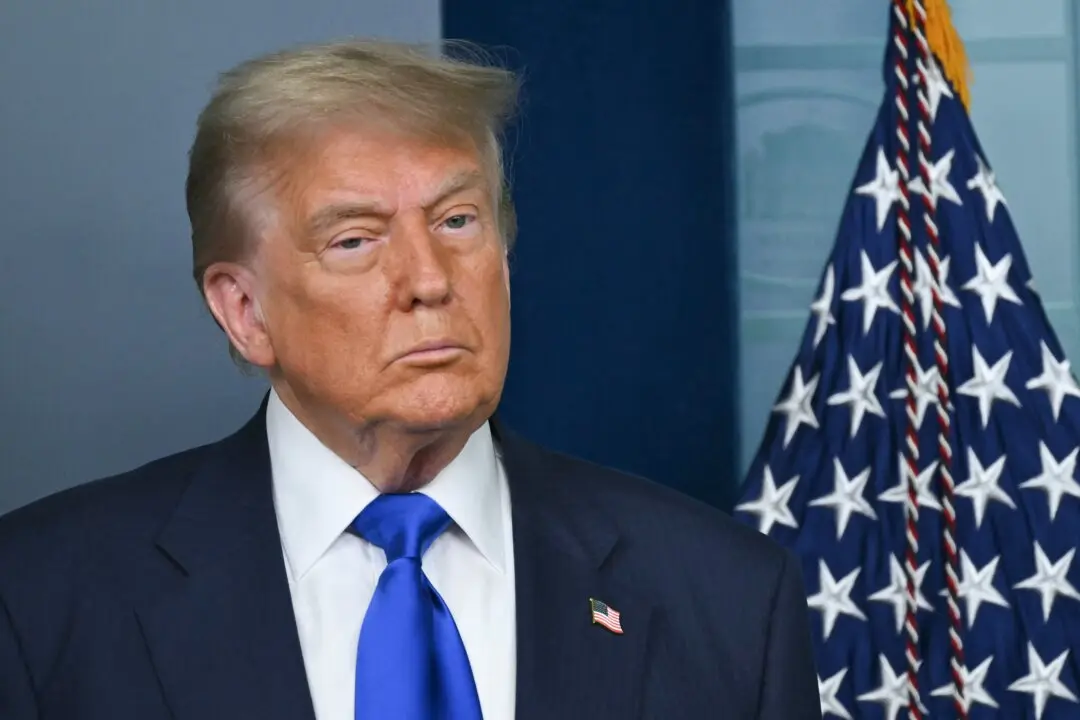
The administration has challenged similar state and local policies across the country. These lawsuits were part of a broader strategy to beef up immigration enforcement amid what President Donald Trump described as an emergency at the southern border.
In a subsequent executive order, Trump directed the Justice Department and Homeland Security Department to pursue legal remedies for jurisdictions that refuse to comply with federal law. Citing what he said was an “invasion” at the southern border, Trump said the federal government had an obligation to defend the states.
“Some State and local officials nevertheless continue to use their authority to violate, obstruct, and defy the enforcement of Federal immigration laws,” he said. “This is a lawless insurrection against the supremacy of Federal law and the Federal Government’s obligation to defend the territorial sovereignty of the United States.”