In San Diego, there is a place where you can be transported to exciting spots all over the world without ever leaving Southern California.
Exploring the Garden
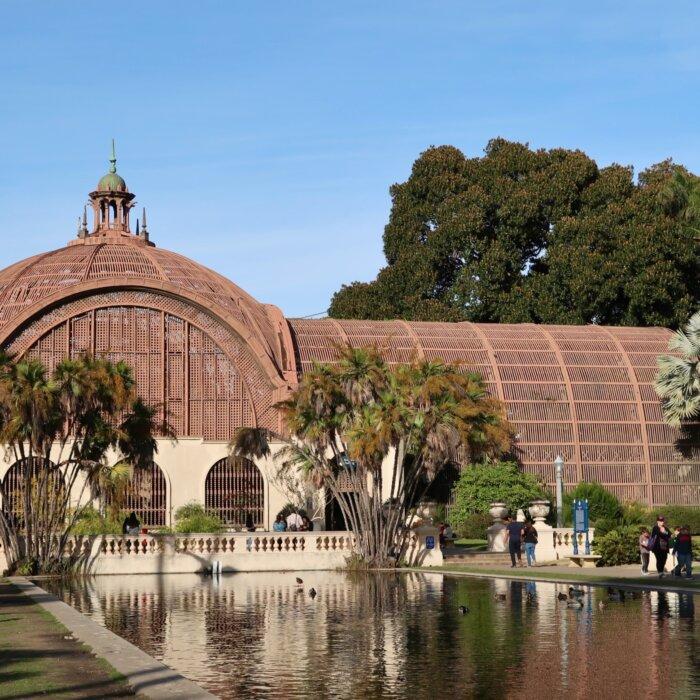
The Japanese Friendship Garden occupies 12 acres near the Spreckels Organ Pavilion in Balboa Park. It represents the friendship between San Diego and its sister city, Yokohama, Japan.Visitors are welcomed into the garden by the Tea Pavilion, a casual restaurant that serves Japanese-inspired soups, salads, sandwiches, and rice bowls alongside iced tea, sake, coffee, a variety of lattes, and more than 40 varieties of hot tea. Its open-seating tables overlook the lush landscape of the garden’s valley.
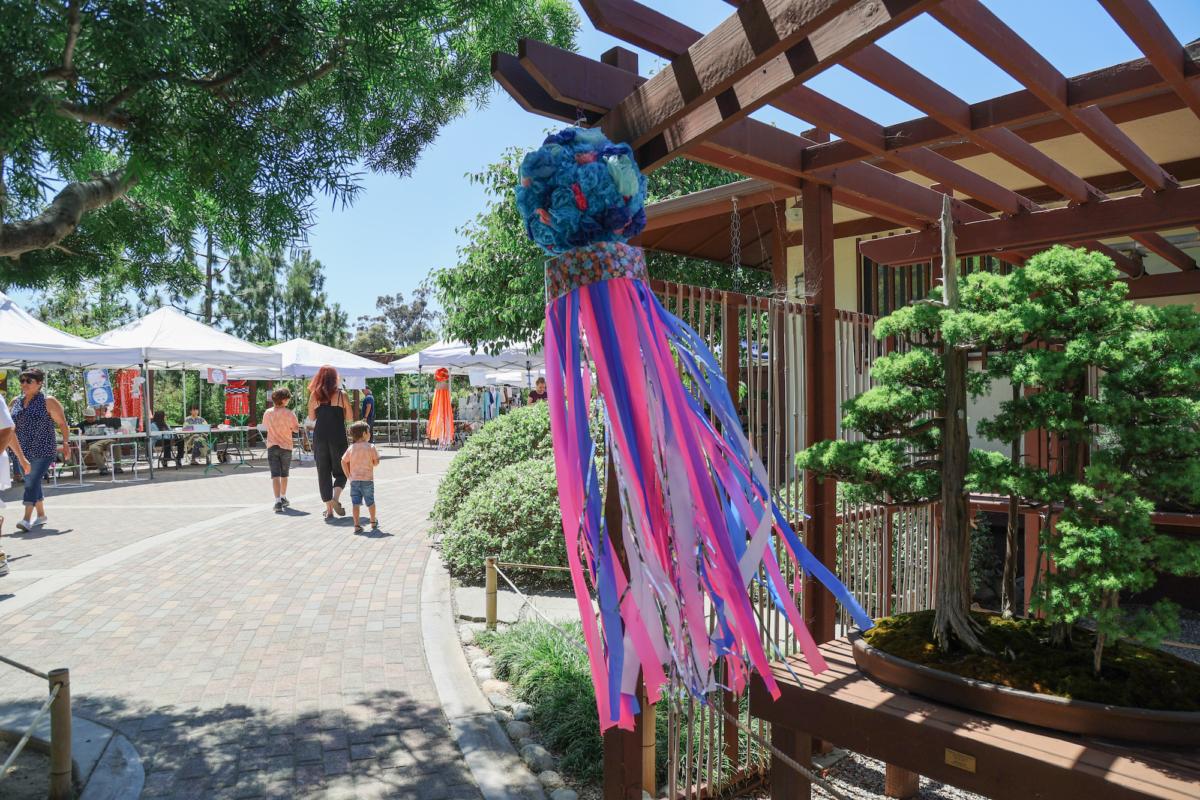
The Friendship Garden provides an odyssey for visitors, as a gently sloping dirt path wends its way past flowering trees, rock formations, waterfalls, authentic Japanese structures, statues, and peaceful wildlife such as birds and cats. In the true spirit of the Orient, the visit is not about reaching a particular destination or seeking out certain sights in the garden. Rather, it is about enjoying the tranquility as you observe the harmonious blending of California-friendly nature with Asian architecture and landscaping techniques.
The garden won’t always look the same from one visit to the next. As a natural environment, the plants’ appearances change with the seasons throughout the year (which may come as a surprise to those who insist that Southern California doesn’t have seasons). Rather than manipulating the environment to look its most vibrant year-round, the vegetation flourishes naturally with beautiful greenery between flowering seasons.
The Garden’s History
Although the Japanese Friendship Garden lists its founding date as 1991, its roots are much older. The original Panama-California Exposition featured a popular Japanese Teahouse and adjacent garden, although not in the same spot that the JFG occupies today. After the exposition, the teahouse and garden continued to operate under the care of the Asakawa family, a Japanese American family who lived there as caretakers. It was closed and dismantled in the early 1940s, no doubt because of World War II.It wasn’t until 1955 that San Diegans began making plans for a new Japanese garden in Balboa Park. This project was supported by the city of Yokohama, helping the San Diego Yokohama Sister City Society to select the JFG’s current site and acquire valuable Japanese artifacts for placement around the city.
The process of choosing the location, acquiring plants, making the plans, hiring architects and landscapers, raising the funds, and involving the community was a very long one, spanning decades. The Japanese Garden Master Plan was approved by the Department of Parks & Recreation and the city council’s Public Facilities & Recreation Committee in 1979. This original plan included five phases of construction, the first of which was to open in August 1990. It ended up opening to the public in 1991.
In 1999, the JFG closed for six months for the second phase of construction, at which point the five-phase system was discontinued. It reopened in September 1999, including many of the features there today. Since then, it has only been improved one more time, in 2015, with the Garden Improvement Project, which added several acres, some new landscaping features, and the wealth of community events that have greatly increased the number of visitors.
Visit the Garden
The Japanese Friendship Garden is open from 10 a.m. to 6 p.m. daily, with last admission at 5 p.m. General Admission is $16, while the reduced rate for students, seniors, and military is $14. Children aged 6 and younger can enter for free. You can buy tickets online in advance, but it’s just as easy to buy them at the gate, since reservations aren’t required.Occasionally, the gardens or some of the buildings there may close early or open late because of special events, but all these dates are listed on the website. Every third Tuesday of the month is Resident Free Tuesday, when San Diego residents can enjoy the JFG at no cost. The JFG offers several yearly membership options, which grant free entry to the garden year-round as well as discounts on merchandise and special events. The Balboa Park Explorers Pass also includes free admission to the JFG, as well as most other museums in the park.