The U.S. industrial property market registered its first quarterly drop in demand since 2010, underscoring mounting pressures across the broader commercial real estate market as high borrowing costs and economic uncertainty weigh on tenants and investors.
“This decline was likely driven by increasing macroeconomic uncertainty caused by unclear tariff policies and persistently high interest rates,” the report said, adding that an influx of new supply contributed to a softer second quarter.
Vacancy rose by half a percentage point to 6.7 percent in the first six months of the year as 194.6 million square feet of new space came online. Another 466 million square feet is still under construction, which could push vacancies higher before demand catches up.
NAIOP expects heightened uncertainty to persist through the rest of 2025—possibly longer—dampening leasing activity. The group now forecasts just 2.8 million square feet of positive demand for the second half of the year, before an eventual rebound.
Broader CRE Pressures
The cooling in industrial property comes as commercial real estate overall adjusts to slower growth. JPMorgan analysts said in July that multifamily and retail remain resilient, with apartments in major metros continuing to draw demand and grocery-anchored shopping centers performing well. But industrial, they noted, has “started to normalize” after pandemic-era highs, with rent increases and new construction slowing.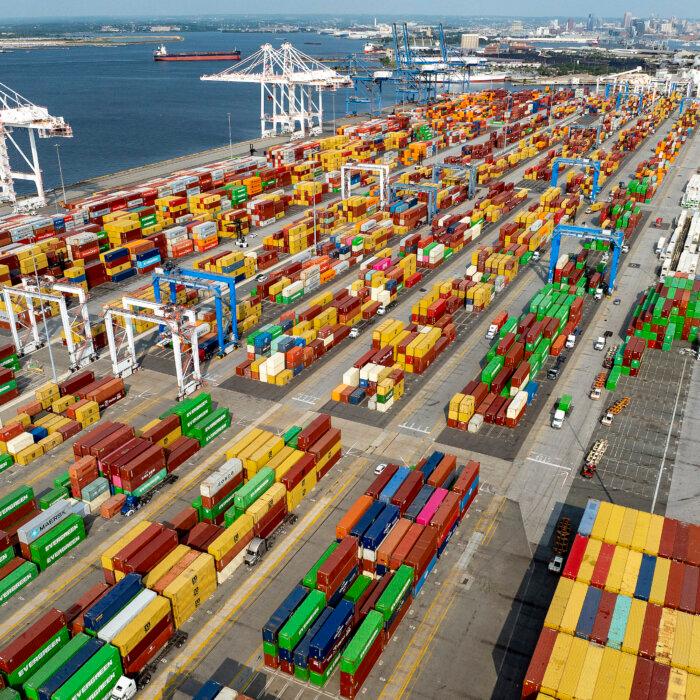
“While warehouses and distribution centers remain critical to industrial’s success, cold storage and industrial outdoor storage could present investment opportunities,” the analysts said. “In the coming months, uncertainty around tariffs and trade, as well as nearshoring efforts, could have a major influence on the asset class.”
Beyond some softening in industrial real estate, office is the sector facing the most severe strain. JPMorgan cited record-high office vacancies of 20.4 percent in the first quarter, particularly acute in markets such as San Francisco, though New York’s Midtown has largely returned to pre-pandemic rent levels.
“Economic uncertainty and potentially higher materials costs due to tariffs could limit construction completions” of industrial properties through 2027, the firm added, a dynamic that could help contain vacancy rates during a period of softer demand.
Despite the near-term gloom, analysts see reasons for longer-term optimism. NAIOP projects a sharp recovery in industrial demand beginning in 2026, CBRE expects renewed rent growth by late 2025 as tenants recalibrate, and JPMorgan points to enduring demand in multifamily and retail.