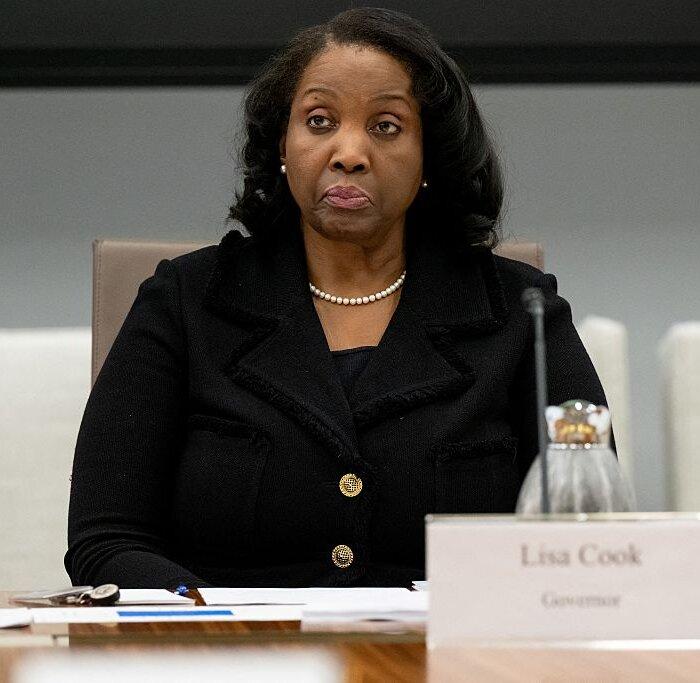
Federal Reserve Board member Lisa Cook plans to sue over President Donald Trump’s decision to fire her, an attorney for Cook said on Aug. 26.
“President Trump has no authority to remove Federal Reserve Governor Lisa Cook,” attorney Abbe Lowell said in a statement provided to The Epoch Times. “We will be filing a lawsuit challenging this illegal action.”
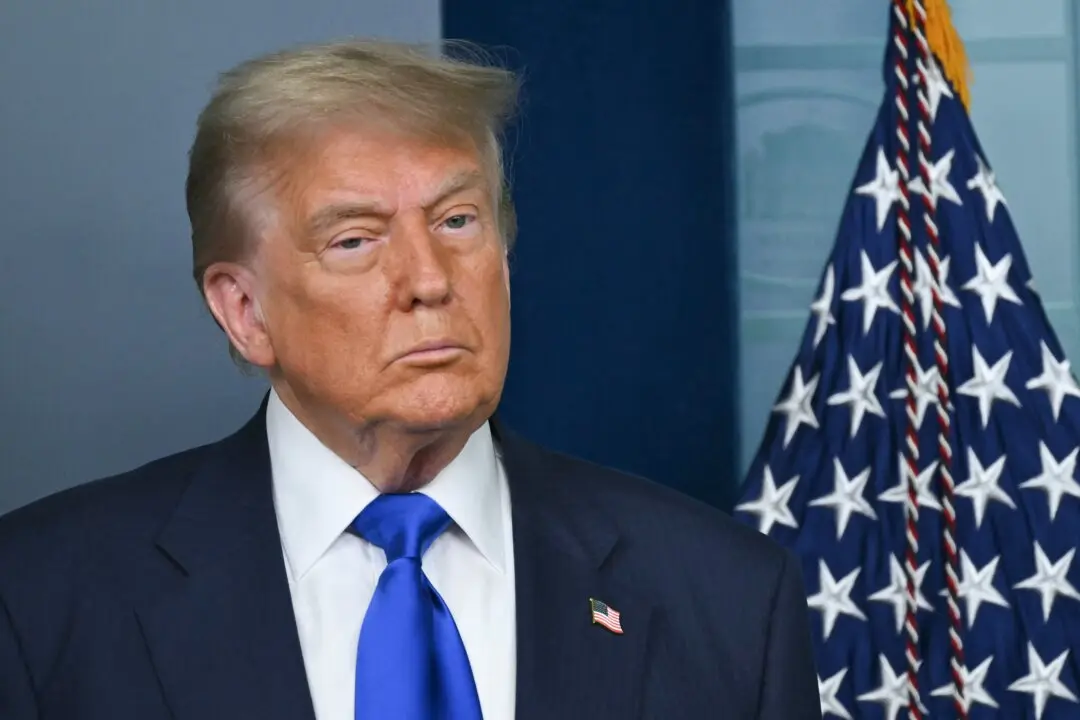
“It is inconceivable that you were not aware of your first commitment when making the second,” Trump wrote. “It is impossible that you intended to honor both.”
He added that her alleged conduct “exhibits the sort of gross negligence in financial transactions that calls into question your competence and trustworthiness as a financial regulator.”
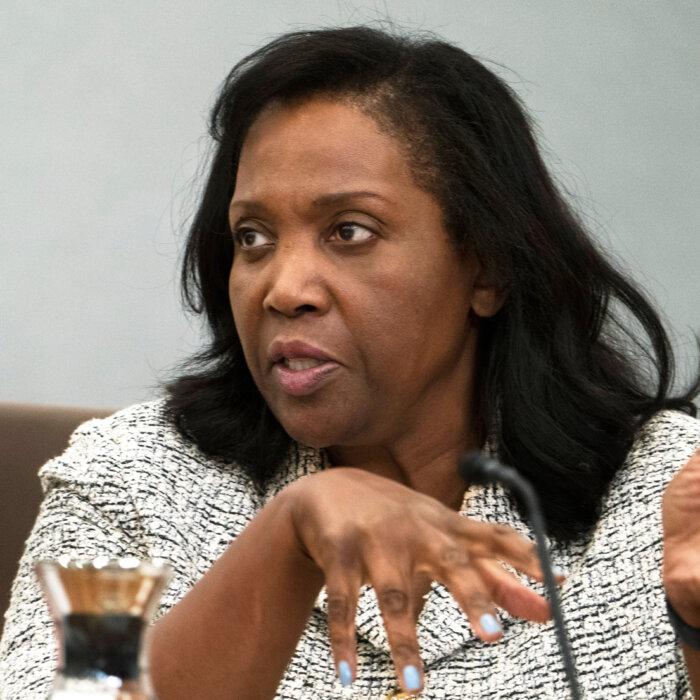
During an Aug. 26 Cabinet meeting at the White House, Trump responded to news of the forthcoming lawsuit.
“She seems to have had an infraction, and she can’t have an infraction—especially that infraction, because she’s in charge of, if you think about it, mortgages, and we need people that are 100 percent aboveboard,” he said. “And it doesn’t seem like she was.”
Both Trump and the Federal Reserve said they would abide by court orders.
“As always, the Federal Reserve will abide by any court decision,” a Federal Reserve spokesperson said in a statement to The Epoch Times.
Cook’s attorney said Trump’s “attempt to fire her, based solely on a referral letter, lacks any factual or legal basis.”
His comments echoed other lawsuits in which bureaucrats alleged that the White House had failed to lay out sufficient reasons for firing them.
The Federal Reserve spokesperson said that “Congress, through the Federal Reserve Act, directs that governors serve in long, fixed terms and may be removed by the president only ‘for cause.’”
“Long tenures and removal protections for governors serve as a vital safeguard, ensuring that monetary policy decisions are based on data, economic analysis, and the long-term interests of the American people,” the spokesperson said.
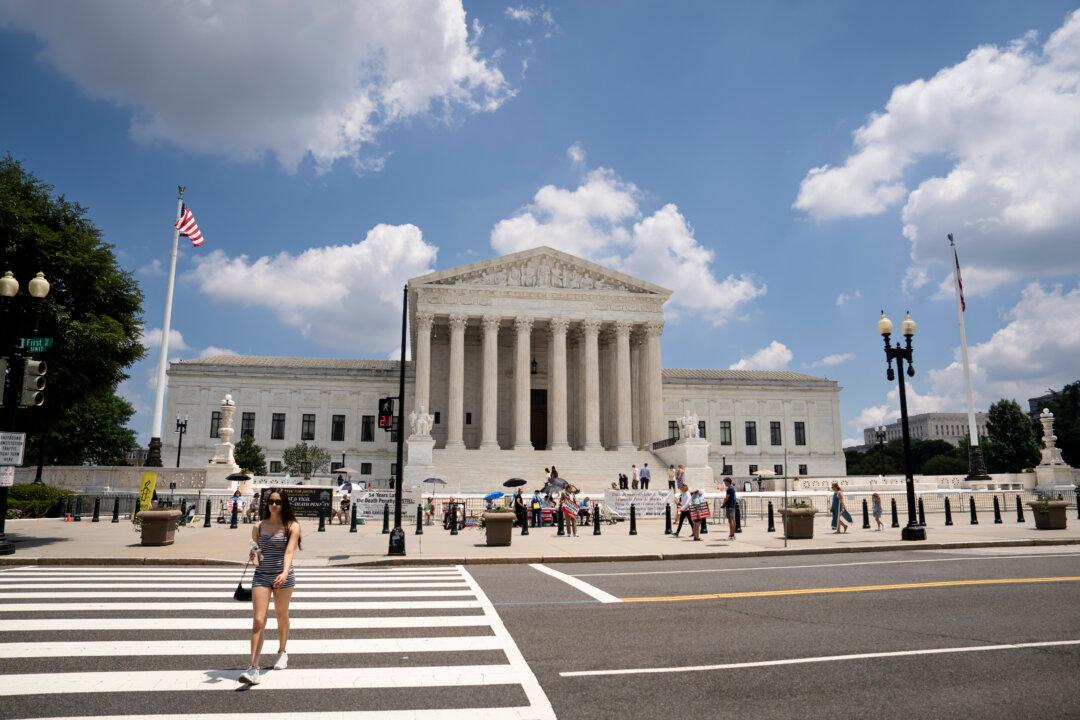
That decision from the Supreme Court was relatively limited and did not delve into the more complex legal issues involved. If the Supreme Court takes up the issue at a later date, it could reconsider some of its precedents on executive power and to what degree Congress can shield agency heads.
One of the key legal issues in these disputes is determining how much executive power a particular official exercises. In May, the Supreme Court didn’t offer a final ruling but said in an unsigned order that it thought Trump was likely to succeed in the dispute because the president likely has authority over the two labor boards based on their exercise of executive functions.
However, part of the Supreme Court’s decision indicated it thought the Federal Reserve received different legal protections than the labor boards.