“Carmen” by Georges Bizet contains some of the most recognizable melodies, not just in opera but in all classical music. This isn’t surprising, since the melodies are so strong that they sound just as dramatic in orchestral arrangements as with the vocal lines. Thus, it’s no wonder that this opera has inspired several different ballets.
Bizet based the story of his opera on a French novella from 1845. The composer arranged his memorable themes as two separate suites, which have been highly popular ever since. It is these suites that have provided the music for the many ballets.
There is no single standard for this ballet’s choreography. There are at least five mainstream versions from renowned choreographers, while countless other companies and choreographers have written their own versions. These ballets often use different composers’ arrangements of the music, which weave the melodies together while utilizing different instrumentation.
A Dramatic Story
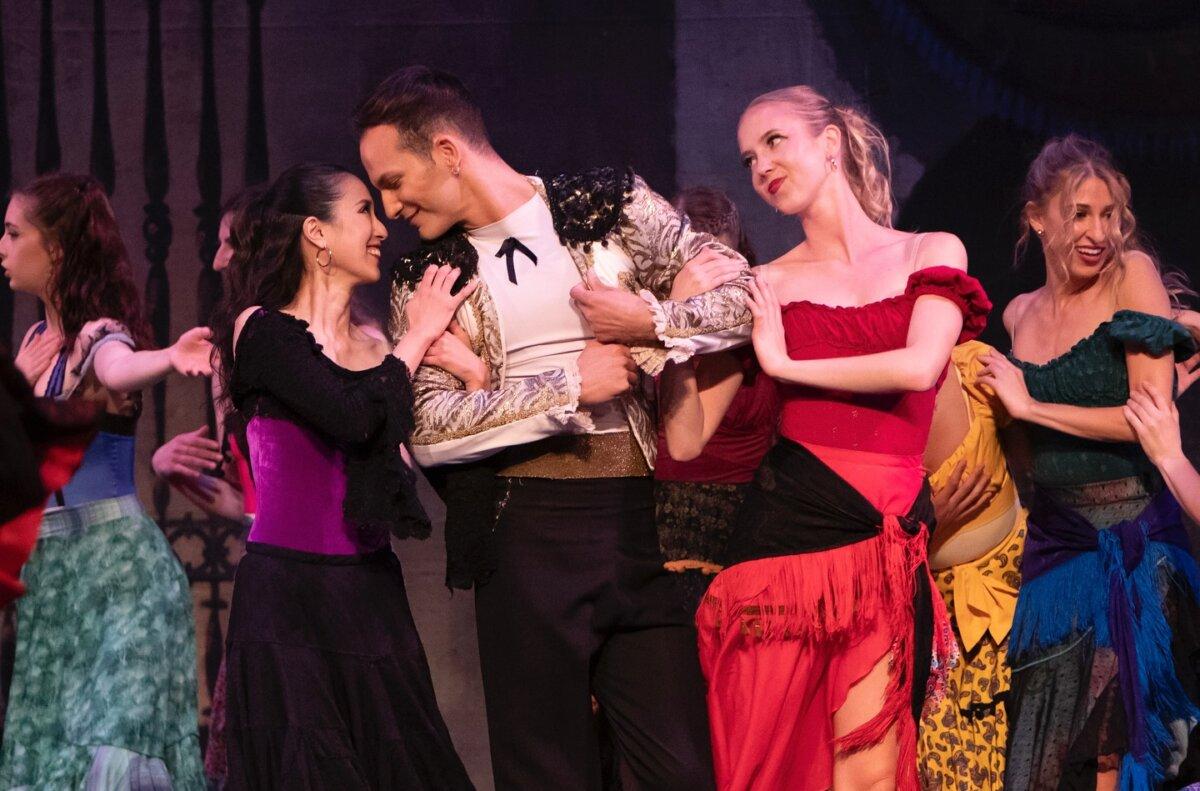
Elizabeth Wistrich’s “Carmen” follows the plot of the opera quite closely, condensing the sprawling four acts of singing into a tight hour of drama. It begins as Spanish cigarette girls are taking a break from their factory work to flirt with soldiers in the courtyard. The one man who is all about business is Don Jose, a sergeant. A fight breaks out between two girls over one man, and the fiery gypsy Carmen cuts her opponent’s face. Don Jose arrests her, yet she entices him into releasing her. He later accepts her invitation to meet at a tavern, where she and her gypsy friends dance wildly. That night, Carmen and her fellow smugglers persuade Don Jose to join their band.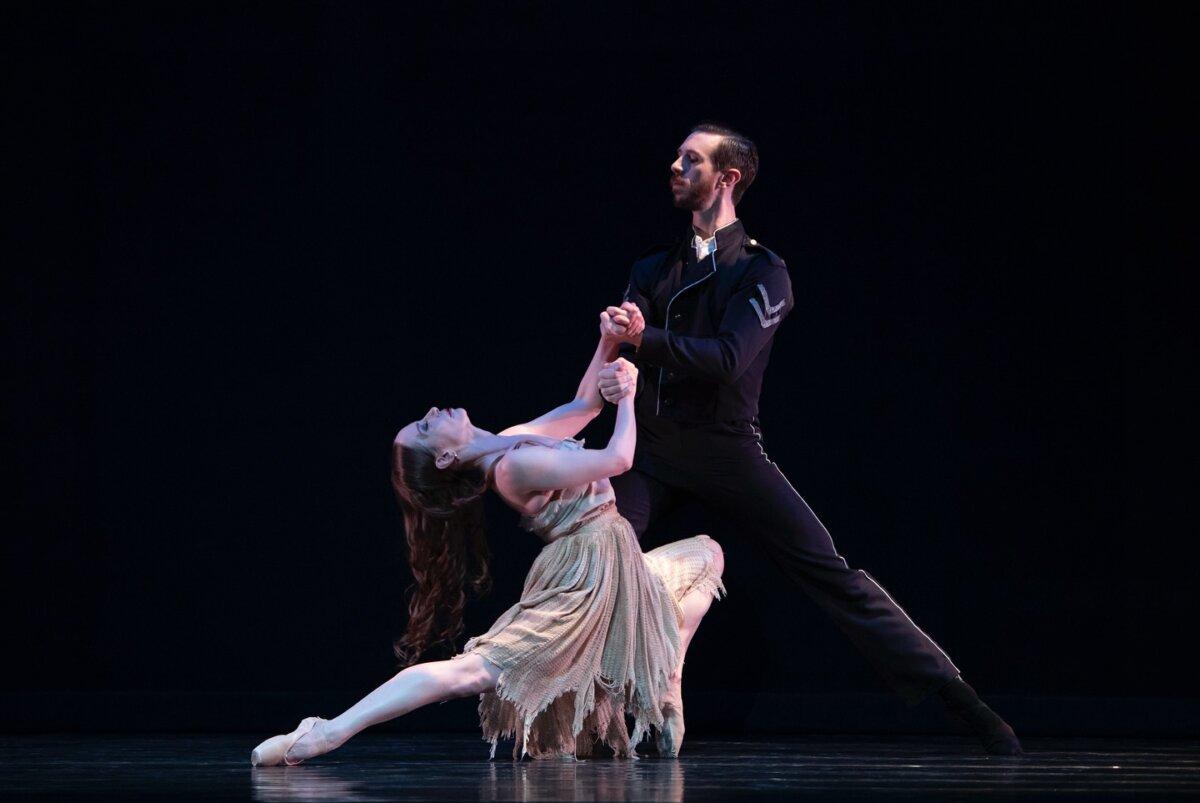
Passion Through Dance
When performed in its entirety, the opera of “Carmen” is at least two and a half hours long. Remarkably, this ballet managed to tell the whole story in around an hour. This is a testament to the precision of Wistrich’s storytelling and the dynamic power of dance. Using the strong symbolism of movement instead of the nuanced meaning of words, a 15-minute ensemble could be represented by a 2-minute dance. Although the soaring vocal lines of this spell-binding score are a goal for every opera singer, it’s not the lyrics that make this opera so beloved. It’s the unforgettable melodies, which have found their way into commercials, film soundtracks, countless parodies, and viral social media audio clips.City Ballet of San Diego is known for its devotion to George Balanchine’s choreography and balletic discipline. Known as the father of American ballet, this Russian-American choreographer is responsible for bringing the European art form to the United States in the mid-20th century and establishing the Old-World tradition in the New World in a new way. He created 465 ballets during his 62-year career, and these works are preserved and taught to new generations of dancers by the George Balanchine Trust. City Ballet programs Balanchine repertoire in every season, often on double bills with original pieces by one of the company’s resident choreographers.

A Tasteful Interpretation
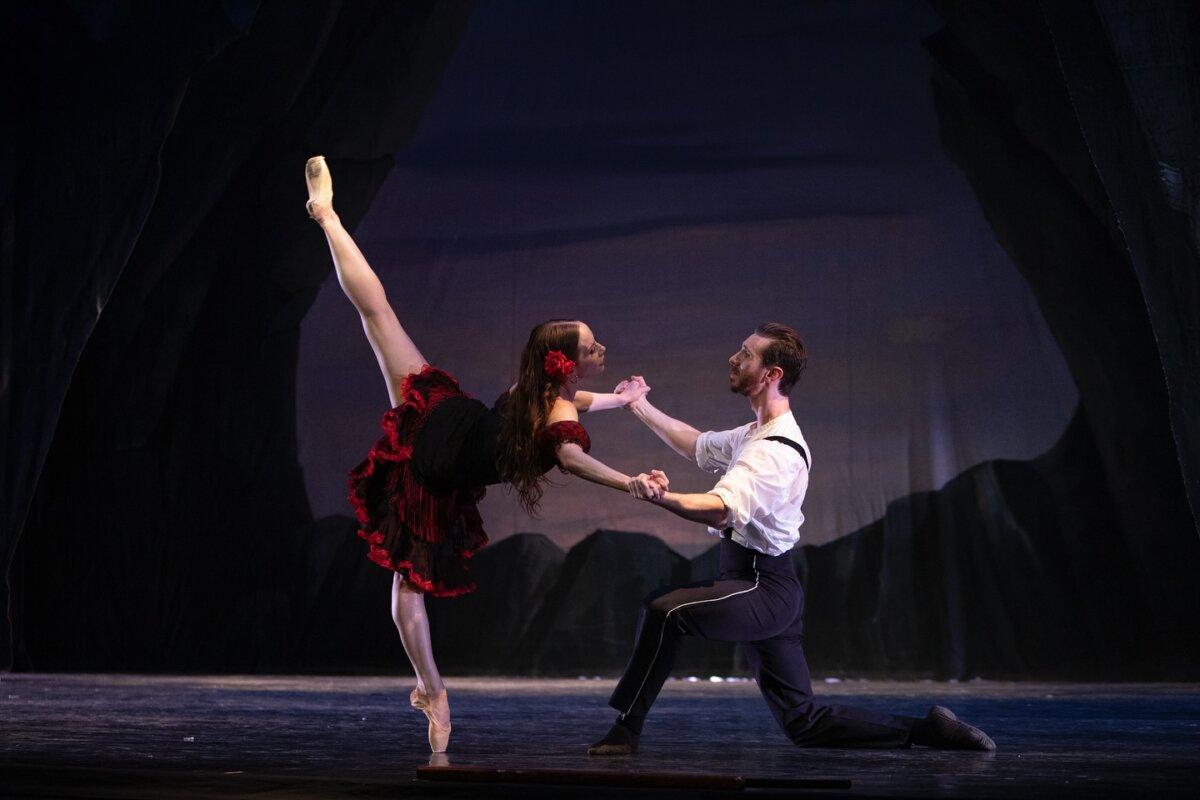
Any interpretation of “Carmen” presents difficulties from a moral standpoint, since it offers ample opportunity for suggestive choreography, revealing costumes, and inappropriate characterizations. Ballet takes on the story are particularly likely to be risqué, since it’s much easier to make a ballerina be a convincing temptress than many opera singers. I was pleasantly surprised by the restraint that this version showed. The costumes were sufficiently covering, and the choreography avoided the baser element. The dancing maintained an air of classical refinement while incorporating Spanish and Gypsy folk flair.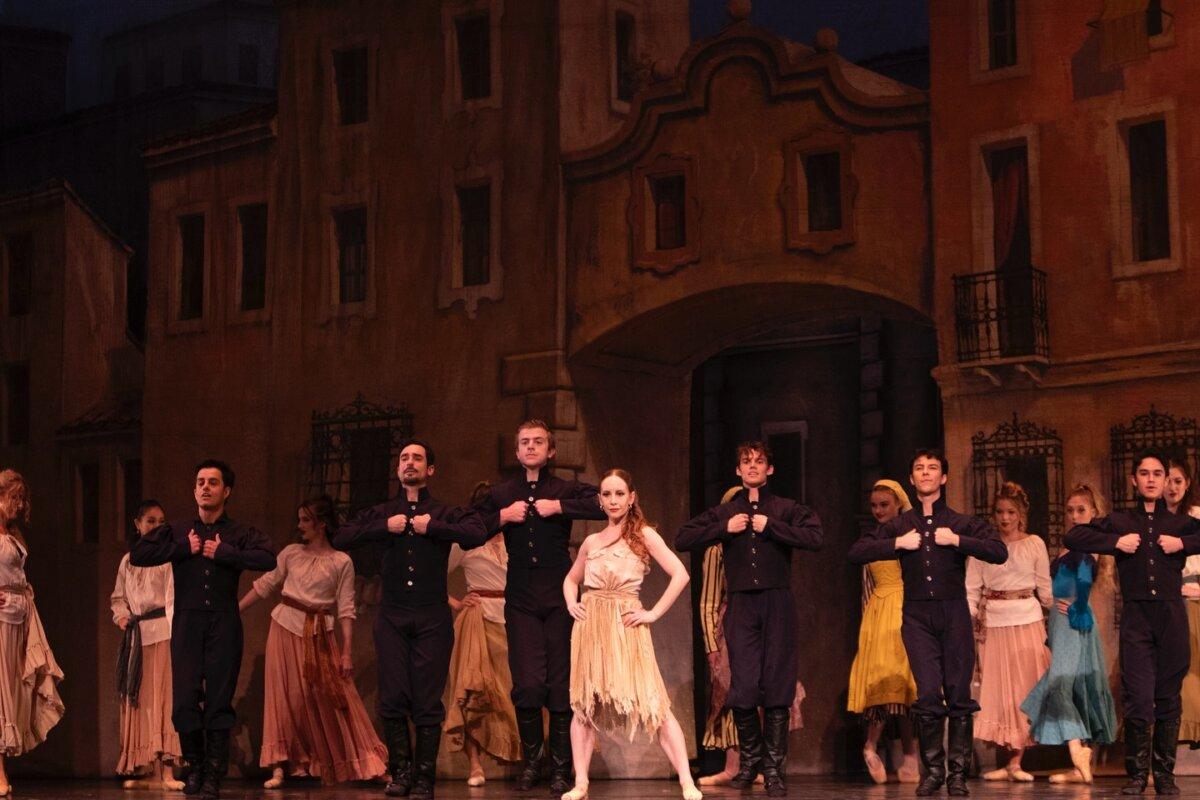
The sets were beautiful and impressively three-dimensional, something which is becoming increasingly rare in theater these days. The use of real set pieces and layered backdrops brought the magic of Seville to life onstage. The costumes were very vibrant and delightfully mismatched, a touch of realism which is rarely achieved or even attempted in ballet.
The City Ballet Orchestra, under the baton of its founder and resident conductor John Nettles, provided live music for this performance, as with two of the company’s four shows each year. This is the best I’ve ever heard them sound, bringing the dramatic score to life with accuracy and impact.