A Republican senator whose vote is essential to President Donald Trump’s attorney general pick said on July 16 that the nominee complied with his demand to meet with accusers of sex offender Jeffrey Epstein.
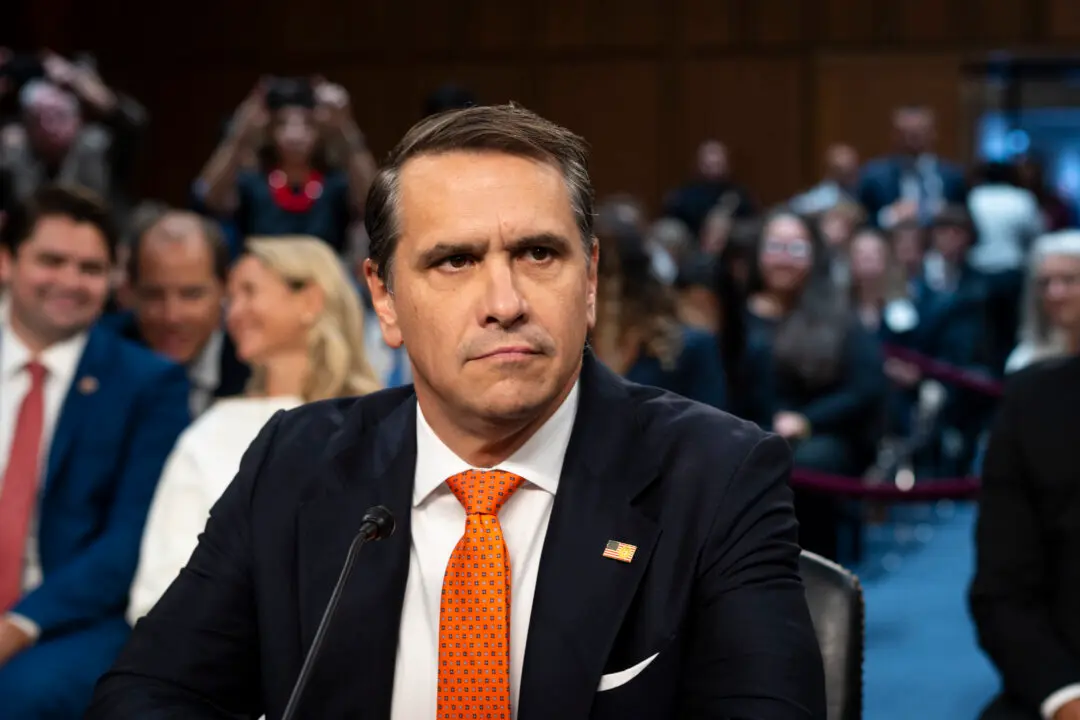
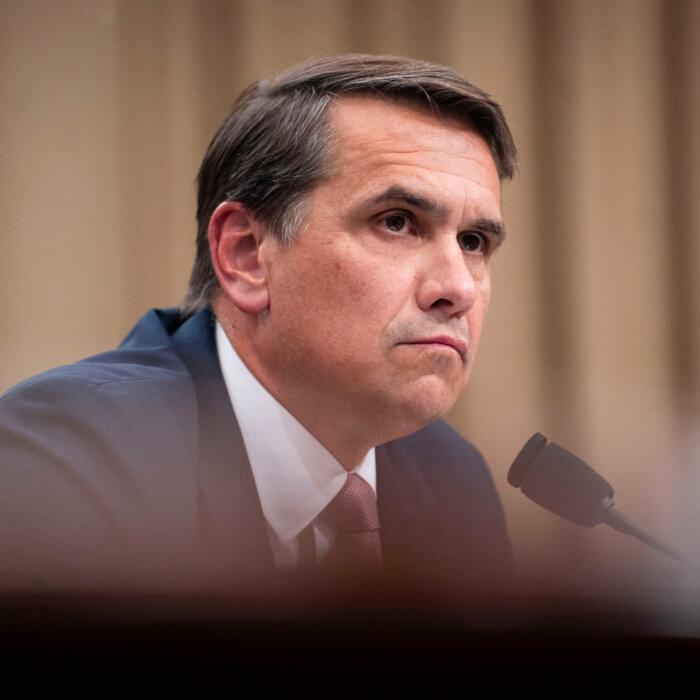
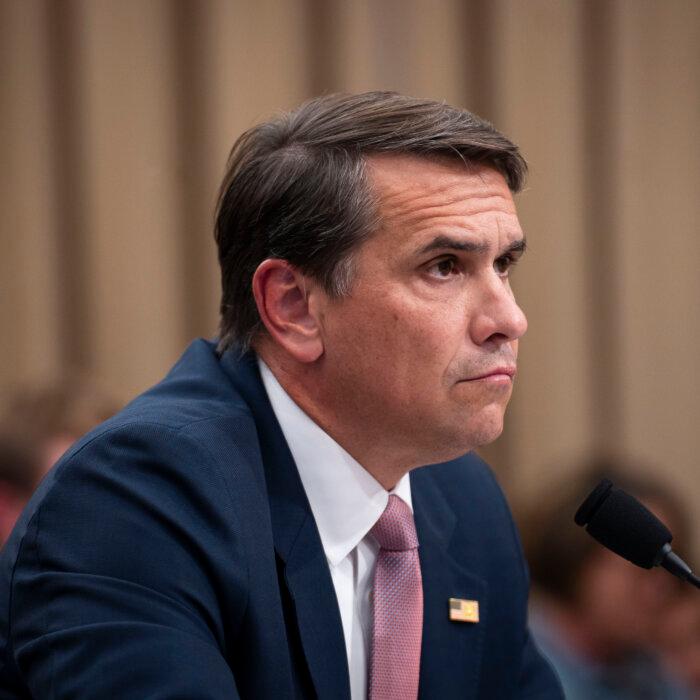
Sen. Thom Tillis (R-N.C.) made that request during the second day of acting Attorney General Todd Blanche’s confirmation hearing in Washington.
“I commend Todd Blanche for doing what all his predecessors over the last two decades never did: meet with the victims of [Jeffrey] Epstein’s horrific crimes. I appreciate his willingness to directly engage and listen to them,” Tillis wrote on X.
He did not reveal whether he had decided to vote for Blanche, and he revealed no further information about the meeting.
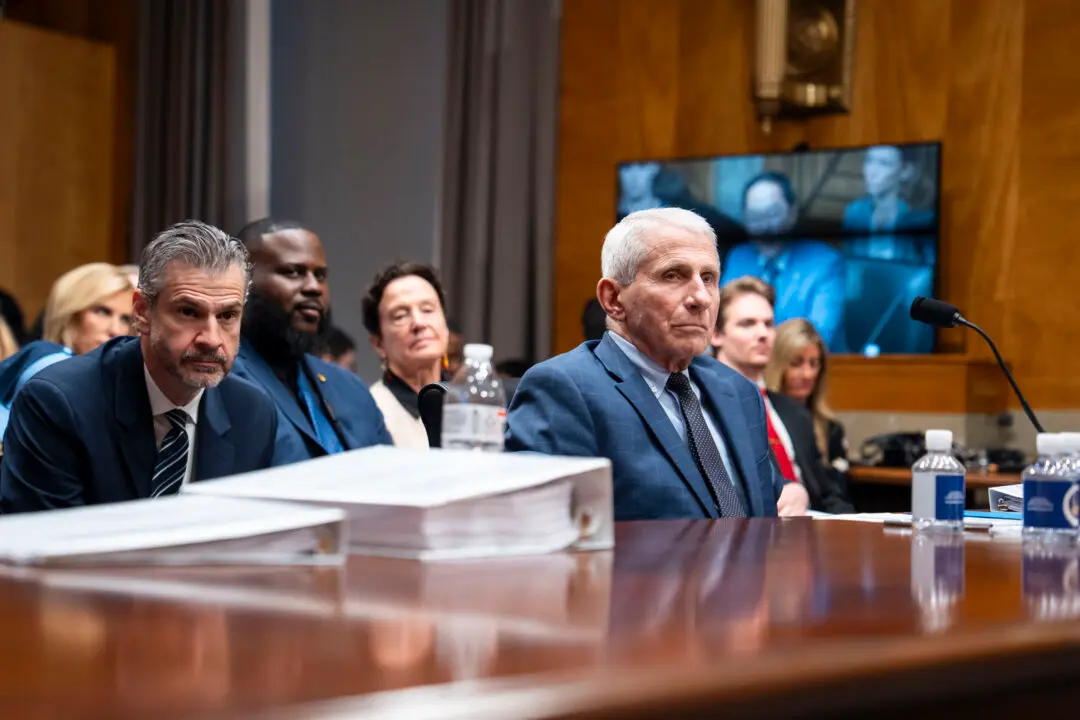
Epstein accuser Dani Bensky gave tearful testimony Thursday, calling for further investigation that could lead to additional prosecutable offenders.
Afterward, the North Carolina senator gave Blanche two weeks to set a meeting with the accusers. Sen. John Cornyn (R-Texas) has also said he had not yet decided whether to vote for Blanche.
Both Tillis and Cornyn will be leaving office when their terms end in January 2027.
All 11 Republicans on the Senate Judiciary Committee must vote in favor of Blanche, unless a Democrat crosses over and supports him. The July 11 death of Sen. Lindsey Graham (R-S.C.) left Republicans with a one-seat majority over the committee’s 10 Democrats.
Presidential Cabinet nominations rarely fail. Since 1801, only two nominees for attorney general withdrew, and only one such nomination was outright rejected, Senate records show.
If the committee does approve Blanche, his nomination goes to the full Senate. There, near-unanimous support of Republicans will also be needed. The GOP holds 53 of the Senate’s 100 seats; 51 votes, or 50 votes and a tie-breaking vote by Vice President JD Vance, would confirm Blanche as the nation’s 88th attorney general.
During Thursday’s hearing on Blanche’s nomination, Sen. Dick Durbin (D-Ill.), the committee’s ranking member, said to Bensky that Blanche’s name should not be “called on the floor of the United States Senate until he meets with you.”
Thursday’s hearing did not include testimony from Blanche. But on Wednesday, he testified that career prosecutors in the FBI and Justice Department found no evidence of other men engaging in illegal acts with Epstein’s victims.
“That does not mean it didn’t happen,” Blanche said, adding that if anyone has information, “I beg them to come forward.”
Bensky said: “There are numerous investigative leads that must be followed, despite Mr. Blanche’s claim that there are none.”
“Epstein and Maxwell did not abuse women and children alone; they did not build their operation alone,” she said. “Others enabled these crimes, exploited victims, and avoided accountability for decades.”
Sen. Mazie Hirono (D-Hawaii) noted that Blanche had stated he would have a staff member contact people who allege they are Epstein victims. Bensky replied that she had not heard from anyone in Blanche’s office.
Under questioning from Sen. Katie Britt (R-Ala.), Bensky acknowledged that Epstein accusers had met with no attorneys general from prior administrations.
However, Bensky said she did not feel comfortable going public until September of last year, after she and other women claiming Epstein abuse had formed a “sisterhood.”
Earlier in her testimony, Bensky alleged that the Justice Department had “re-victimized” her and other accusers when their identities and/or images were revealed in publicly released documents.
On Wednesday—and earlier this year—Blanche acknowledged that the DOJ erred by failing to conceal that information in a small percentage of the released records. He said the Department immediately removed those records from public internet access and blacked-out the information.
Vance recently told podcaster Joe Rogan that the Trump administration mishandled its public communication about the Epstein files. However, he said there was no intent to “hide something” by doing so.
Last year, Congress passed the Epstein Files Transparency Act. It required the administration to release millions of pages of records tied to the Epstein and Maxwell cases.
In April, Blanche told Fox News that everything relevant has been released, except for redactions to protect victims or otherwise required by law. “We reviewed 6 million pieces of paper ... we’re not holding onto a single piece of paper” related to Epstein, he said.
Further, Blanche said any member of Congress who asks to see unredacted Epstein records would be granted that access.