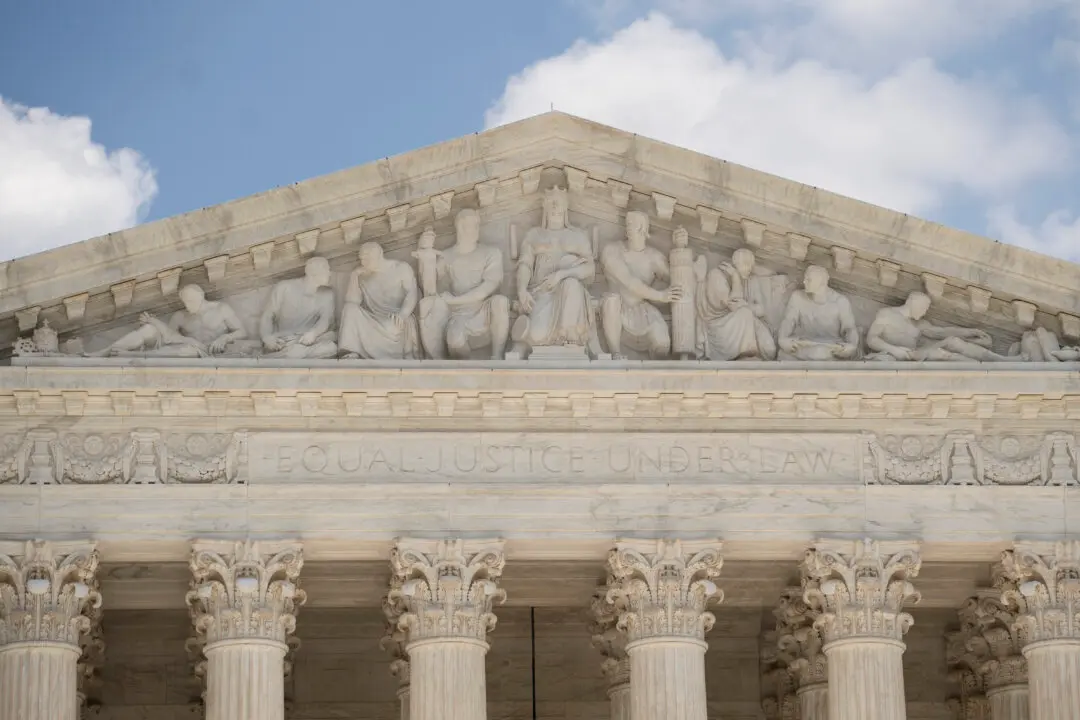
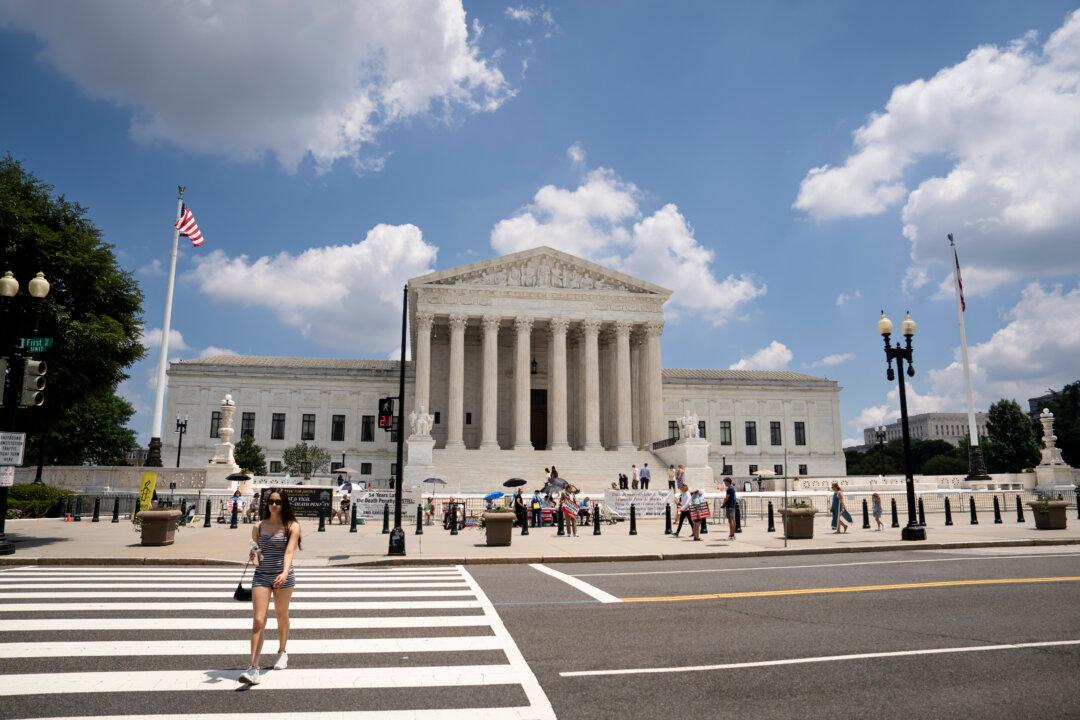
The Supreme Court has already released major decisions for the 2024–2025 term, but some of its most consequential could still be in the making.
So far, the justices have ruled on religious liberty, gender-related issues, environmental policy, and a case with a large impact on the vaping industry. Yet, more opinions are coming—ones that, among other things, could help determine parents’ rights, funding for abortion organizations, and whether and how much lower court judges can block presidents’ agendas.
Birthright Citizenship and Nationwide Injunctions
From President Donald Trump’s first term to his second, presidents have encountered a spike in judges’ orders that block presidents’ agendas on a nationwide basis. These nationwide injunctions have provoked concerns about the nation’s separation of powers and whether the judiciary is being gamed by political activists.Three of these injunctions have targeted Trump’s attempt to limit birthright citizenship, which is a major portion of his immigration agenda. While the justices could weigh in on the constitutionality of Trump’s order, they will likely focus, at this point in litigation, on whether judges are exceeding their authority with such orders.
U.S. Solicitor General D. John Sauer told the justices in May that nationwide injunctions exceeded the power granted to judges under Article III of the Constitution. That article allows the federal judiciary to hear “cases” and “controversies,” a provision that some say means that judges’ orders should affect only the parties before them in court.
Sex and Gender in Schools
The court is expected to weigh in soon in Mahmoud v. Taylor. The case is about whether schools should be able to require children’s participation involving storybooks with controversial content about sexuality and gender.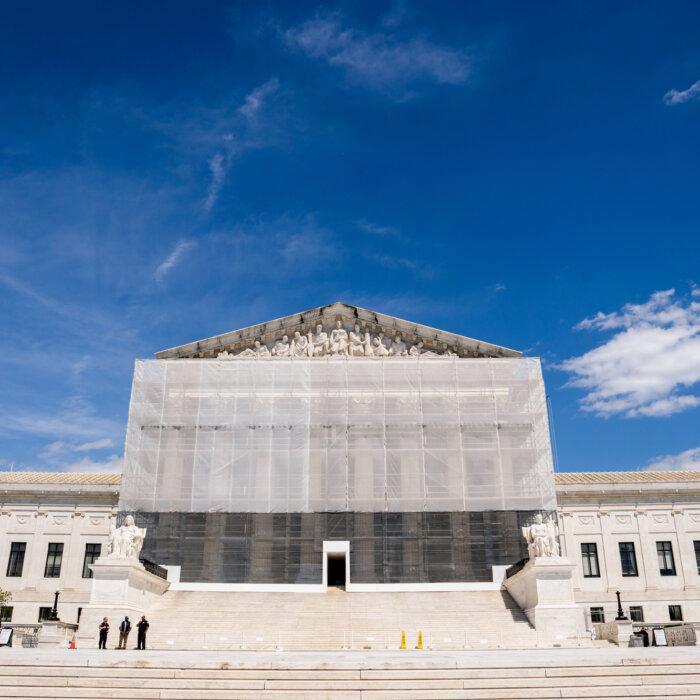
A group of Christian and Muslim parents sued Montgomery County Public Schools in Maryland, alleging that requiring their kids to hear storybooks without an opt-out on these topics burdened their parents’ exercise of religion under the First Amendment.
Age Verification for Porn Websites
Amid an explosion of online pornography, states have attempted to intervene to prevent health-related harms to young people. One such law from Texas has offered the justices an opportunity to analyze how regulations on pornography may or may not conflict with the First Amendment.The Texas law requires pornographic websites to verify the age of their users. A porn industry group, known as the Free Speech Coalition, alleged that the requirement was too broad and therefore violated the First Amendment.
The coalition initially won in district court, but the U.S. Court of Appeals for the Fifth Circuit allowed Texas’s age verification requirement to proceed. It said the requirement was rationally related to the state’s interest in protecting minors from pornography.
Planned Parenthood and State Medicaid Funds
Planned Parenthood and abortion are back at the Supreme Court. But this time, the case focuses on how much money the abortion provider gets through Medicaid.In 2018, South Carolina’s government decided that abortion clinics enrolled in the program were unqualified to provide family planning services and shouldn’t receive funding.
Obamacare Panel on Preventive Measures
A separate, health-related case focuses on a panel set up under Obamacare, otherwise known as the Affordable Care Act, to recommend preventive care for insurance to cover. The legal issue the Supreme Court is reviewing is less about particular recommendations and more about the structure of the Preventive Services Task Force.A company known as Braidwood Management sued, alleging that the task force’s members had to be appointed by the president. They cited a provision of the Constitution known as the Appointments Clause.
When the case, which was initiated during the first Trump administration, reached a federal appeals court, Braidwood won on that point. The Supreme Court reviewed the issue after the Biden administration asked it to intervene. The current Trump administration continued the legal defense of the task force.