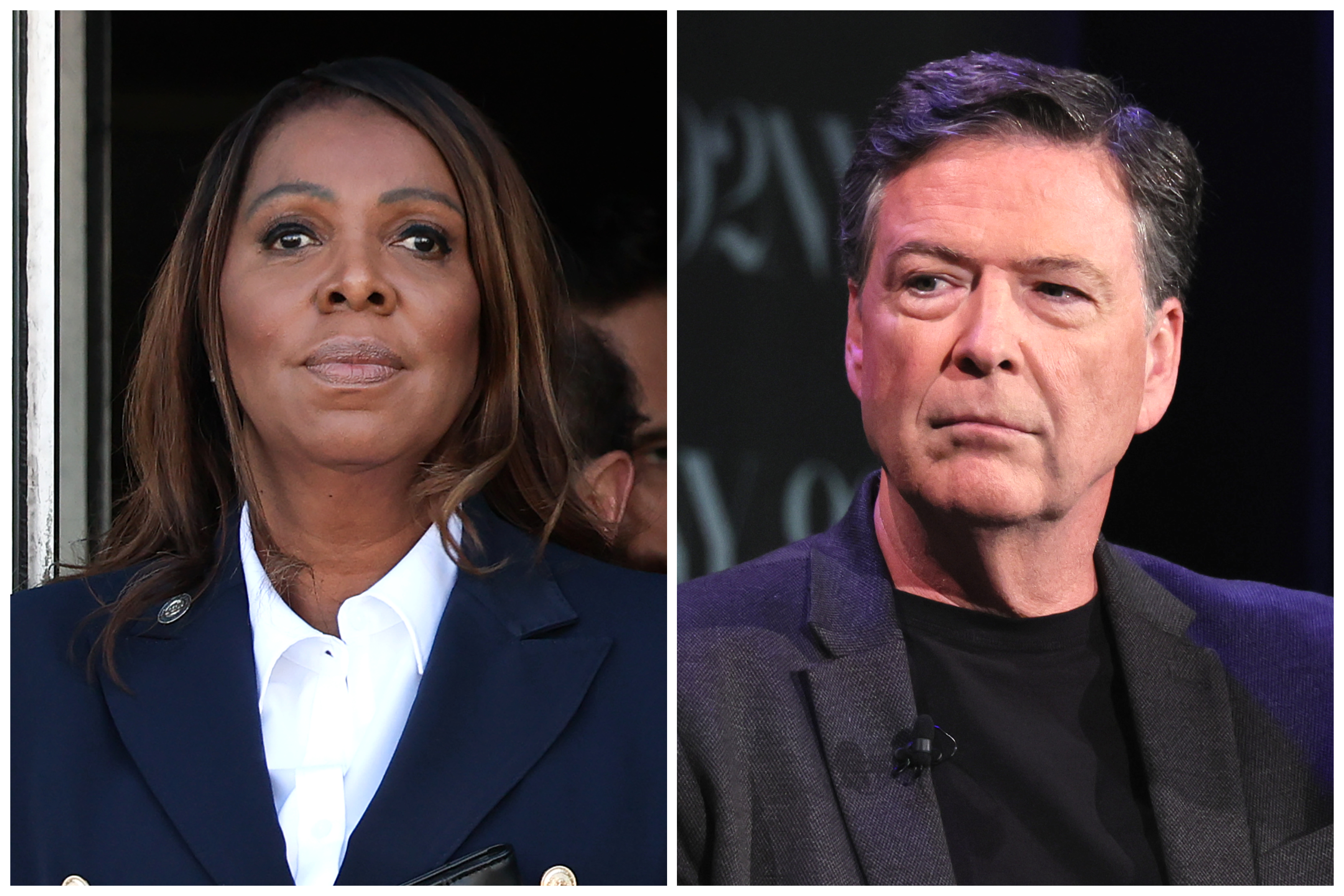

In an opinion on Nov. 24, U.S. District Judge Cameron McGowan Currie said the Justice Department unlawfully appointed Lindsey Halligan, who brought both cases, as the interim U.S. Attorney for the Eastern District of Virginia.
1. Judge Says 120-Day Limit Exists for Attorney Appointments
Currie’s decisions centered on a law Congress passed governing how the Justice Department could fill vacant U.S. attorney spots. Under 28 U.S.C. Section 546, federal law allows interim attorneys to serve for 120 days, further providing that district courts “may appoint” a U.S. attorney to fill vacancies at the end of that timeframe if the Senate hasn’t already appointed a replacement.The Justice Department had argued the law didn’t confine the attorney general to an initial 120 days for appointing prosecutors. Rather, the department stated, the law allowed for successive appointments of attorneys who would each have 120-day limits on their time in office.
Currie disagreed and said on Nov. 24 that the U.S. District Court for the Eastern District of Virginia had the power to appoint a replacement for Erik Siebert, Halligan’s predecessor.
“In sum, the text, structure, and history of section 546 point to one conclusion: the Attorney General’s authority to appoint an interim U.S. Attorney lasts for a total of 120 days from the date she first invokes section 546 after the departure of a Senate-confirmed U.S. Attorney,” she said.


2. Dismissed ‘Without Prejudice’
While Currie granted Comey’s and James’s requests to dismiss their cases, she did so without prejudice. That typically means that the indictments can be replaced with new ones if brought under the right circumstances.Former federal prosecutor Neama Rahmani told The Epoch Times that the Justice Department could easily bring a new case against James, but that Comey’s case was over, pending appeal. Halligan had sought Comey’s indictment just days before the statute of limitations expired in his case, meaning that the administration’s limited timeframe for indicting has likely passed.
The indictment focused on statements Comey made to Congress on Sept. 30, 2020, and cited a federal law that has a five-year statute of limitations. If an indictment is brought before the statute of limitations expires, it “tolls” or stops the clock on the charges.
3. Judge Says Bondi’s Ratification Too Late
The Justice Department did not respond to The Epoch Times’ request for comment before publication, but a top official remained hopeful following Currie’s ruling.On social media, U.S. Assistant Attorney General for the Civil Rights Division Harmeet Dhillon emphasized the nature of the ruling.
That law specifies that it doesn’t allow a new indictment to be filed “where the reason for the dismissal was the failure to file the indictment or information within the period prescribed by the applicable statute of limitations.”
Although Currie’s opinion focused on the validity of Halligan’s appointment, she also stated that the indictment itself was still pending as of Oct. 31. That’s the day that Bondi identified in a declaration as the day she had ratified the indictment.
4. Appeal Coming
White House press secretary Karoline Leavitt said on Nov. 24 that the administration would appeal the decisions, which could prompt a higher court ruling on Section 546 or attorney appointments more generally.Currie’s decisions were relatively limited in their impact as they applied only to Comey’s and James’s cases.
Currie said that regardless of Bondi’s Oct. 31 appointment, Halligan was not a valid Justice Department attorney when she sought the indictments against Comey and James.
5. Long Road Ahead
Assuming the Justice Department wins its appeal, which could take months, it’s expected to face additional hurdles before bringing either Comey or James to trial.Both defendants have brought motions to dismiss based on the idea that the Justice Department was vindictively targeting President Donald Trump’s political enemies.
Before Comey’s case was dismissed, a magistrate judge had also ordered the disclosure of grand jury materials to the defense. Acknowledging the order was “extraordinary,” U.S. Magistrate Judge William Fitzpatrick said it was necessary to protect Comey’s rights and that the government engaged in “a disturbing pattern of profound investigative missteps.”
That order has been temporarily stayed by another federal judge overseeing the case.