WASHINGTON—As China has risen in military and economic power, Taiwan has been afflicted with more international isolation and pressures from the China regime, which regards Taiwan as a breakaway province. The best way to engage China while deterring aggression is a topic vitally important for Taiwan’s 23 million people. Two competing visions will be offered in Taiwan’s January 2012 election—the current president Ma Ying-Jeou from the Kuomintang (KMT) Party, and presidential candidate Tsai Ing-wen, who is chairperson of the Democratic Progressive Party (DPP).
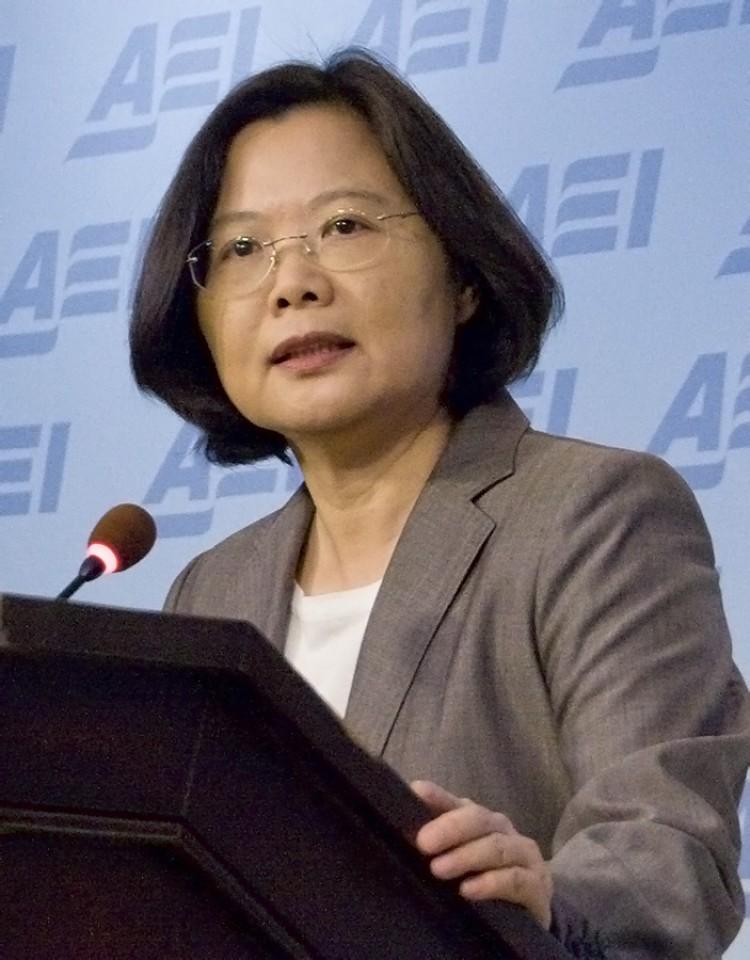
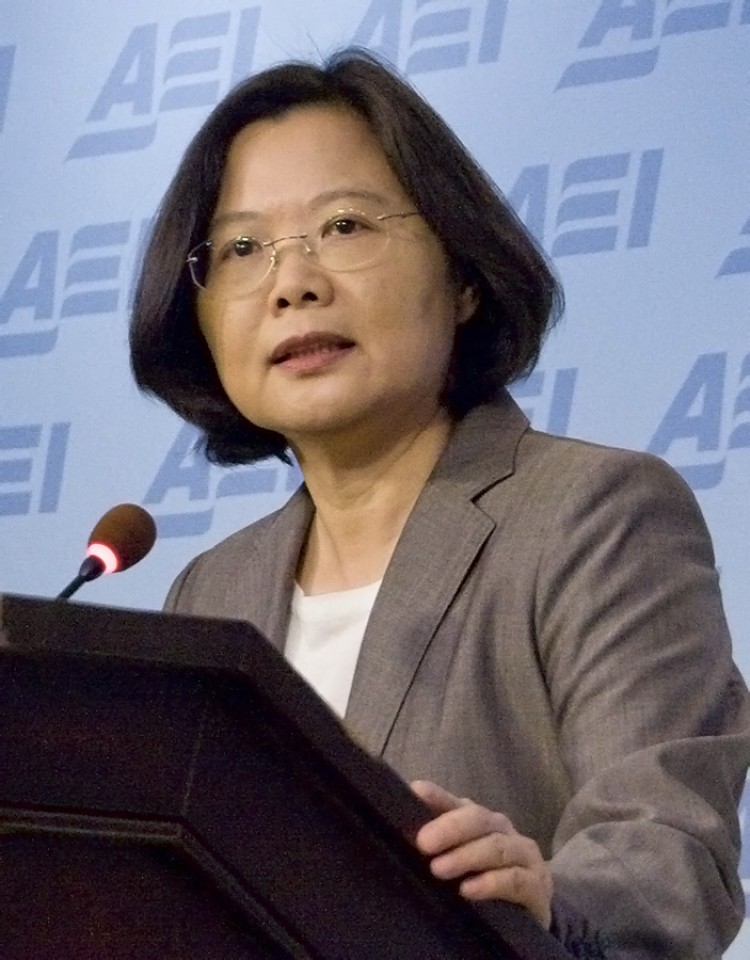
Dr. Tsai, 56, laid out her priorities for Taiwan’s future in a speech delivered at the American Enterprise Institute, Sept. 13. She also spoke about the rebuilding of the DPP following the losses the party incurred in 2008.
The DPP held the presidency for two terms, 2000–2008, and then lost power to the KMT, and had to go through a painful process of reflection and repair of the party.
“In a democracy, transitions are to be expected.” When a party falls from power as the DPP did, it will reflect and rebuild. “If it is successful, it will rule again. If not, there will always be new parties and forces in society that will propel progress and change.”
Correcting the Strait’s Military Imbalance
The United States is essential for Taiwan to hold its de facto independence. The Taiwan Relations Act (1979) recognized Taiwan’s special relationship with the United States and was enacted when the United States began diplomatic relations with communist China. It states Taiwan, while no longer diplomatically recognized by the United States, would be treated as a de facto foreign nation.
The TRA states that any attempt by communist China to force its sovereignty over Taiwan would be looked upon unfavorably by the United States.
“The United States is the only country in the world legally committed to supporting Taiwan in our defense and security,” said Tsai.
The TRA commits the United States: “The United States will make available to Taiwan such defense articles and defense services in such quantity as may be necessary to enable Taiwan to maintain a sufficient self-defense capability.”
The need for U.S. weapons hasn’t gone away, noted Tsai.
“Despite the conciliatory attitude toward China, the recent developments of the PLA [People’s Liberation Army] in advanced weapons systems and naval capabilities have tipped the balance in China’s favor,” said Tsai. She asserted that Taiwan’s ability to deter and deflect the use of force “will no longer be credible,” unless Taiwan makes the necessary investment in an adequate defense and necessary defense equipment.
Tsai said that this is not just about Taiwan finally getting the F16s that it has been seeking. But it is also “crucial” that Taiwan make a commitment and effort to strengthen its military. The Taiwanese people need to make the determination they want to defend themselves, she said.
A strong defense by Taiwan is in the United States’ interest too, she said. She reminded her audience that when the DPP was in power during the Sept. 11 attacks, Taiwan was one of the largest donors to Afghanistan, and also contributed to the Iraq war.
Next…Economic Ties to China