CAPE CANAVERAL, Fla.—Three astronauts and one cosmonaut lit up the pre-dawn skies over Florida’s Space Coast on Feb. 13 as they set off on a mission that will bring the International Space Station back to full crew capacity.
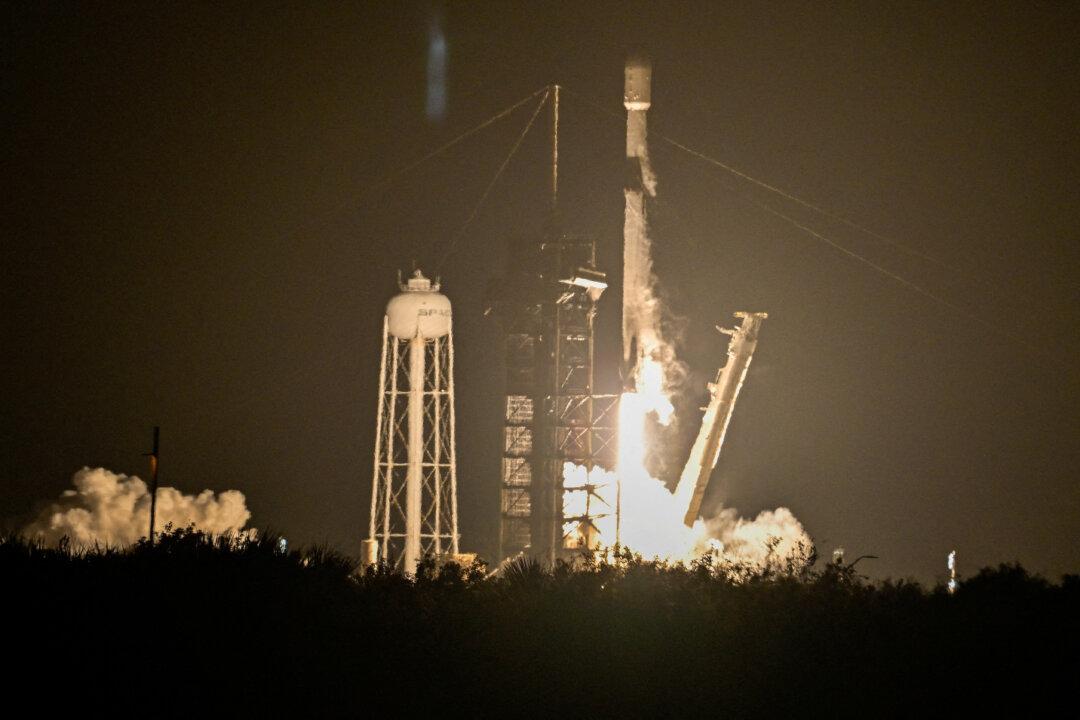
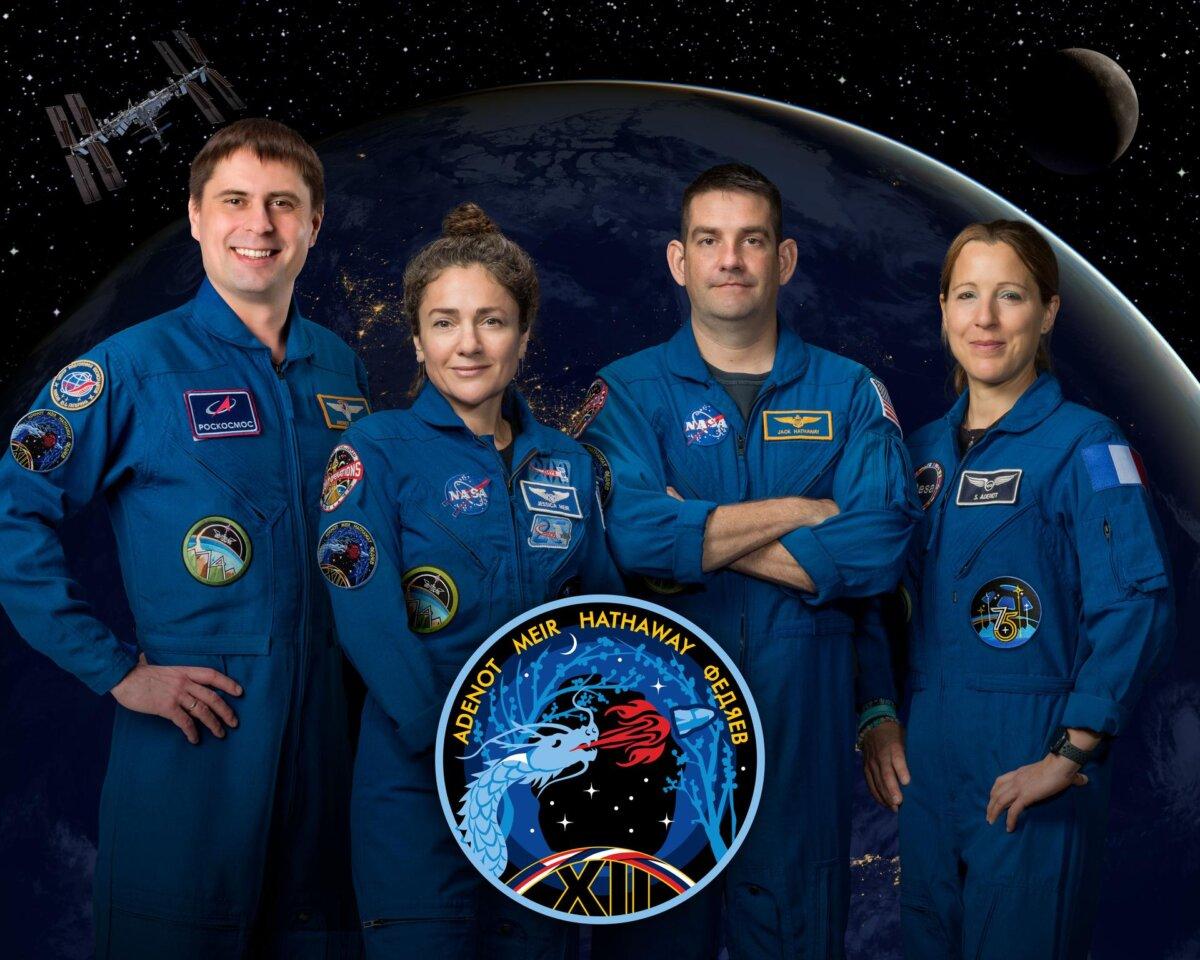
NASA’s SpaceX Crew-12 mission, carrying Americans Jessica Meir and Jack Hathaway of NASA, France’s Sophie Adenot of the European Space Agency, and Russia’s Andrey Fedyaev of Roscosmos, launched from Space Launch Complex 40 at Cape Canaveral Space Force Station at 5:15 a.m. EST Feb. 13.
“Crew-12 is ready,” Meir declared in the final minutes before launch. “We are honored to represent our [space] agencies, our nations, and the shared human desire to explore.”
Originally set to launch as early as Feb. 11, Crew-12 mission leaders opted to wait two more days for weather conditions along the SpaceX Falcon 9’s flight path to improve.
This was the second crewed launch from Space Launch Complex 40, and the Falcon 9’s main stage returned to a new primary landing site, Landing Zone 40, right next to the launch site.

Meir, Hathaway, Adenot, and Fedyaev are expected to arrive at the International Space Station at about 3:15 p.m. ET on Feb. 14.
This liftoff caps off a busy week for America’s seminal spaceport. While Crew-12 waited for better weather, an unmanned U.S. Space Force mission was given the go-ahead to launch next door at Space Launch Complex 41.
United Launch Alliance’s Vulcan rocket lifted off at 4:22 a.m. on Feb. 12, carrying multiple payloads for the Space Force, including a new spacecraft addition for the Space Force’s Geosynchronous Space Situational Awareness Program (GSSAP) space system.
“With space being the new battlefield high ground, ULA will help to protect U.S. national security orbital assets by launching a ‘neighborhood watch’ surveillance system directly into geosynchronous orbit,” the company said in a Feb. 4 post on X.
Although an issue was discovered with one of the four solid rocket boosters, the launch vehicle successfully delivered all of its payloads into their proper orbits. It was the Vulcan’s second National Security Space Launch mission for the Space Force, as well as its heaviest payload and longest launch operation thus far.
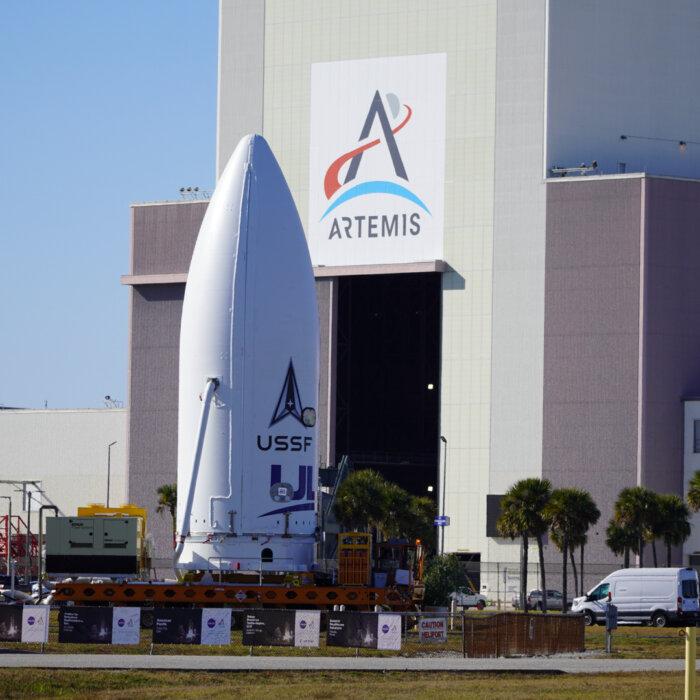
Further north at Kennedy Space Center’s Launch Complex 39B, NASA continued work on its Space Launch System moon rocket in preparation for the Artemis II launch. After discovering a fuel leak during a tanking test and launch dress rehearsal on Feb. 2, ground teams replaced the leaky seals and began conducting tests in advance of the next dress rehearsal.