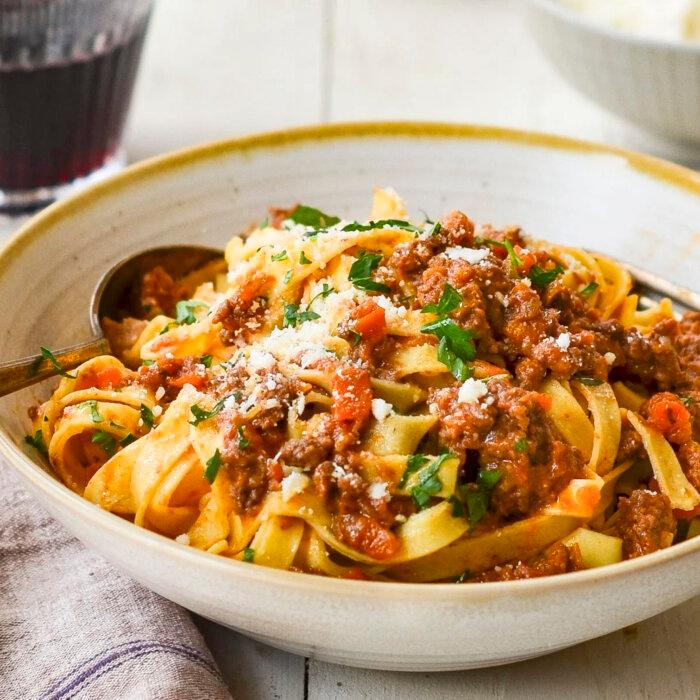

Finished with bright and citrusy lemon butter and a sprinkle of Parmesan cheese, this warm-weather supper is perfection. And the best part? I can enjoy it from the comfort of my own porch—no restaurant required. This is my ode to spring—a simple springtime supper that takes full advantage of all that spring markets offer.
What Is Pasta Primavera?
Unsurprisingly, the 1970s lay claim to the “invention” of this pasta and vegetable dish. After the decades when condensed soup casseroles ruled at home and rich French cuisine was the go-to in restaurants, the pendulum finally swung the other way.
Disco-era chefs in New York City looked to Italy for inspiration, where families had combined fresh spring vegetables with pasta for generations. The word “primavera” means springtime in Italian. In an era before seasonal cooking was commonplace, pasta primavera was the recipe to order for the best and brightest of spring vegetables.
Why You’ll Love It
One-pot wonder. To keep it weeknight-friendly, this easy vegetable and pasta dish is cooked in one large Dutch oven or pasta pot.
It’s got a variety of vegetables. The key to pasta primavera is using the freshest vegetables available. We call for a variety of vegetables that add texture, color, and flavor, but this is just a guide. Toss in any variety that catches your eye during your weekly market shop.
The garlic-lemon butter is simple and flavorful. Mash garlic, lemon zest, and butter together to stir into the starchy cooking liquid to make a light sauce. A sprinkling of Parmesan adds just the right level of saltiness.
Key Ingredients in Pasta Primavera
Veggies: We use a variety of vegetables here—asparagus, zucchini, carrots, bell pepper, broccolini, sugar snap peas, cherry tomatoes, and peas—but feel free to use any veggies you want. Cut the vegetables down to a size at which they cook together quickly. Take carrots and sweet English peas: Typically, carrots take longer to cook than the peas, so here we’re thinly slicing the carrots, cutting them thinner and smaller so they cook in the same two minutes as the rest of the vegetables. As a rule of thumb, trim vegetables to 1/2-inch to one-inch pieces. If in doubt, set your knife down and simply consider how that vegetable will fit on your fork.
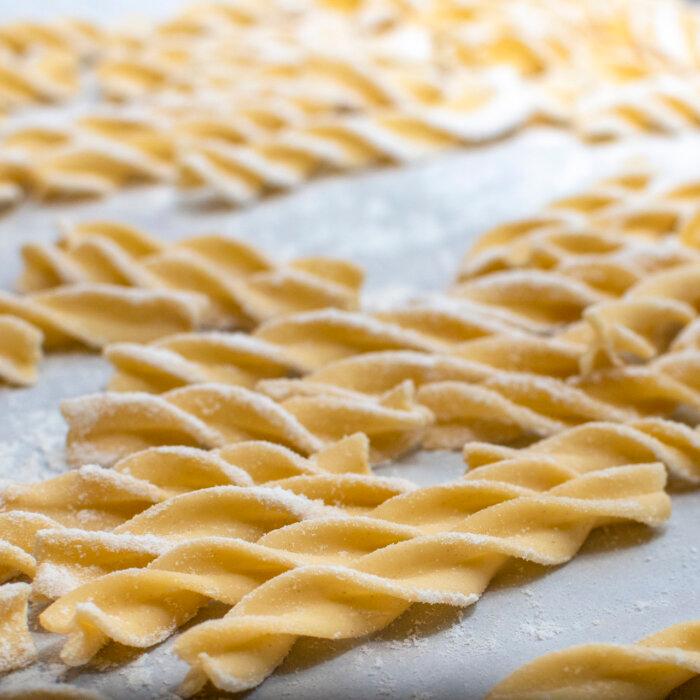
Short pasta: We also find that a better way to serve pasta primavera means swapping the traditional strands of angel hair pasta for a short pasta, such as penne rigate, fusilli, or orecchiette. The long strands of angel hair are incompatible with chunky bites of vegetables, while the short shapes mimic the size of the trimmed vegetables and cook in just eight to 10 minutes.
Butter: You’ll need unsalted butter for the flavorful garlic-lemon butter, which is the foundation for the light sauce.
Parmesan cheese: The pasta is finished with grated Parmesan cheese, plus more for serving.
Make-Ahead and Storage Tips
Make ahead: Vegetables can be chopped and refrigerated in an airtight container up to one day in advance.
Storage: Refrigerate leftovers in an airtight container for up to three days.