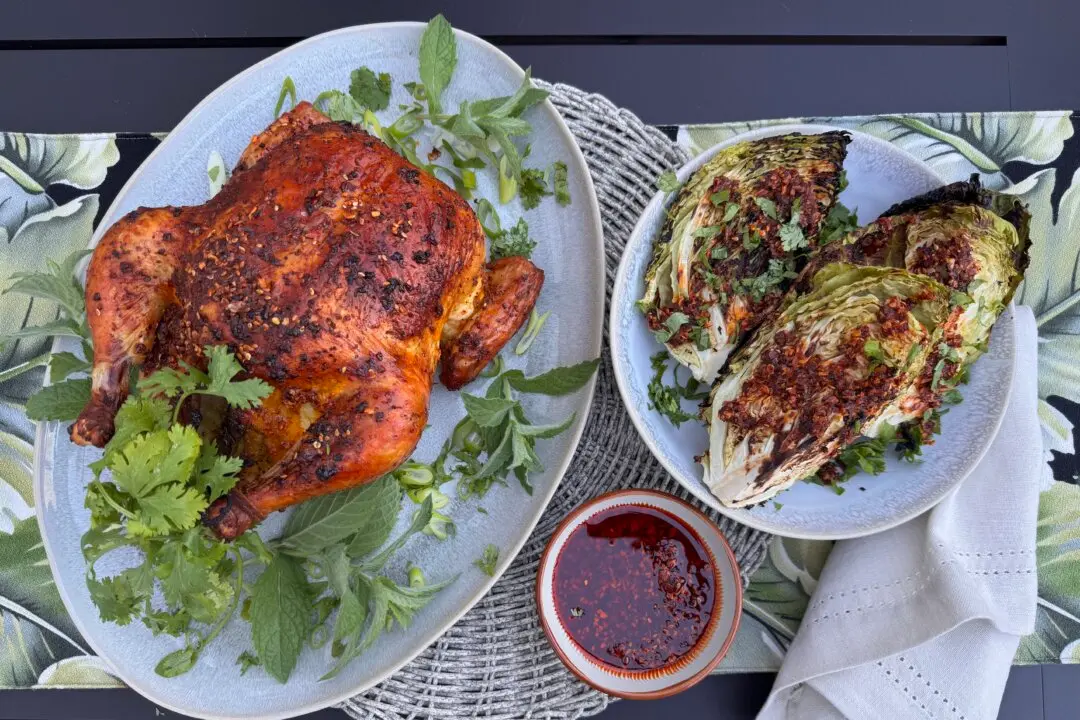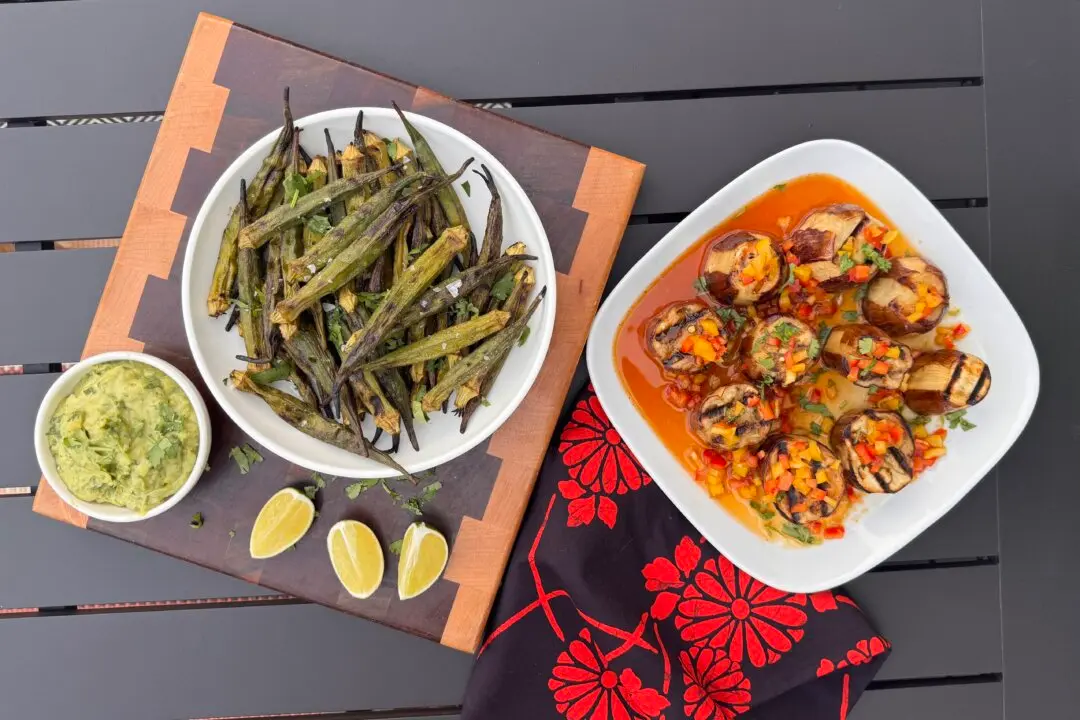

Food cooked over live fire makes my heart beat faster. The beauty of glowing embers, the aroma of smoke, the crispy bits on the edges of anything cooked over charcoal or wood—it’s all so enjoyable.
Charcoal is always our preference when we want a big grill flavor. Practice makes perfect when it comes to cooking over charcoal fire. It takes time to become comfortable building the fire and working on its accompanying heat.
Start your training with less expensive foods and work your way up to pricey steaks, ribs, and roasts. Thank goodness the homework is so tasty!
Invest in good charcoal, such as hardwood charcoal made from wood instead of petroleum-based briquettes. The right fuel makes for better-tasting food.
Allow plenty of time for the coals to burn into embers for a steady cooking temperature. Stay near the grill during cooking and use a timer. An instant-read thermometer helps eliminate guesswork on doneness.
Tips for Direct-Heat Charcoal Grilling
Buy good charcoal. Premium hardwood charcoal is made by burning wood in the absence of oxygen, resulting in pure carbonized wood with no additives. The chunks are often highly irregular in shape and burn faster than briquettes. It takes a bit of practice to use hardwood charcoal if you are used to briquettes, but the resulting flavor improvement in the finished food is worth the effort and expense.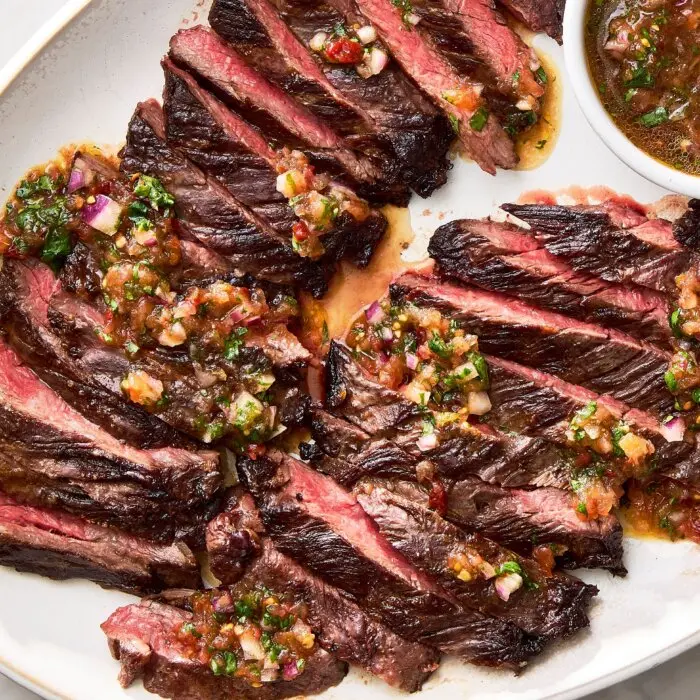
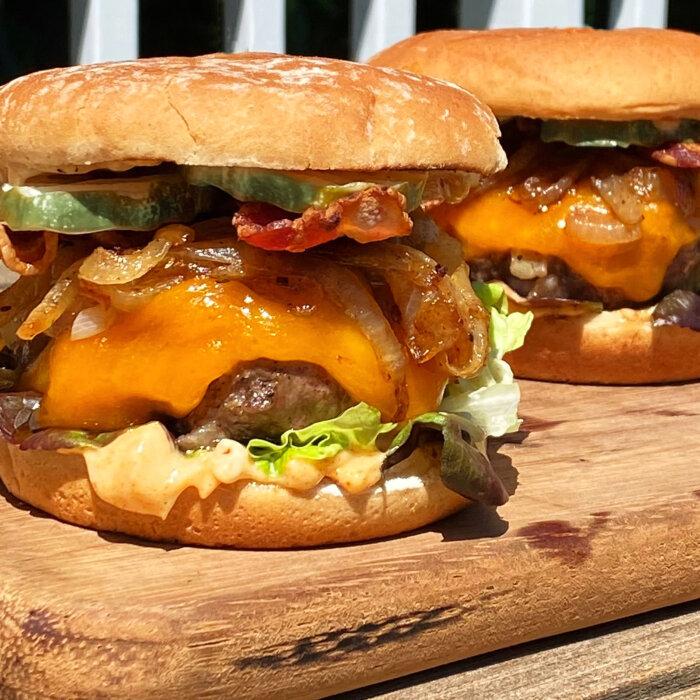
Avoid lighter fluid whenever possible. Instead, fill a chimney starter with charcoal and crumble a couple of pieces of paper in the bottom of the chimney. Set it in the grill (cooking rack removed) and light the paper. Let the coals burn in the chimney until they are red hot and mostly covered with white ash.
Use oven mitts and carefully dump the hot coals over the bottom of the grill. Spread them into an even layer for direct cooking. Leave a section of the grill without coals so there’s a cooler portion.
Put the cooking grate in place and cover the grill. Let the cooking grate heat for about five minutes. This preheat helps prevent food from sticking to it.
Adjust the vents on the grill to help moderate air flow and temperature. If you have an oven thermometer, use it to give you an idea of the grill’s heat.
Use tongs to position food on the hot grate directly over the coals. Cover the grill and cook as directed. Resist the urge to open the grill too often—this is important for even cooking and preventing flare-ups.
Turn food with spatulas, not tongs, to prevent juices from flowing onto coals and causing flare-ups. Move food to a cooler section (not directly over the coals) if browning goes too quickly.
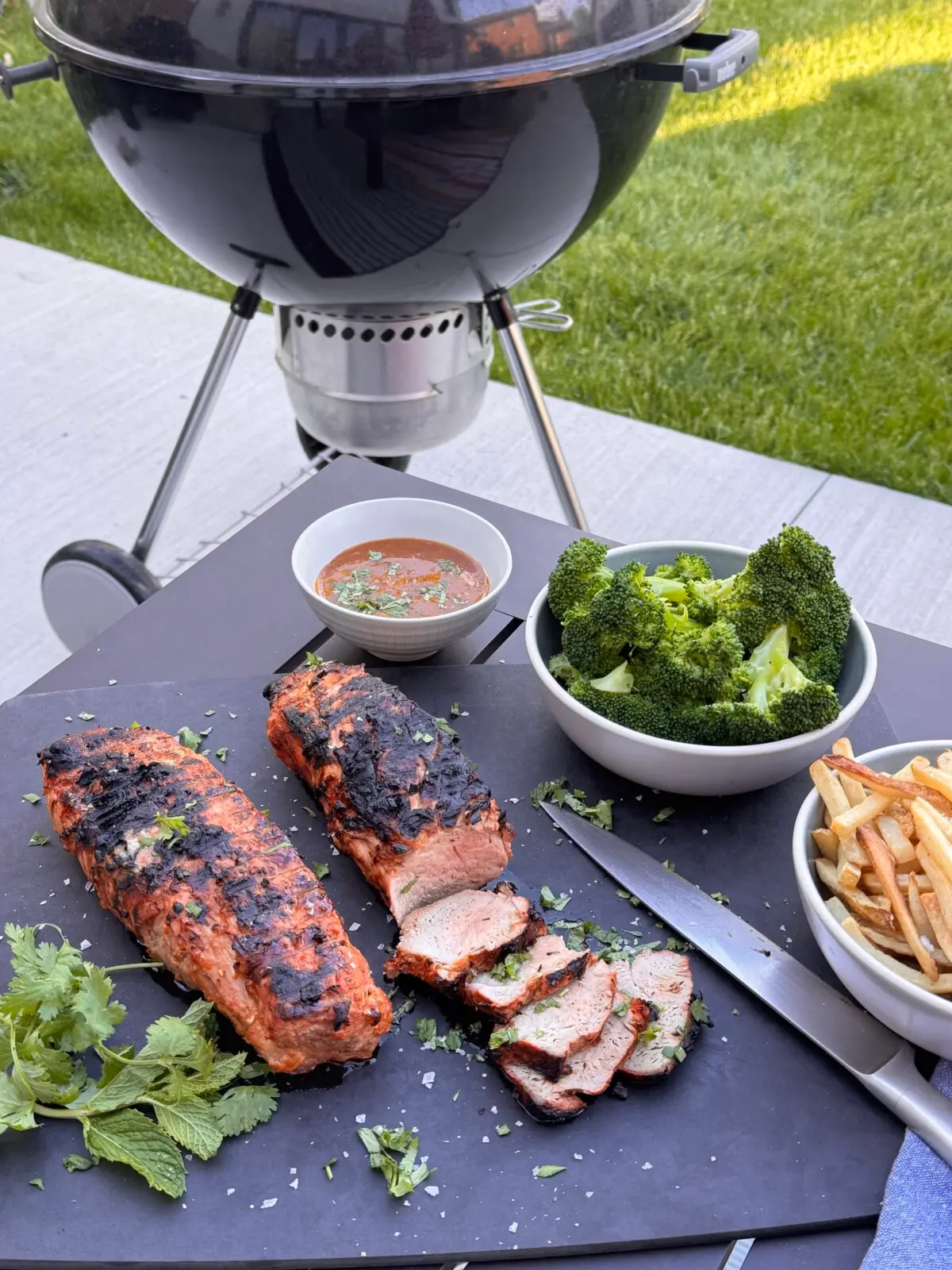
Serve this pork thinly sliced with potatoes and a steamed green vegetable. Fresh limeade or chilled beer will cool off the cook.