Commentary
Outside a pet store the other day, I watched a couple walking toward the entrance, each holding a well-groomed dog on a leash. They did not look like they were struggling. They were not disheveled in the way hardship sometimes shows itself. Quite the opposite. Their dogs were brushed, their gear was nice, and they were clearly about to go spend money.They were both wearing boots. His were low ankle style. Hers were tall with bows running down the back, likely more than $150 a pair. But the rest of their outfits told a different story. He was in green plaid pajama pants, a black T-shirt, and a sweatshirt. She wore matching pink and black pajama bottoms and top, layered with a sweatshirt.
This was not poverty. This was preference.
It made me stop to ask a question I cannot seem to shake. When did it become normal to wear pajamas in public?
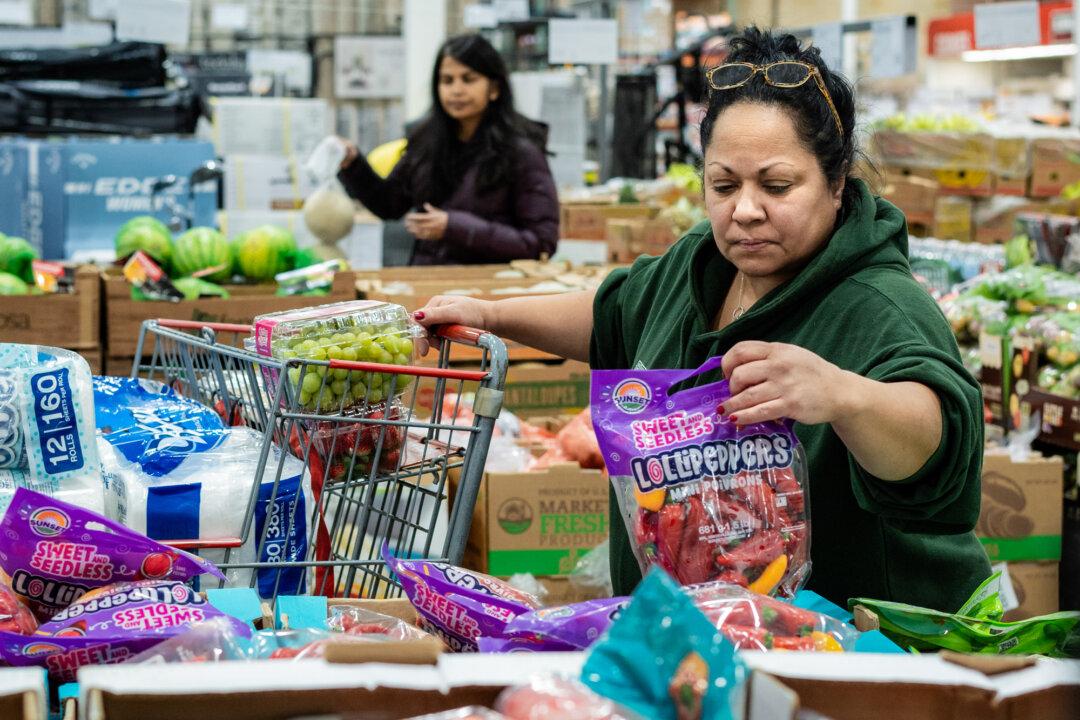
It is not just one couple. I have seen it everywhere. Professional movers showing up to the ranch in slippers and pajama pants. In a big box store, I counted more than 30 people wearing slippers before I stopped keeping track. Grocery stores, airports, and everyday errands now include people dressed as if they never leave their living room. Pajamas have quietly crossed the line from private to public.
The more I see it, the less I think this is about clothing. It feels like a signal that something else has shifted.
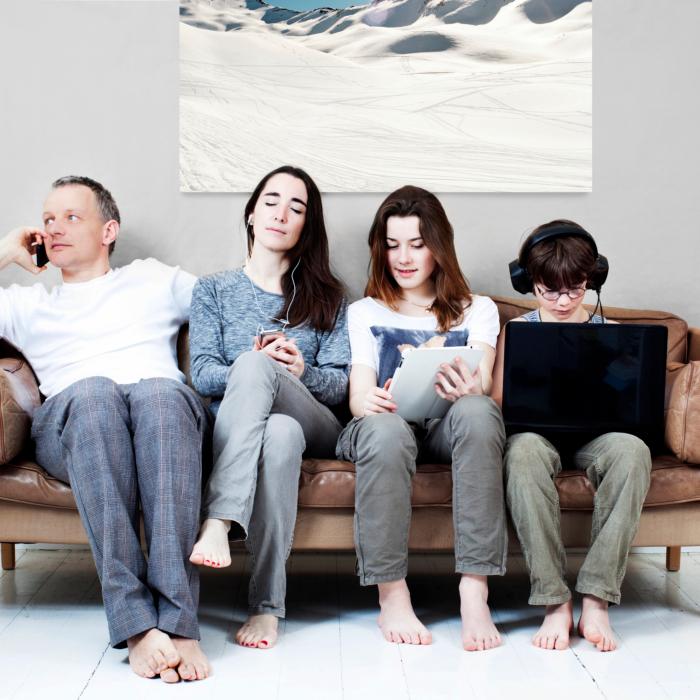
Getting dressed used to be a kind of social contract: not rigid or formal and not about wealth or fashion but about marking a transition. You woke up, you prepared yourself, and you stepped into the world in a way that showed you were ready to participate in it. There was a clear difference between private life and public life, between rest and responsibility, between being at home and entering a shared space.
Pajamas erase that line.
When we stop marking those transitions, something subtle changes. We do not fully arrive anywhere. We are still half at home even when we are out in the world, and that affects how we engage with everything around us.
Part of this is likely a lingering effect of COVID-19. People were forced into their homes. The rhythms that once structured daily life disappeared almost overnight. Getting dressed, leaving the house, and preparing to be seen all became optional. And unlike other disruptions, we never fully returned to what was once normal.
If the simple act of getting dressed feels like too much, what else begins to fall away?
Comfort used to be something we earned. It came after a long day, after work, after effort. Now it has become the baseline expectation. Anything that disrupts comfort, even slightly, is treated as unnecessary.
We have elevated comfort to something close to a guiding principle.
But when comfort becomes the highest value, other things begin to erode. Discipline weakens. Preparation fades.
Clothing used to signal effort. It told the people around you that you were present, that you were engaged, that you had made some attempt to meet the moment. When that signal disappears, everything flattens.
Wearing pajamas into the world can feel like a quiet message that says do not ask me to do anything hard. I am not prepared for that.
I understand that feeling. There have been moments in my life, postpartum or sick, when I ran out in pajama bottoms and a sweatshirt to pick up food or grab a prescription. In those moments, I was not prepared to do anything hard. I was simply getting through the day.
But those moments were temporary.
What makes this shift even more striking is that it is not being driven by lack. The people I see in pajamas are not the poorest. In many cases, they are doing quite well.
Historically, as people gained wealth, standards rose. There was pride in presentation. People dressed up rather than down, and there was a sense that abundance allowed you to elevate how you showed up in the world.
Now we seem to be moving in the opposite direction. Wealth is no longer paired with higher standards. It is often paired with fewer standards.
I did not grow up in a rigid or formal household. My parents went from having nothing to building a successful fashion business out of our barn. Even when they had money, they dressed comfortably, but that did not mean pajamas.
My father had a black Armani suit long before he could really afford it. He used to tell me that if you have one good black suit, it can serve you in a lot of different ways.
My mother built her business on casual, flowing clothing for women. She believed in comfort, but she also believed in elegance. She did not mind if clothing felt as comfortable as pajamas, as long as it was made for the outside world.
There is nothing wrong with comfort. In many jobs, it is necessary. Clothing should allow you to move, to work, and to live fully. There are clothes for each environment.
But pajamas are not it.
Pajamas belong to the home. They belong to family, to rest, to sleep. What we wear into the world should signal that we are prepared for what the world might ask of us.
At the ranch, that preparation is not theoretical. A friend once asked me if I wear boots and a hat as part of a costume, as if being a rancher were something I was pretending to be. I laughed and asked him if he had ever stood out in a field in Texas where the light soil reflects the sun so brightly it almost blinds you.
I wear a hat because I need it.
I wear boots because I have come within inches of a rattlesnake in the tall grass, and if I am not paying attention, at least my boots provide some protection.
Boots are not a costume. They are a signal that I am ready to work.
Interestingly, that kind of preparation creates a deeper form of comfort. It is not about ease. It is about readiness.
There is a difference between comfort that comes from being prepared and comfort that comes from avoiding effort. One builds resilience. The other erodes it.
This is not about judging people for what they wear. It is about noticing what happens in a culture when small standards quietly disappear. Those small standards rarely exist in isolation. When they shift in visible ways, it raises the question of where else they are shifting.
We often talk about freedom as the ability to do whatever we want. That is part of it. But there is another side to freedom that matters just as much, and that is self-governance.