What can we do? We can stop outsourcing our conscience.
That sounds simple, but it may be the single most important act of citizenship left in this country. Once politics becomes identity, once it becomes tribal belonging instead of moral reasoning, people stop evaluating actions on principle and start evaluating them based on who committed them. If “our side” does it, we justify it. If the other side does it, we rage against it. Somewhere in that process, independent thought dies.
A constitutional republic only functions if the people remain engaged, informed, and morally anchored. The premise is that power flows upward from citizens with discernment. But what happens when citizens stop thinking critically and begin behaving like fans at a sporting event? What happens when corporate lobbying writes legislation, billion dollar industries shape media narratives, and politicians become fundraisers first and representatives second?
You end up with a population that feels powerless, cynical, and exhausted. People begin believing voting is the entirety of citizenship, when in reality it is only one small expression of civic responsibility.
And yet, I do not think this is hopeless.
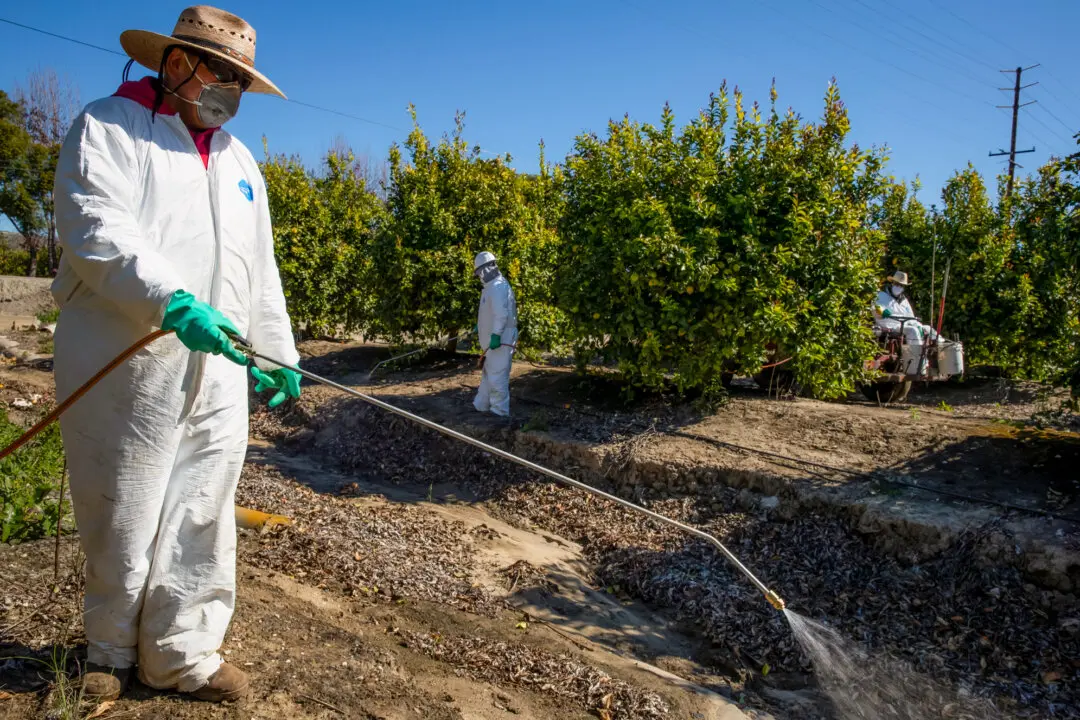
I think we are watching people wake up to the reality that many of the most important battles are not cleanly divided between Republican and Democrat. The pesticide liability shield debate exposed that clearly. Chemical companies sought protections that would make it harder for American families to hold them accountable, and the pushback did not come from only one party. It came from mothers, fathers, farmers, grandparents, independent journalists, health advocates, and ordinary citizens who simply said, “enough.”
That matters.
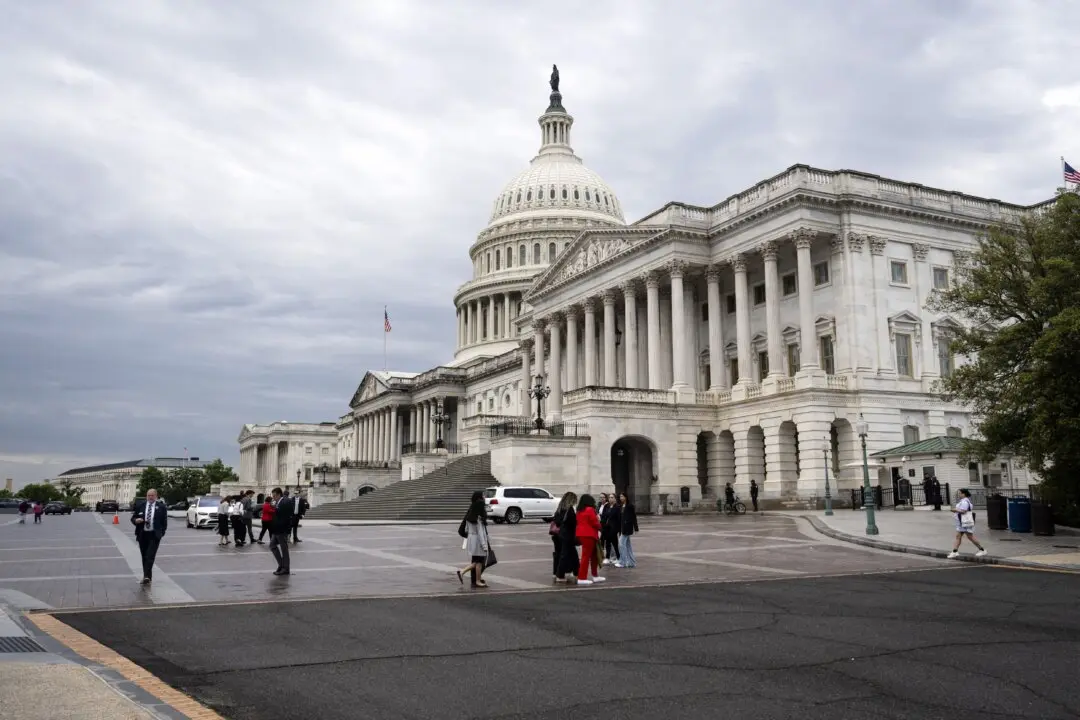
The fact that liability shield language was pulled from parts of the Farm Bill discussion shows something many Americans have forgotten: Pressure still works. Public outrage still matters. Organized citizens still matter. Washington is not moved primarily by moral awakening inside its institutions. It moves when enough outside pressure makes maintaining the status quo politically dangerous.
That realization can either discourage or empower us.
Yes, it is disturbing to realize how captured many systems have become. It is unsettling to watch corporations influence regulation, education, food systems, media, agriculture, and even public health conversations. But there is also something clarifying about it: Once you stop believing salvation is coming from a political party, you stop waiting to be rescued.
That is where resilience begins.
Resilience is local food systems. It is knowing your neighbors. It is supporting independent farms and businesses before they disappear. It is homeschooling or becoming deeply involved in your children’s education. It is learning practical skills again. It is decentralizing where possible. It is refusing to let algorithms completely shape your worldview. It is building community institutions that can withstand political and economic instability.
Most importantly, it is refusing ideological conformity.
I am conservative in many of my values. I believe in faith, family, responsibility, freedom, and personal accountability. But if a Republican supports something that violates those principles, I do not suddenly support it because the “red team” proposed it. Principles that only apply when convenient are not principles at all. They are branding.
The red-versus-blue framework is emotionally addictive because it simplifies the world into heroes and villains. But reality is more uncomfortable than that. Corporate influence crosses party lines. Regulatory capture crosses party lines. Endless debt spending crosses party lines. Many of the systems eroding independence and local resilience are bipartisan systems.
That does not mean voting does not matter. I am not even sure anymore how much it still does, but because I exist inside this system, I will continue to participate in it and continue to try. But what I know still matters is the change we make outside of it.
And that change does not always have to look like outrage. Resistance does not have to look like anger. In fact, anger often makes us easier to manipulate. When we are constantly enraged, we are less likely to think critically, strategize clearly, or work together in meaningful ways.
What we need is vigilance. Small acts of resistance every single day. Refusing to allow ourselves to be captured by the overwhelming amount of propaganda being thrown at us constantly from every direction. Refusing to surrender our minds, values, or humanity to algorithms, headlines, political tribes, or fear.
It means talking to friends we disagree with instead of immediately discarding them. It means asking why people believe what they believe and listening long enough to understand their point of view, even if we ultimately disagree with it. Once a society loses the ability to have honest conversations across disagreement, it begins to fracture beyond repair.
The system benefits when we are divided, emotionally reactive, isolated, and distrustful of one another. Strong communities are much harder to control than angry individuals screaming past each other online.
Real resilience may look quieter than people expect. It may look like growing food, building local businesses, supporting independent journalism, homeschooling children, shopping intentionally, forming strong communities, learning practical skills, or simply refusing to abandon independent thought.
It may look like speaking our truth on large platforms if we have access to them, but it also looks like speaking truth in everyday conversations. Culture is shaped person by person, conversation by conversation, relationship by relationship.
Each of us is influenced by the people around us. Our thoughts, beliefs, and values are shaped in part by the communities we participate in and the people we respect. That means honesty matters more than we often realize.
Telling the truth, even when it is uncomfortable, may be one of the greatest forms of resistance we still have.
Not performative outrage. Not slogans. Not repeating whatever our political tribe expects us to say. But honest speech rooted in principle, humility, and courage.
Sometimes truth costs something. Sometimes it risks social approval, status, opportunities, or belonging. But when enough people become afraid to speak honestly, entire societies can slowly drift away from reality while everyone privately senses something is wrong.
The people cannot afford to fall asleep again.
Progress may not look clean or linear. Victories may be temporary. Corporations will regroup. Lobbyists will return. Narratives will shift. But none of that means resistance is meaningless.
The goal is not perfection. The goal is maintaining enough moral clarity and civic courage that the people remain impossible to fully override.
Because ultimately, freedom is not sustained by politicians. It is sustained by citizens capable of self-governance. And maybe real change begins when ordinary people decide they will no longer betray their conscience for comfort, approval, or tribal loyalty.