For much of the past four years, I believed Ukraine faced a long and increasingly difficult road. The war had become a brutal contest of attrition. Russia possessed greater manpower, a larger industrial base, and an apparent willingness to absorb extraordinary casualties. While I never questioned the justice of Ukraine’s cause, I questioned whether outright victory remained possible. Today, I am more optimistic.
That optimism is not based on hope. It is based on evidence emerging from the battlefield, the Russian economy and the broader geopolitical landscape. Increasingly, this war is being decided not simply by battlefield courage, but by industrial capacity, technological innovation, and national endurance.
When Vladimir Putin launched his invasion in February 2022, he expected Kyiv to fall within days. He believed President Volodymyr Zelenskyy would flee, NATO would fracture, sanctions would fade, and Europe would quietly resume buying Russian energy. He miscalculated on every front. Ukraine survived. Zelenskyy became the symbol of national resistance. Finland and Sweden joined NATO, dramatically expanding Russia’s border with the Alliance. European governments that had neglected defence for decades began rebuilding their armed forces. Rather than weakening NATO, Putin revitalized it.
Wars are not measured solely by territory captured. They are measured by whether political objectives are achieved. By that standard, Russia is far weaker today than when the invasion began. A campaign intended to conquer a neighbour in days has become a grinding conflict consuming enormous military, economic, and political resources.
The economic pressures are becoming increasingly difficult for Moscow to ignore. Russia now devotes approximately 6–7 percent of its GDP to defence, with military and security spending consuming nearly 40 percent of the federal budget. Sanctions continue to restrict access to advanced technology. Labour shortages, persistent inflation, and declining energy revenues are steadily eroding Russia’s ability to sustain a prolonged war.
Meanwhile, Ukraine has become one of the world’s most innovative military powers. It has revolutionized the use of drones, electronic warfare, and precision strike capabilities. Ukraine is now capable of producing millions of drones annually, demonstrating how innovation and industrial agility can offset numerical disadvantage. Modern warfare is increasingly rewarding those who can design, manufacture, and adapt faster than their adversaries.
This is the broader lesson of the war. The next Cold War won’t be won by speeches or summit declarations. It will be won by nations capable of producing ships, aircraft, missiles, drones, satellites, semiconductors, critical minerals, and advanced manufacturing at scale. Industrial capacity has once again become a strategic weapon.
History reinforces this lesson. Allied victory in World War II depended not only on battlefield leadership, but on the overwhelming productive power of democratic economies. Today, authoritarian regimes understand this reality and are investing heavily in manufacturing, shipbuilding, artificial intelligence, and defence production. Democracies must do the same.
For Canada, the implications extend well beyond Ukraine. Supporting Ukraine remains morally right and strategically necessary, but it is not enough. Canada must also rebuild its own defence industrial base, accelerate responsible resource development, strengthen domestic manufacturing, and become a more capable contributor to NATO’s collective security. Defence spending matters, but productive capacity is what ultimately sustains military power.
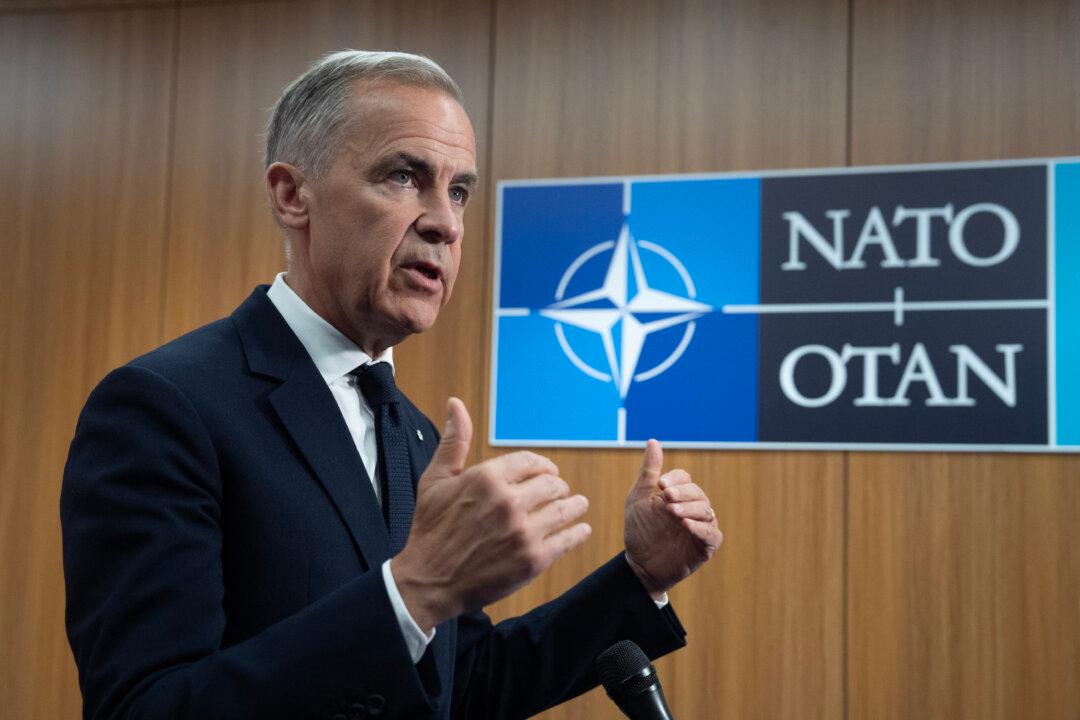
The democratic world is responding. NATO members have collectively committed well over US$300 billion in military, financial, and humanitarian assistance to Ukraine, while allied defence industries have expanded ammunition production several-fold since 2022. Despite political debate, the alliance has remained united and considerably stronger than the one Putin expected to divide.
None of this guarantees a decisive Ukrainian battlefield victory. A negotiated settlement remains the most likely outcome, and difficult territorial questions may persist for years. Yet whatever the final map looks like, Russia has already suffered profound strategic setbacks. Its military has been severely degraded, its economy increasingly militarized, its dependence on China has deepened, and its international standing has diminished.
For the first time in many months, there are credible reasons to believe Ukraine is doing more than surviving. It is steadily improving its strategic position while exposing the long-term weaknesses of authoritarian aggression.
The enduring lesson is becoming increasingly difficult to ignore. Ukraine is proving that in modern warfare, industrial power is every bit as decisive as military courage. Nations that can out-innovate, out-produce, and out-sustain their adversaries will shape the strategic balance of the 21st century.
Canada cannot afford to admire this lesson from afar. We must rebuild the industrial strength, productive economy, and defence capacity necessary to secure our own sovereignty and contribute meaningfully to the defence of the free world.