Commentary
If the first week of July 1776 made independence law, the second week made it a public fact. On July 8, 1776, John Nixon first read the Declaration aloud in the State House yard in Philadelphia. Other formal readings took place the same day in Trenton, New Jersey, and Easton, Pennsylvania.
The act of public proclamation mattered greatly. A revolution is not secured merely by elite agreement. It must be announced, heard, repeated, and absorbed. Once read aloud in public squares and published, the Declaration ceased to be merely a congressional document and became a political instrument addressed to soldiers, townspeople, assemblies, and foreign observers alike.
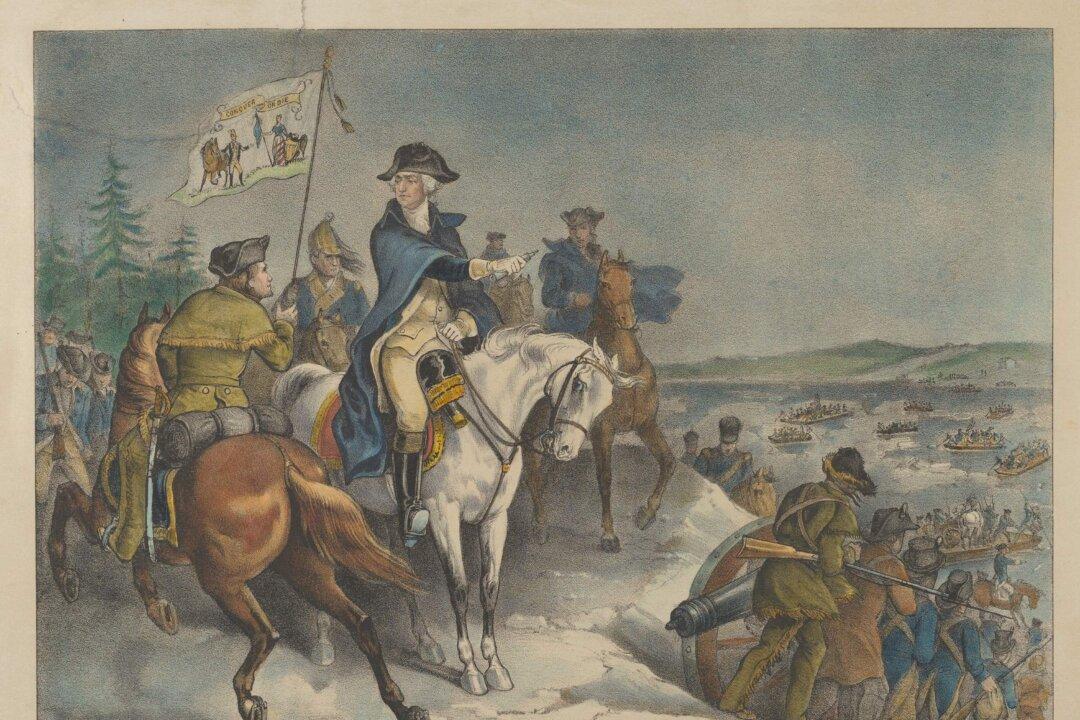
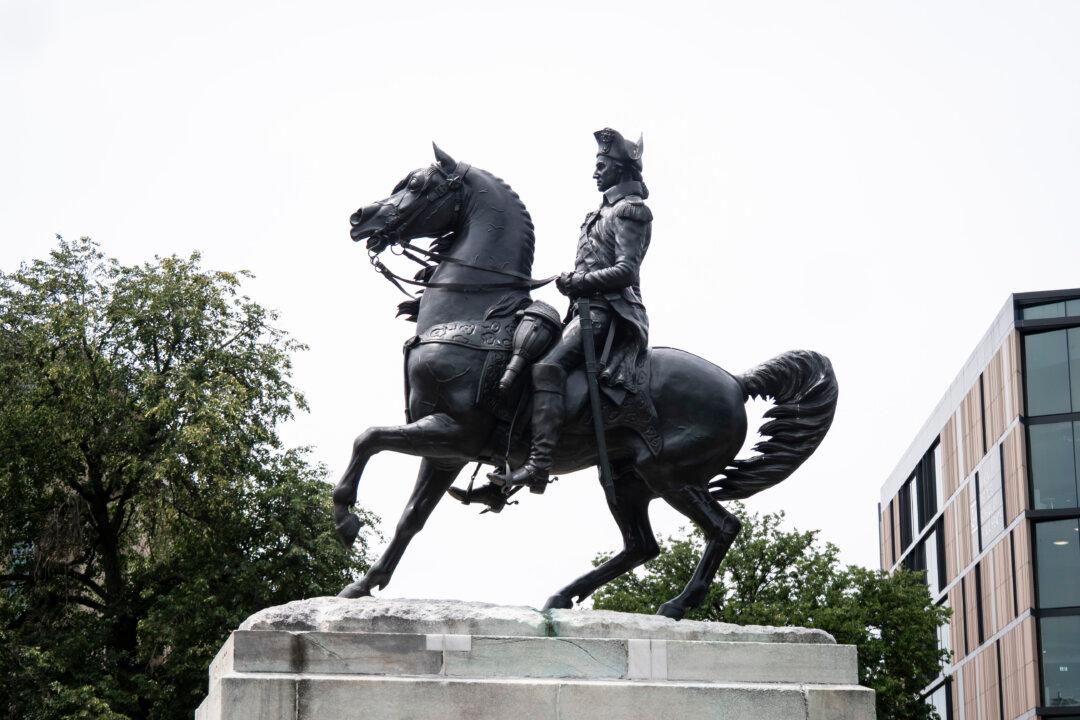
The document moved quickly from Congress to the army. On July 6, John Hancock sent the Declaration to George Washington, instructing him to proclaim it to the troops. Washington complied on July 9, 1776, having the text read to the Continental Army in New York.
This was more than a morale exercise. Soldiers who had enlisted for a continental cause that remained formally ambiguous were now being told exactly what they were fighting for. The war had changed its legal and political character. The men under arms were no longer defending colonial rights within the empire; they were fighting for the independence of the United States.
Meanwhile, military pressure in New York continued to mount. British troops were landing on Staten Island, and the fleet was growing. The alarm in the city was entirely justified. Within days of the first arrivals, dozens of British vessels crowded the harbor’s approaches.

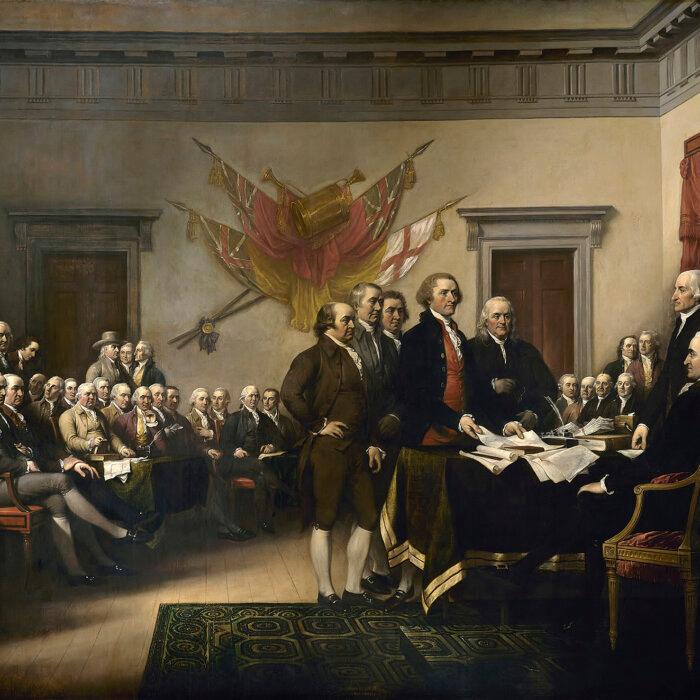
Washington’s army held its positions, but everyone understood that the Declaration, just proclaimed to the troops, might soon have to be defended in the war’s largest battle so far. The second week of July 1776, therefore, brought ideology and danger together in a particularly direct way. The new nation’s founding text was being read aloud under the shadow of imminent invasion.
Economically, publication mattered as well. Printed broadsides and newspaper reprints carried the Declaration across the states, helping turn a congressional act into a common political language. In that sense, the second week of July was about the circulation of ideas, orders, and legitimacy. Independence had been declared; now it had to be proclaimed, distributed, and believed.
Views expressed in this article are opinions of the author and do not necessarily reflect the views of The Epoch Times.