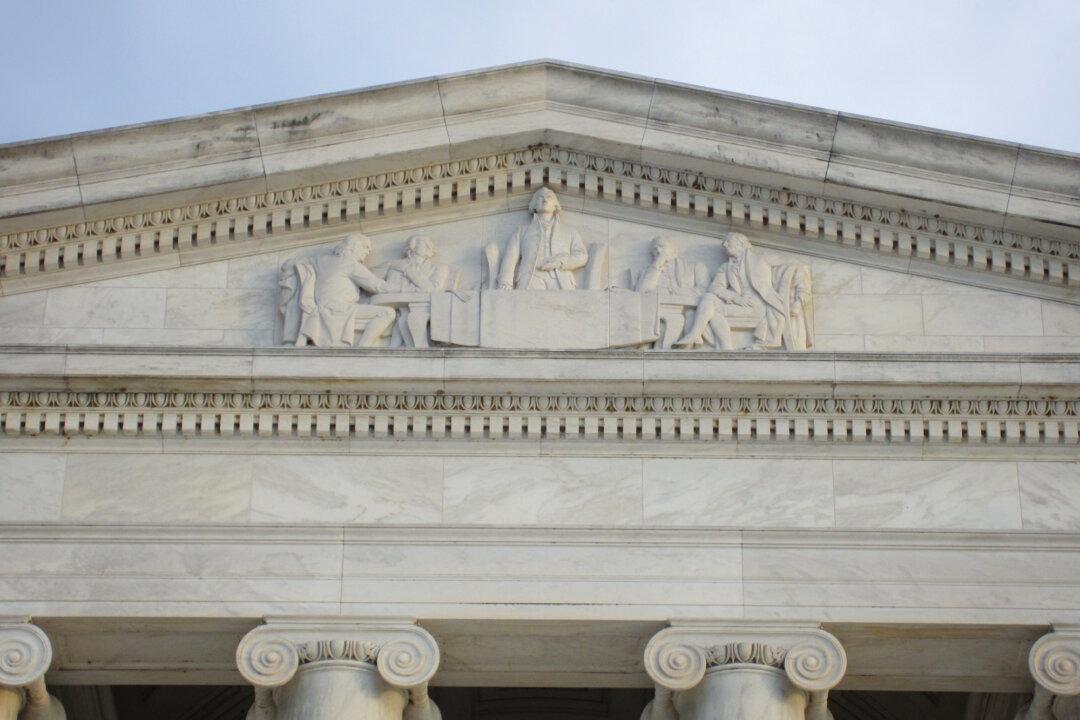
The third week of July 1776 revealed how quickly the Declaration of Independence had altered the terms of the conflict. On July 19, Congress ordered that the declaration adopted on July 4 be “fairly engrossed on parchment” under the new title “The Unanimous Declaration of the Thirteen United States of America,” and that every member of Congress sign it.
That act seemed administrative, yet it captured a profound shift. The colonies were no longer speaking as loosely united provinces in protest. They were formally and collectively presenting themselves as “United States.” The Revolution was not merely severing ties; it was naming a political identity.
At the same time, the British were still trying to determine whether any opening for accommodation remained. Adm. Richard Howe, newly empowered with limited diplomatic and full military authority, attempted to open communications with George Washington.
The difficulty was immediate and symbolic. Howe would not fully recognize Washington’s title, and Washington would not place himself in a posture of supplication.
Their encounter through Howe’s adjutant, Col. James Patterson, made the deeper point unmistakable. The British were prepared to offer pardons and leniency, but not to concede the substance of American claims. Washington’s response was precise and devastating. The Americans, he stated, had committed no crime warranting pardon.
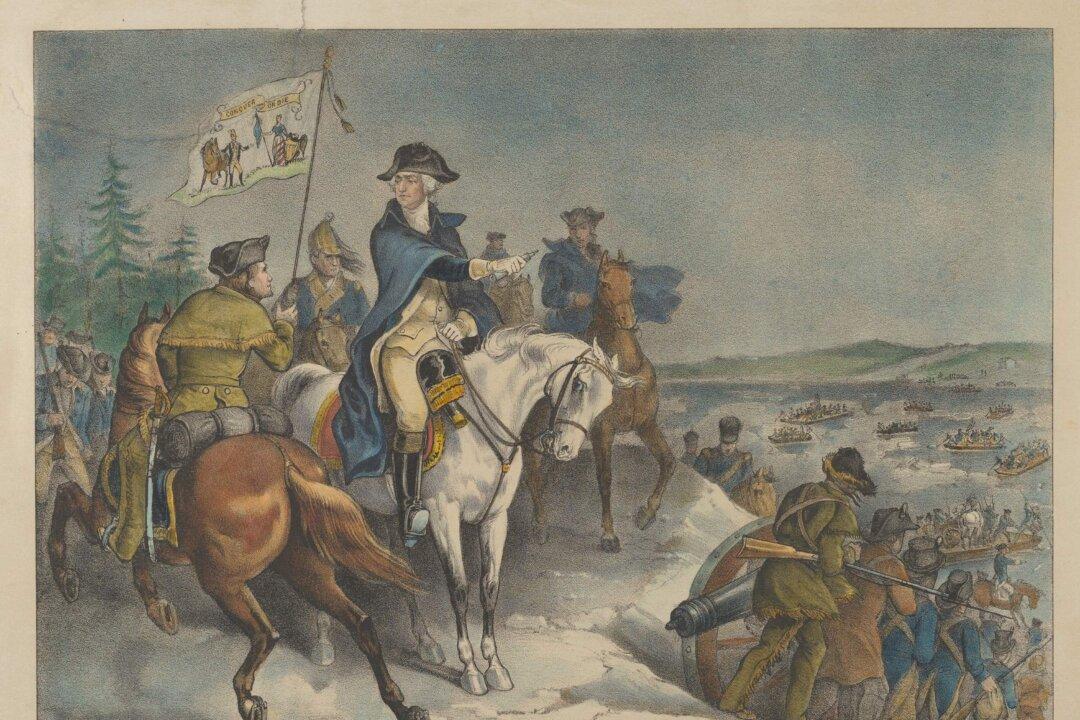
The military significance of this week lies in the contrast between diplomatic language and strategic reality. Howe might still speak the language of restoration, but his fleet and army were concentrating for major operations against the colony of New York.
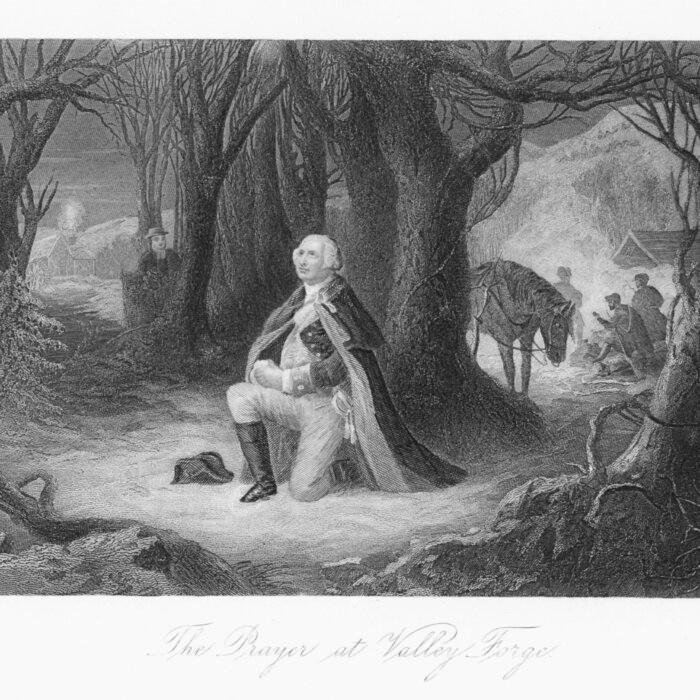
Washington, for his part, could not afford to let peace gestures overshadow the military reality. The city remained vulnerable to seaborne attack, and its defenses, though improving, were no match for the enemy’s command of the surrounding waters. By mid-July, the war had taken on a dual character: a brief final exchange of diplomatic formalities and unmistakable preparation for battle.
Economically, the week underscored the cost of irreversibility. Once Congress ordered the declaration engrossed and signed, independence ceased to be merely provisional rhetoric. It became a public commitment with implications for trade, diplomacy, war finance, and the personal fate of the signers.
The third week of July was therefore a period of consolidation. The Americans had declared independence. They were now hardening that declaration into a permanent act.