The United States is dusting off its ability to deny visas to adversarial foreign officials who seek to visit the United Nations. The two most recent examples are the president of the Palestinian Authority, Mahmoud Abbas, and the president of Colombia, Gustavo Petro.
The Colombia Case
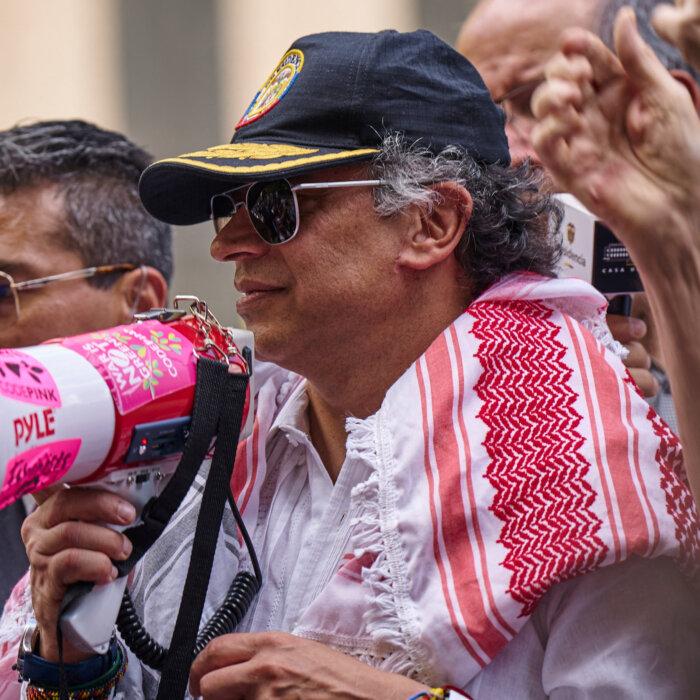
Petro is an ally of Venezuela’s Maduro regime and a frequent critic of the United States. He objects to the repatriation of illegal aliens and the U.S. military’s targeting of drug trafficking boats, despite tens of thousands of Americans having died from illegal drug overdoses annually in recent years. Petro’s visa denial did not affect his trip to New York City to speak at the U.N., because he is an EU citizen and therefore does not require a visa to visit the United States. But it sent a strong signal nonetheless.Petro called his visa denial a violation of the “founding principles” of the U.N. The treaty that the United States signed to get the U.N. headquarters located in New York requires that the United States give foreign dignitaries free access to U.N. premises. Congress voted the treaty into U.S. law but included a national security exception.
The Palestinian Case
Abbas leads both the Palestinian Authority (PA) and the Palestine Liberation Organization (PLO). The PLO was founded in 1964 and conducted numerous terror attacks on civilians in Israel and abroad. Yet in 1974, the U.N. General Assembly granted the PLO observer status as representative of the Palestinian people. Four years later, the PLO opened an office in Washington under U.S. President Jimmy Carter. This was controversial, and in 1987, the U.S. Congress passed a law that designated the PLO as a terrorist organization. In 1993, the PLO finally recognized Israel’s right to exist and renounced terrorism.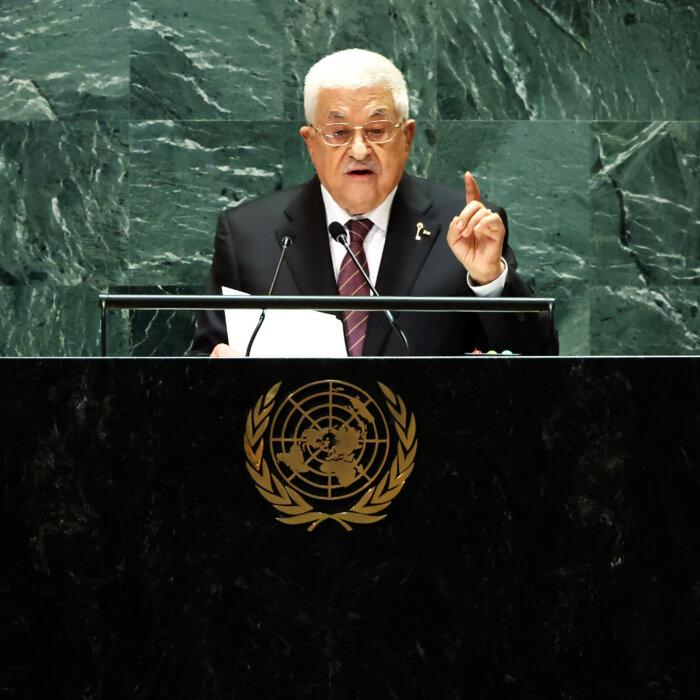
The U.S. State Department argued in a statement that to be accepted as a partner for peace, Abbas and his groups “must consistently repudiate terrorism, and end incitement to terrorism in education, as required by U.S. law and as promised by the PLO.”
The department further argued that the PA is engaged in lawfare and seeks unilateral recognition of a Palestinian state.
How UN Visa Denials Can Weaken Authoritarianism
Whether or not one agrees with the specific cases of Petro and Abbas, their visa denials do set a precedent for getting tougher on authoritarian leaders around the world.Visa restrictions on foreign officials visiting the U.N. have caused international controversy. If taken far enough, they could increase support for proposals to relocate the U.N. headquarters to another city, such as Brussels, Beijing, or, as Petro proposed, Qatar. A member of the European Parliament from Denmark proposed that one U.N. meeting related to Palestinian statehood be moved from New York to Geneva. This would give Europe, China, or Qatar greater diplomatic influence and access.
The United States is in a good position to selectively deny visas to foreign officials from authoritarian countries who seek to visit the U.N. But it should arguably be done sparingly. If done too frequently, it could cause more countries to sympathize with or even join the CRINKs against America.
The optimal strategy would enlist the support of the world’s most powerful democracies, especially those in the G7 grouping. Together, they could argue that the CRINK countries violated the U.N.’s human rights declaration, which they are signatories to, and so other U.N. protections do not apply to them. This includes the protections and visas normally afforded to other U.N. member states with respect to welcoming all of their officials, without exception, to New York for U.N. functions.
If visa denials are made only against countries, such as China and Russia, that almost all countries agree have transgressed against established human rights principles, then the world is more likely to support the United States in using this leverage while retaining the diplomatic influence that comes with hosting the U.N. headquarters.