I’m sitting in the Charlotte airport eating sushi, not at a fine dining restaurant or a curated foodie destination—just at a circular counter in the center of a busy terminal where people are boarding flights, juggling backpacks, checking email, and scrolling through their phones. On the surface, nothing about this moment feels remarkable.
But the longer I sit here and pay attention, the more extraordinary it becomes.
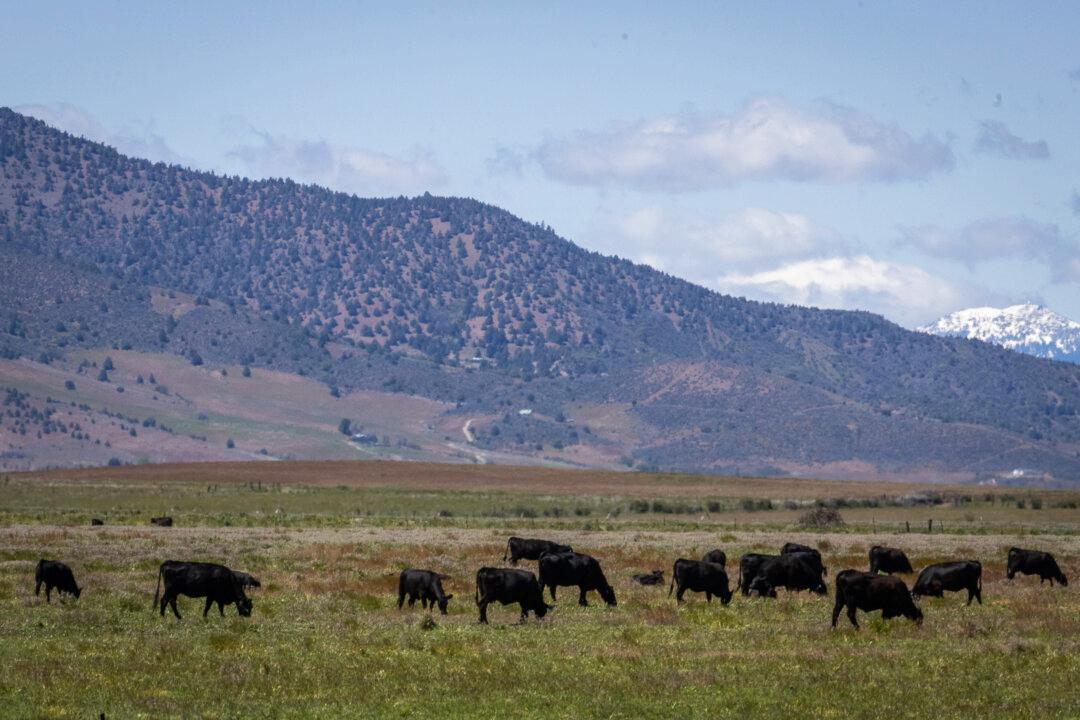
There are four types of fish in my sushi roll. That means four different fishing operations, possibly in different countries, employing different crews, boats, handling systems, inspectors, processors, and distributors—all before it ever reached this airport.
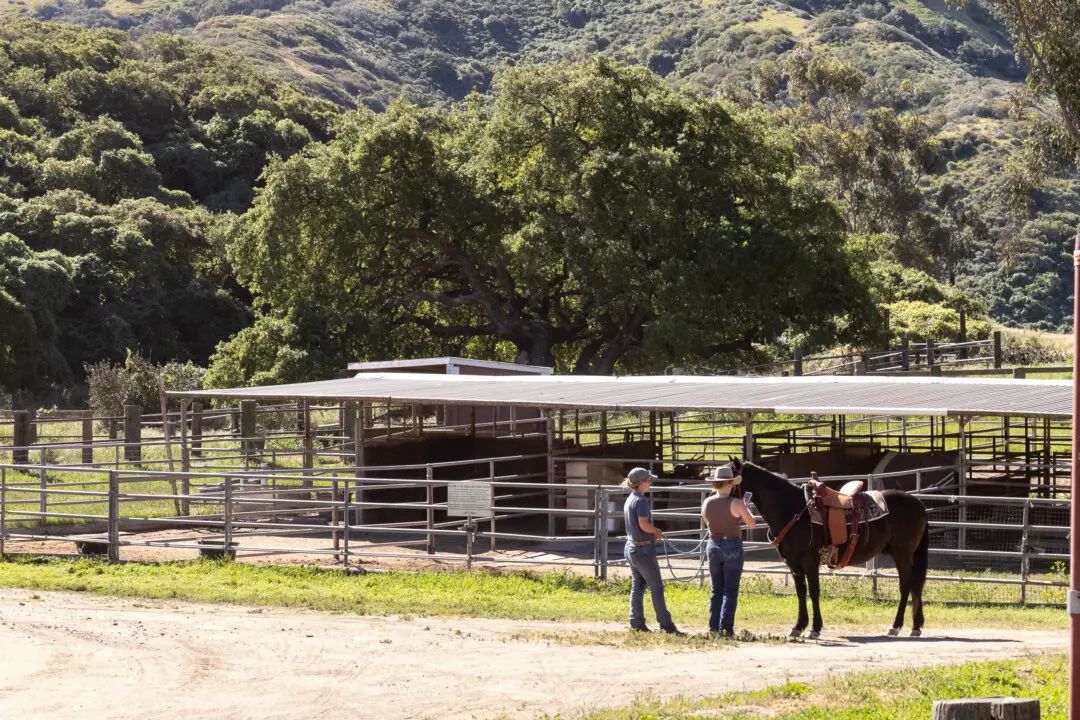
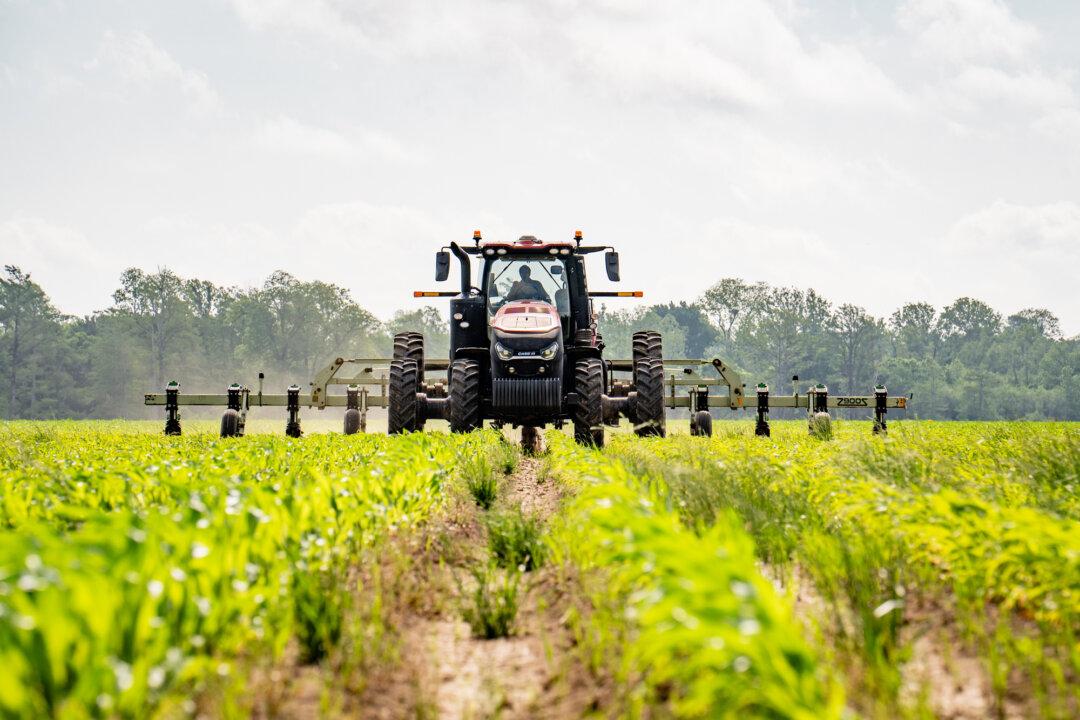
The rice carries its own story: seed selection, farmers, irrigation, harvesting, milling, packaging, shipping. The avocado likely traveled from Mexico or California. The ginger was grown, peeled, processed, and distributed somewhere across the world. Even the pale-green dollop of “wasabi” started with someone planting and harvesting horseradish before it was dyed and packaged to imitate something most Americans have never actually tasted.
The seaweed was harvested from the ocean. The soy sauce came from soybeans grown by a farmer whose name I’ll never know. The napkin, the small plastic cup, the paper wrapper around the chopsticks—all of it required raw materials, factories, transportation systems, and human hands.
And the environment surrounding this meal adds another layer to the astonishment. A man sits nearby playing live music for travelers he will never meet again. Large, living ficus trees tower above us inside glass greenhouse structures built to sustain them indoors. Wooden rocking chairs line the massive windows, where people sip coffee while watching airplanes—giant pieces of engineered metal—lift casually into the sky.
Behind the counter, a server, two sushi chefs, and a host move with practiced rhythm. They rely on stainless steel equipment, refrigeration, food safety systems, gloves, cutting boards, and cleaning supplies—all of which had to be designed, manufactured, shipped, and maintained.
All of this so that I can have lunch during a layover.
Years ago, I had a moment that helped me see things this way. In 2015, I was serving food from my truck in the VIP section at Coachella. One of our most popular dishes was nachos made from organic, handmade chips we fried fresh from tortillas in the truck. A young woman ordered them, and when she saw the price, she recoiled.
“Sixteen dollars? For nachos? That’s insane.”
I didn’t snap back. I just wished she could see what she was holding.
So I told her. The corn was grown organically in Mexico, shipped to Los Angeles, pressed into tortillas, then cut and fried in our kitchen. The cabbage and jalapeños were grown by Ana Ayala in Ventura, sliced and prepared by hand. The jalapeños were pickled in-house. The black beans came from a seed heritage tracing back to Africa. The vegan cheese was made from cashews that traveled across the world. The limes were cut fresh that morning.
All of that traveled to the middle of the desert so she could have a snack between concerts.
I told her gently: “You don’t have to think it’s worth 16 dollars. I’ll give you your money back if you’d like. But these aren’t just nachos. They’re a miracle of agriculture, logistics, craftsmanship, and human cooperation.”
She paused. Something in her face softened. She kept the nachos.
The truth is, most of us live inside a level of abundance that would have been unimaginable to every generation before us. We have access to food from multiple continents on an average Tuesday. We fly through the sky while eating ingredients harvested by people we will never meet. And somewhere along the way, we stopped noticing.
But none of this is normal.
It is astonishing.
It is the coordinated effort of thousands—maybe tens of thousands—of hands, systems, and minds.
A single meal like this is not just a convenience—it is evidence of what humans can build, create, and share when we work together.
This is a miracle.
And miracles should be met with gratitude.