When I first moved to Texas, I brought with me a sourdough starter that had been passed down from my stepmother and, before that, from Austria—an heirloom that felt like family, alive with history. But from the moment we arrived, that beloved starter refused to cooperate. The bread kept coming out flat and lifeless, nothing like the beautiful loaves we made in California.
After several failed attempts, I stepped outside one cold morning in mid-January and looked across the land. If my Austrian yeast didn’t want to thrive here, maybe something from this place would. It was winter, so there was almost nothing to forage, but I noticed tiny dusty berries clinging to the juniper trees—what Texans call cedars. I gathered a handful, put them into a jar with water and flour, and allowed the native wild yeast to wake up.
Three days later, I strained out the berries and baked my first loaf with nothing but the yeast from our own land. The loaf rose beautifully. It was alive. It tasted like it belonged here. Today, we bake hundreds of loaves every week using that same indigenous cedar-berry yeast, and they come out perfect because the yeast is at home in this ecosystem. It thrives here because it is meant to be here.
That experience taught me something larger than how to fix sourdough. It revealed something about what it means to live in alignment with the place you inhabit. For most of human history, people lived inside the ecosystems that sustained them. The food we ate, the microbes we touched, the soil we walked on—all formed a relationship with our bodies. We were not separate from nature; we were shaped by it.
But in the past century, we have severed that relationship. Industrialization replaced local knowledge with mass production, whole ingredients with shelf-stable commodities, and living foods with sterile, manufactured substitutes.
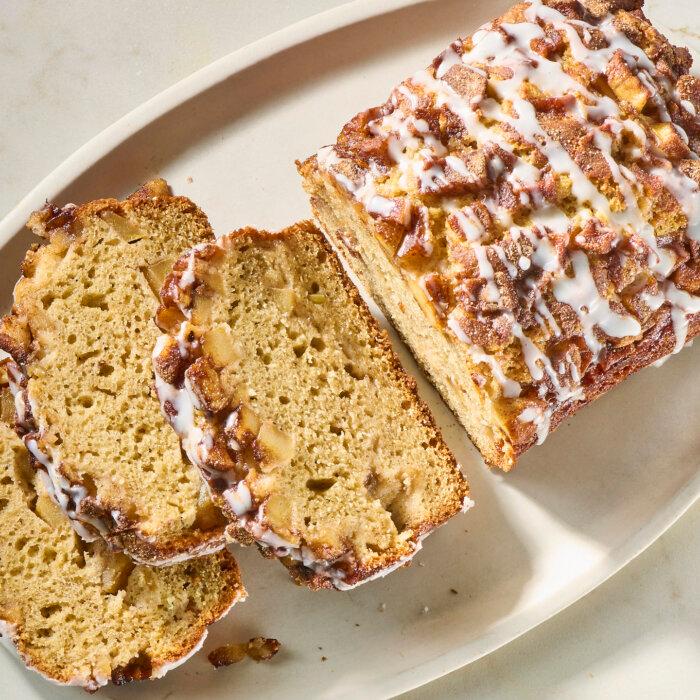
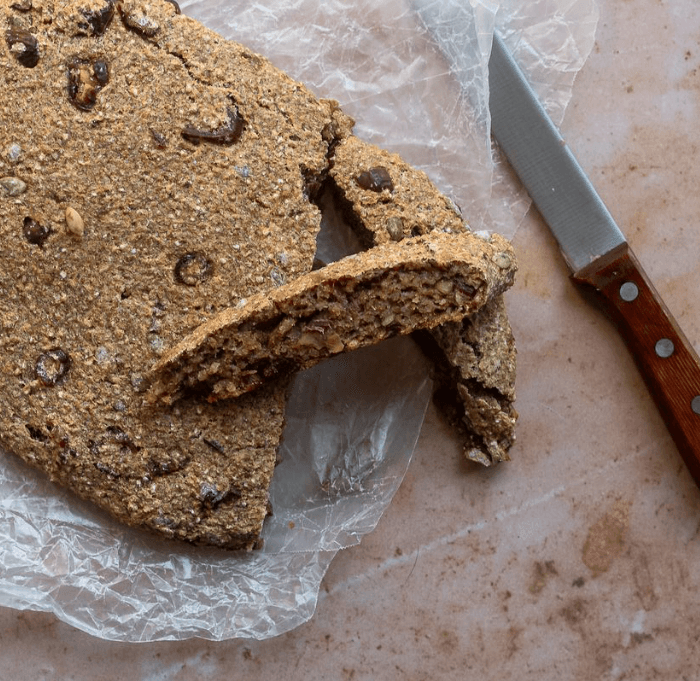
Bread is the perfect example. Bread has sustained humanity for thousands of years. It is foundational, biblical, and woven into nearly every culture. The problem isn’t wheat. The problem isn’t corn. The problem is what we did to them.
When white flour became the standard, mills stripped away the bran and the germ to create a product that would travel and store well. In removing those parts, they also removed the oils, minerals, vitamins, and living enzymes that made bread nourishing. Communities that relied on this new, refined flour soon began suffering deficiency diseases. Children were getting sick. People were dying.
The flour had been emptied so completely that the government eventually required mills to add synthetic vitamins back into it—chemical fortification not to make bread truly healthy but simply to prevent it from killing people immediately. We created a product that could sit on a shelf indefinitely, and in return, it slowly compromised the health of a nation.
Meanwhile, in my home, bread has become sacred again. We grind our own wheat and rye. We ferment our dough for long stretches so that the grains become digestible and the nutrients are available. Some of our customers even tell us that since eating our bread regularly, their cedar fever symptoms have eased—something that makes intuitive sense to me. When we eat food that carries the microbial fingerprint of the land we live on, our bodies recognize it. Our immune systems adjust. Our physiology responds.
This is how humans were designed to eat: food that comes from the environment around us, food that carries the intelligence of creation, food that informs our bodies rather than confuses them. Corn is not the enemy. Wheat is not the enemy. They are gifts from the Creator.
What harms us is not the grain. It is the severed relationship between people and the ecosystems that were meant to sustain us. My little jar of cedar berries taught me that. When we choose food that is alive, food that belongs to our place, food that honors the land rather than fights against it, we find ourselves nourished in ways modern convenience can never replicate.
Sometimes the simplest loaf of bread carries the oldest wisdom we’ve forgotten.