Last year around Thanksgiving, I did something that would raise eyebrows in today’s world: I spent several weeks drinking only raw milk. I wasn’t chasing a trend or attempting a diet experiment. It started with a simple question that kept tugging at me.
That question led me down a historical path—one far more surprising than anything I experienced physically. The most fascinating part wasn’t my raw milk fast; it was learning that the idea wasn’t new. In fact, it was once so conventional that it featured prominently in mainstream American medical practice.
Eventually, my curiosity led me to spend 18 days drinking only raw milk in November, and then 46 days during Lent. I consumed about a gallon a day. What happened to me is simply my personal experience, not a suggestion for others. More striking than the physical changes was the realization that this practice had once been widely known, openly discussed, and medically documented.
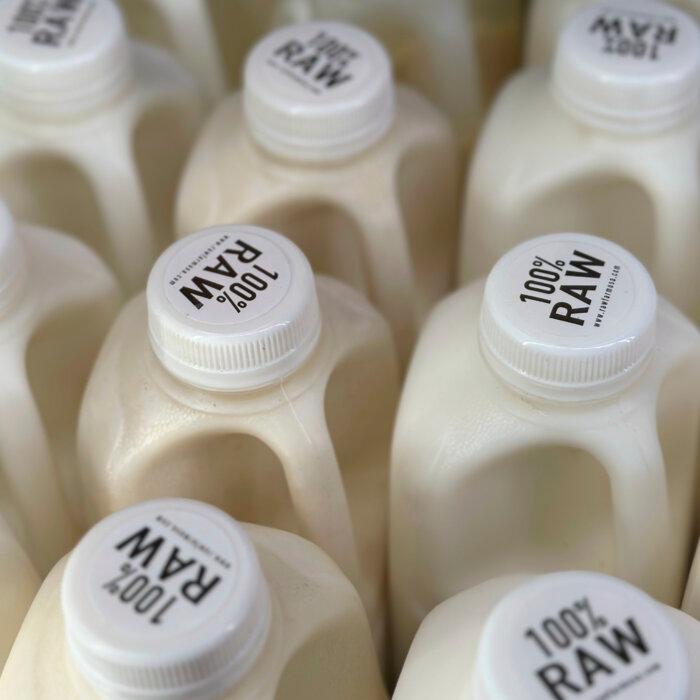
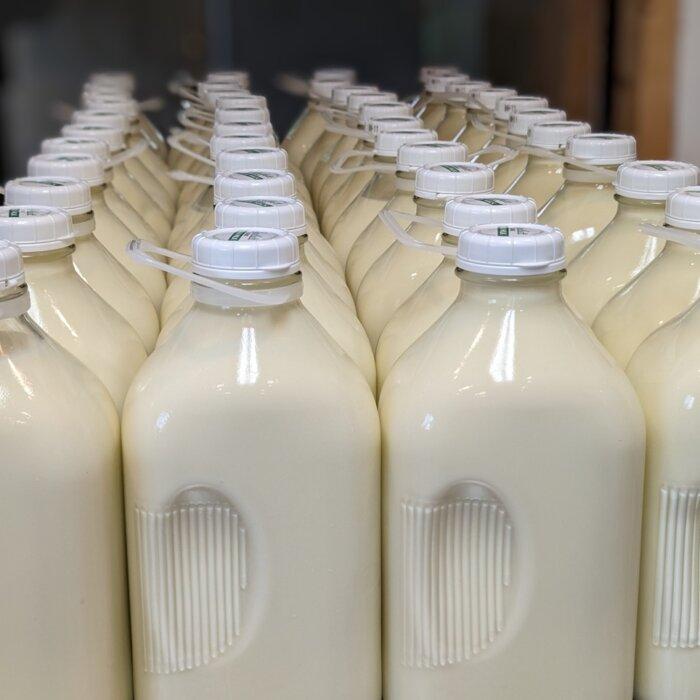
Crewe wasn’t the first to use this method. In the late 1800s, physicians such as Silas Weir Mitchell and James Tyson employed similar protocols. At the time, raw milk was considered a complete food, sometimes metaphorically described as “white blood” because of its enzymes, proteins, beneficial bacteria, fats, minerals, and other naturally occurring compounds.
Over nearly four decades, Crewe treated thousands of patients and published his observations. His descriptions reflected the medical understanding of his day. What stands out now isn’t any particular claim—but the scale and normalcy of the therapy. Raw milk was once a standard tool in a doctor’s repertoire, so common that its disappearance from modern conversation seems almost puzzling.
Understanding why it vanished requires looking at culture as much as science. In the early 20th century, pasteurization laws were introduced to address problems arising from the industrialization of the milk supply—urban dairies, overcrowded animals, and poor sanitation. These laws were meant for large-scale operations, not small, pasture-based farms. As food production shifted toward industrial models and medicine moved toward pharmaceutical approaches, raw milk simply faded from the mainstream. It wasn’t debated out of existence—it vanished as the entire system changed around it.
Today, most warnings about raw milk pertain to the risks of the modern industrial supply chain, not the kind of milk used by those earlier physicians. That distinction is rarely discussed—and its absence from public discourse is part of why this story is worth revisiting.
We now live in a time when chronic illness is widespread, autoimmune conditions affect millions, and highly processed foods make up the bulk of the average diet. Against that backdrop, it feels almost surreal to look back a century and see raw milk—whole, unprocessed, and direct from grass-fed animals—treated as a foundational food in medical practice.
Raw milk exists in nature for one purpose: to build and sustain life. Whether that holds relevance for adults today is a matter of personal belief, context, and choice. I can only describe the sense I had while drinking it—a feeling that I wasn’t doing something experimental, but rather returning to something deeply familiar.
Hippocrates’s famous line “Let food be thy medicine and medicine be thy food” is often repeated without much thought. But in its original context, it wasn’t metaphorical. It acknowledged that food carries information and structure, not just calories.
Maybe raw milk isn’t a miracle. Maybe it’s not the answer to every modern ailment. But that’s not the point. The point is that our predecessors worked with food in ways we rarely consider today—applying observations and knowledge that have largely been forgotten. Revisiting that history isn’t about prescribing a solution; it’s about expanding our understanding of the relationship between humans, nourishment, and the natural world.
Sometimes rediscovery isn’t about finding something new. It’s about remembering something old—something ordinary, simple, and rooted in how humans once understood the world and their place in it.