Viewpoints
Opinion

The Food Crisis Is a Farm Crisis

The Food Crisis Is a Farm Crisis
Cows graze on a farm in Petal, Miss., on Sept. 24, 2025. John Fredricks/The Epoch Times
|Updated:
0:00
Commentary

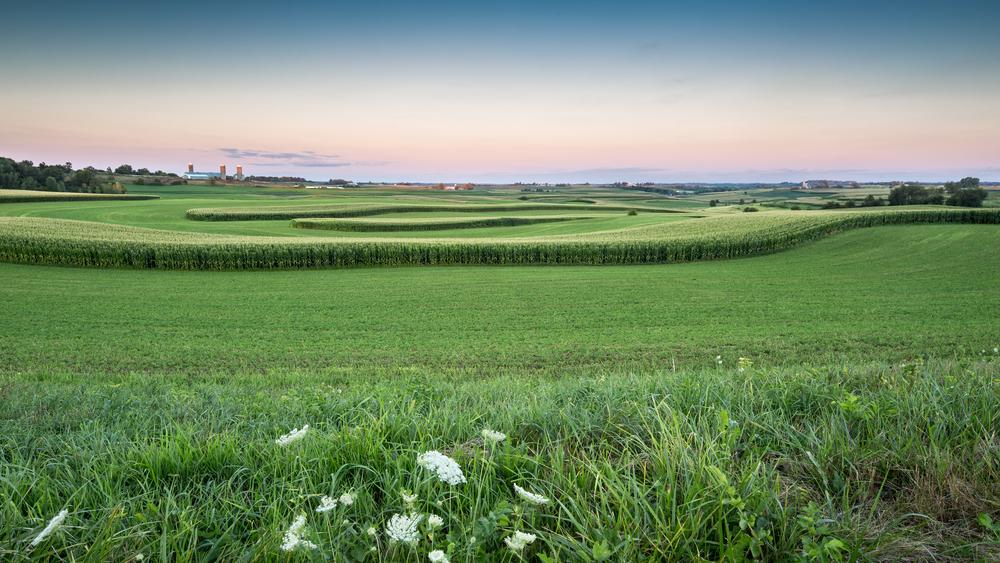
Food has been in the news a lot lately. On the one hand, the United States is in the midst of a catastrophic farm crisis that has destroyed some 63 farms a day since 2017, most of them small family farms, and has accelerated in 2025.

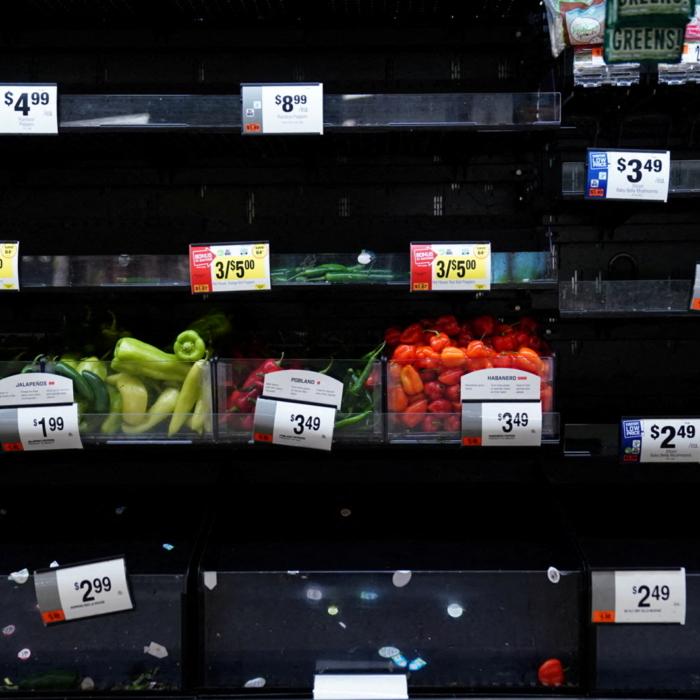
On the other hand, the government shutdown, with its imminent threat to SNAP benefits, is highlighting the precarious state of food security. If these benefits are halted, tens of millions of people—nearly half of them children—will face hunger. This is in addition to the 18 million households that, according to the most recent U.S. Department of Agriculture data, already suffer food insecurity.

It is a tragic irony that so many in our country cannot afford food, while the farm economy is collapsing in part because of low commodity prices.

Government agencies, particularly the USDA, can do a lot right now to alleviate the immediate crisis—or to make it worse. Depending on how it is implemented, a farm bailout can further enrich and consolidate the largest corporate farms, or it can rejuvenate the nearly 2 million small and family-run farms that are the backbone of a resilient and prosperous farm economy.

A coalition of MAHA-affiliated groups sent a letter, dated Oct. 24, to Secretary of Agriculture Brooke Rollins, urging the USDA to take the latter course. The letter outlines seven policy areas for immediate and sustained action that will not only rescue the small farmers who are hurting the most but will also increase consumers’ access to healthy, affordable food. It calls for:
  • Redirecting a significant portion of direct USDA commodity crop purchases to independent producers of organic, regenerative crops and pasture-raised meat.
  • Restoring recent cuts to USDA programs that benefit small farms by connecting them directly with schools, child care centers, food banks, and other institutions to provide healthy food directly to children and the needy.
  • Supporting American farmers to meet the massive consumer demand for organic food, a market that is being lost to foreign producers.
  • Restoring canceled Natural Resources Conservation Service funding to farmers engaged in soil regeneration and water protection. Most of them are small operations that depend on this funding. Healthy soil is the foundation of human health and the food sovereignty of a nation.
  • Ensuring that bailout funds don’t just go to soy, corn, and wheat growers, but also to those raising wholesome food for American families: fruit, produce, and other crops.
The 120 signers of the letter are not classical environmentalists. They represent activist organizations who understand that chemical-laden, ultraprocessed food grown in nutrient-depleted soil—the kind of food that giant corporate farms produce—is fueling America’s chronic disease epidemic. Among the signers are also many experienced farmers, who have experienced firsthand the perversity of the current system of regulations and subsidies.
The letter is accompanied by a citizen petition that any concerned individual can sign. People have become cynical about the efficacy of petitions, but this one has the potential for real impact. Why? Because food system reform is not a partisan issue. Many petitions represent one or another side of the political spectrum exercising its outrage. This issue can unite conservatives who cherish the ideal of the family farm, liberals who seek to counter the power of big corporations, and any compassionate person who cares about safe, healthy food.

The current crisis in food and farming is an intensified phase of a long-simmering emergency. The United States has lost 162,000 farms since 2017, and farm consolidation and corporatization go back even further. At this moment of heightened public attention, we have the opportunity to chart a new course for American agriculture. Rollins can begin that process. Then it will be up to Congress to implement pro-small farmer, pro-soil regeneration, and pro-healthy food policies in the upcoming farm bill.

Views expressed in this article are opinions of the author and do not necessarily reflect the views of The Epoch Times.
Google LogoMark Us Preferred on Google
Charles Eisenstein
Charles Eisenstein
Author
Charles Eisenstein is a philosopher, author, and public speaker best known for his thought-provoking books on civilization, consciousness, money, and ecology, including “The More Beautiful World Our Hearts Know Is Possible and Sacred Economics.” With a background in mathematics and philosophy from Yale and a lifelong quest to understand humanity’s spiritual and systemic crises, he writes from a place of deep inquiry, humility, and hope.