One reader wrote: “The problem wasn’t second-wave feminism. The mistake was first-wave feminism. Once women were given the vote, they began voting for safety over freedom. And safety is the enemy of American values.”
As a woman, a business owner, a landowner, a mother, and someone who values my voice in civic life, I was shocked at myself for even considering that idea seriously. I believe that women should vote. My life and work demand participation. My contribution to society is real, measurable, and rooted in responsibility rather than ideology. So to feel a flicker of agreement with a sentence that would have once offended me said more about the current state of our culture than about any shift in my core values.
Still, there are moments when I can understand why some argue otherwise. There are patterns, tendencies, and impulses worth examining. Not because I am abandoning the belief that women should vote, but because I believe that it is intellectually unhealthy to refuse to examine ideas simply because they disrupt our assumptions. We should have the courage to sit with uncomfortable truths, even when they rub up against deeply held beliefs. Sometimes growth begins as discomfort.
Women do tend to vote differently from men, and much of that difference is biological. Women are wired to protect. We sense danger early. We carry life inside us. We nurture the vulnerable. Historically, that instinct ensured survival. We don’t erase that programming simply because we live in a modern world with different external threats.

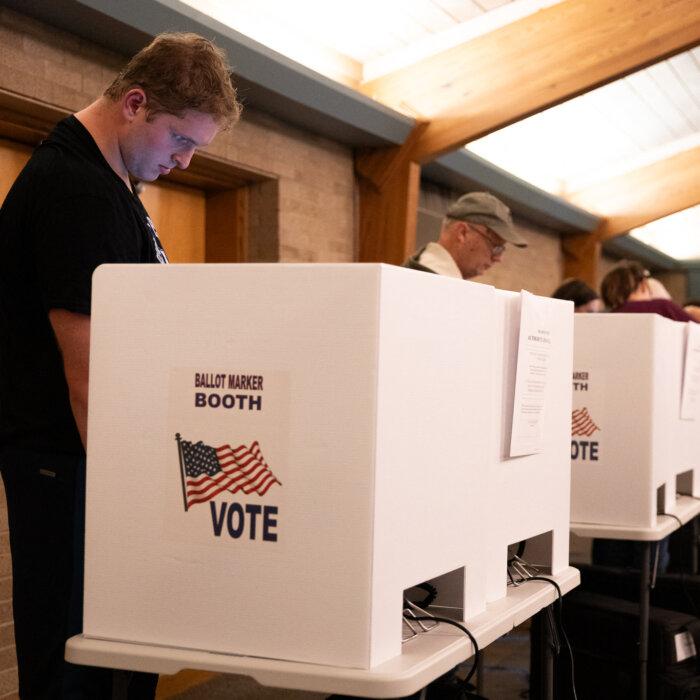
But as that thought stayed with me, another layer revealed itself. If women reliably vote for safety, then why do so many women vote for abortion rights? That is not a vote for safety, certainly not for the unborn child. However, it is a vote for comfort. It is a vote against inconvenience, against the demands and sacrifice of motherhood. In a strange way, that fact contradicts the initial claim and reveals something deeper: Many people today are not voting based on safety, but based on ease.
And once that became clear, the conversation shifted entirely. This is not fundamentally about women versus men. It is about comfort versus freedom.
The larger point is the pattern: Both men and women are increasingly seeking emotional comfort or perceived safety rather than principles or freedom.
Many people today vote the same way. They seek government intervention, security, and dependency rather than autonomy or responsibility. A culture without strong character, without expectations of resilience, and without meaningful consequences produces citizens who look to the state for protection and permission rather than looking inward for strength and direction.
So this debate is not about gender. It is about national character and how we participate in civic life.
Benjamin Franklin warned, “Those who would give up essential liberty to purchase a little temporary safety deserve neither liberty nor safety.” Freedom has never been comfortable. It demands sacrifice, responsibility, and a willingness to live without guarantees. Government-issued safety, on the other hand, requires dependency and eventually compliance.
As I continued wrestling with these ideas, another connection surfaced. We have forgotten how to steward freedom in the same way we have forgotten how to steward land.
In Genesis, God’s first instruction to humanity was not about worship or governance, but stewardship. Tend the garden. Care for what you have been entrusted with. Cultivate it forward.
Today, instead of building soil, we spray chemicals. Instead of saving seed, we purchase genetically engineered ones. Instead of learning skills, we outsource responsibility to systems. We have done the same thing with self-governance. We have outsourced sovereignty to bureaucracies and political systems in exchange for comfort and convenience.
For much of U.S. history, voting required responsibility and investment. Today, in some places, voting requires nothing—not even identification. We have created a culture in which many demand rights without responsibility, benefits without contribution, and representation without sacrifice.
So the question isn’t whether women should vote. The real question is whether any of us—men or women—still vote like people who understand that freedom is fragile and requires stewardship.
A healthy society requires the balance of masculine and feminine qualities: justice and mercy, courage and compassion, discipline and nurture. Both are necessary. Civilization collapses when either side is missing.
I ultimately landed on this conclusion: Voting should not be divided by gender, but grounded in responsibility. Both men and women must return to voting with freedom, not comfort, as the priority. We must choose limited government, personal responsibility, sovereignty, and resilience over dependency and convenience.
We are not meant to be ruled by government. We are meant to steward a nation in the same way we steward soil—with reverence, courage, vision, and the understanding that what we cultivate now becomes the inheritance of future generations.
The question was never simply whether women should vote.
The question is whether we remember how to vote like free people at all.