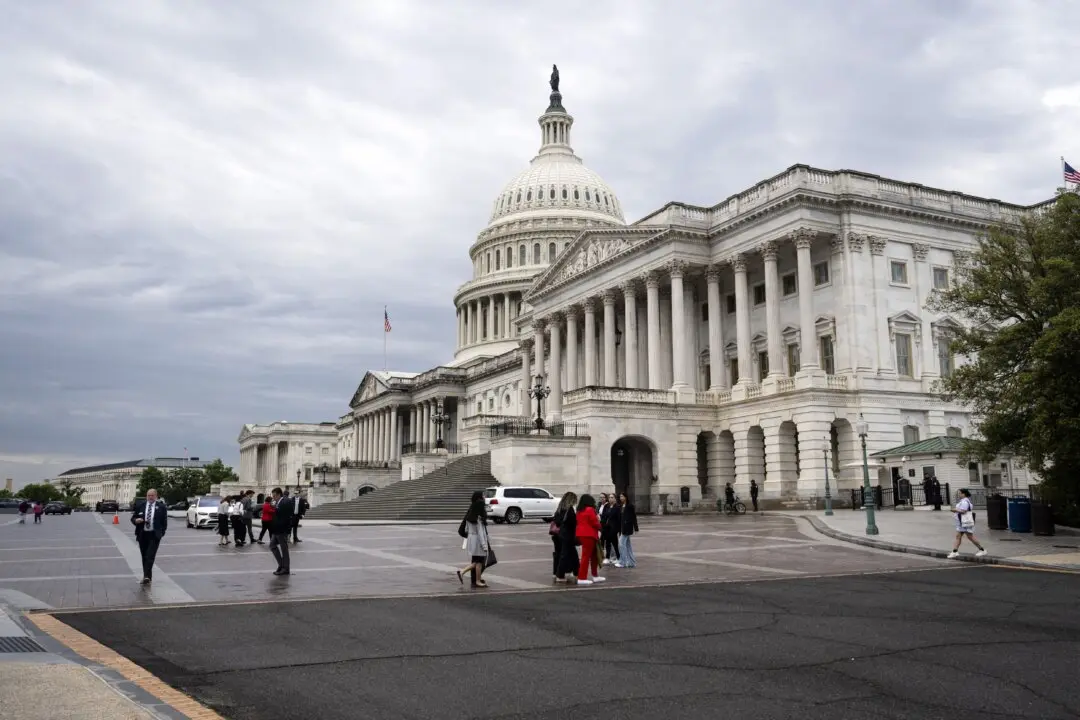
Congress recently held a hearing examining waste, fraud, and abuse in the Supplemental Nutrition Assistance Program. The purpose was to evaluate whether the nation’s largest nutrition program is accomplishing its mission while responsibly stewarding taxpayer dollars.
The exchange that spread across social media, however, wasn’t about fraud. It was about Coca-Cola.
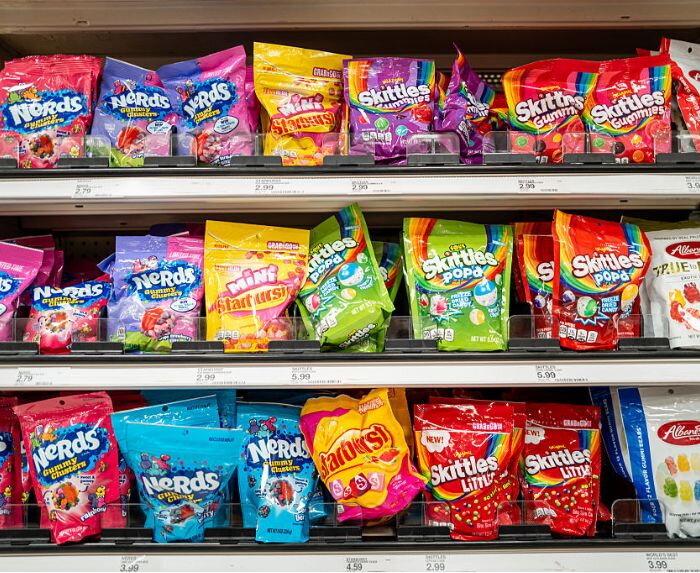
Rep. Brandon Gill of Texas questioned Gina Plata-Niño, deputy director of the Food Research & Action Center, about whether taxpayer dollars in a nutrition assistance program should be used to purchase sugary soft drinks. Gill asked what nutritional value Coca-Cola provides and whether drinking soda makes Americans healthier.
After several rounds of questioning, Plata-Niño responded that she would not answer because “there’s no data sort of proving that.” Gill replied, “Do you need data to determine whether drinking soda is healthy?”
The exchange quickly became framed as a debate about freedom, as if questioning whether SNAP should purchase soda is the same as arguing Americans shouldn’t be allowed to drink it.

Those are two entirely different conversations.
No one is proposing that Americans lose the freedom to drink soda.
We have the freedom to drink soda. That does not create a government obligation to provide it through a taxpayer-funded nutrition program.
We have the constitutional right to keep and bear arms. That doesn’t mean the government is responsible for buying every American a firearm.
We have the freedom to own a car. That doesn’t mean taxpayers should purchase one for everyone who wants one.
Government decides every day what public money will and will not purchase. That isn’t an assault on freedom. It’s budgeting.
I’m not arguing that we shouldn’t help families struggling with hunger. Hunger is real, and many Americans genuinely need assistance. My point is different. If Congress creates a program called the Supplemental Nutrition Assistance Program, then nutrition cannot simply be part of the title. It has to be part of the outcome.
SNAP is the largest title in the Farm Bill, costing roughly $100 billion each year. Various analyses estimate that billions of dollars in SNAP benefits are spent annually on sugar-sweetened beverages. During the same hearing, lawmakers also discussed billions more in improper payments and ongoing fraud.
I have a hard time accepting the argument that billions spent on soda and billions more lost to waste are simply the unavoidable cost of feeding Americans.
What surprised me most was the suggestion that there isn’t meaningful evidence regarding sugary drinks. There is a substantial body of research examining sugar-sweetened beverages and their relationship to obesity, type 2 diabetes, dental disease, and other health outcomes.
Public health agencies have recommended limiting added sugars for years. Reasonable people can disagree about what policy should follow from that evidence. Pretending the evidence doesn’t exist is something else entirely.
On my ranch, I participate in USDA conservation programs through NRCS. The government doesn’t simply send me a check and hope something good happens. I have to demonstrate results. Soil testing is required because healthier soil is the program’s purpose.
That’s how accountability works.
If healthier soil is the goal, healthier soil should be measured. If cleaner water is the goal, cleaner water should be measured. If nutrition is the goal, nutrition should be measured.
That principle extends far beyond SNAP.
Too often government programs are evaluated by how much money they spend, how many people enroll, or how many benefits they distribute. Those numbers tell us the size of a program. They don’t tell us whether it solved the problem it was created to solve.
Federal nutrition programs grew out of legitimate concerns about hunger and malnutrition. Those concerns were real, and helping hungry families remains a worthy goal. Today’s challenge, however, looks different. Calories are abundant. Yet obesity, diabetes, metabolic disease, and poor nutrition remain widespread, including among many Americans receiving nutrition assistance.
That should prompt an honest conversation.
Have we addressed one problem while allowing another to grow? Has the program evolved as our understanding of nutrition has evolved? Are we willing to measure whether the program’s stated purpose is actually being achieved?
Every budget reflects priorities. Every dollar appropriated says something about what government values. Imagine if even a portion of the billions currently spent on sugar-sweetened beverages were redirected to help farmers produce more nutrient-dense food, strengthen regional processing, support diversified farms, improve local food systems, or expand regenerative agriculture. Those investments would also be made through the Farm Bill, but they would move us closer to the outcome the program claims to pursue.
This hearing was about more than soda. It exposed a broader habit in government. We become attached to programs, budgets, and intentions, and increasingly reluctant to ask whether the promised outcome has been achieved.
We the people deserve more than programs with good intentions. We deserve programs that are willing to measure whether they accomplished the purpose for which they were created. If nutrition is in the name, nutrition should be part of the outcome. If the evidence changes, policy should be willing to change with it.
That isn’t cruelty. It isn’t an attack on freedom. It’s accountability, and accountability is one of the greatest forms of respect a government can show the people it serves.