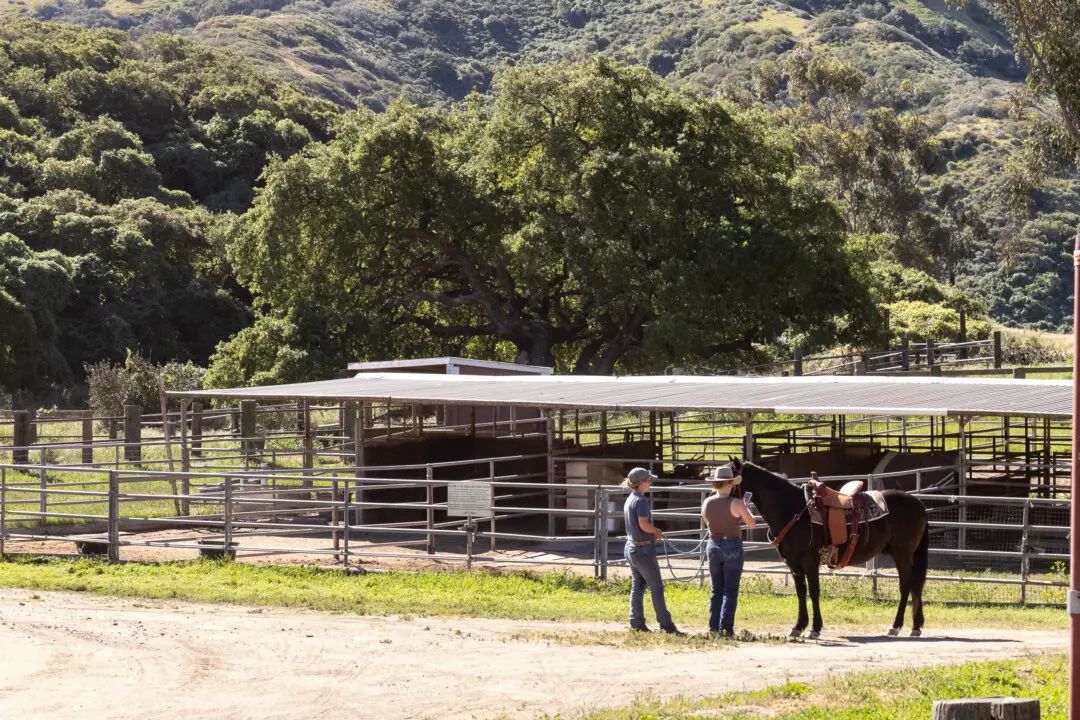
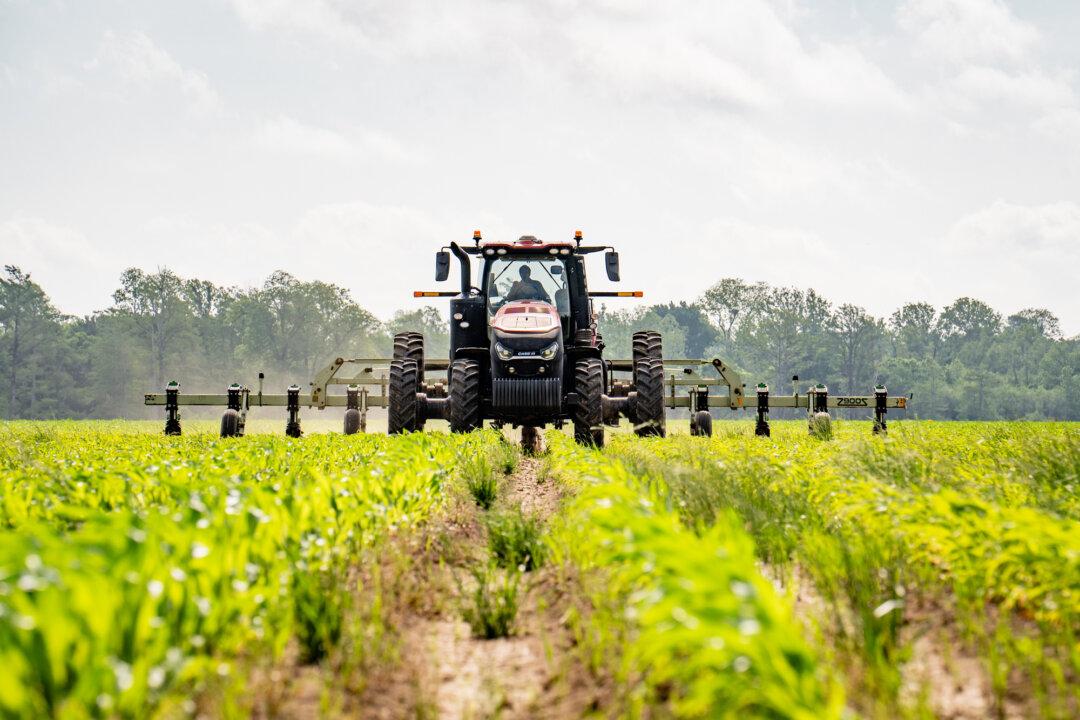
People often ask me why those who live outside cities tend to resist regulation and government interference more instinctively. Many assume the divide must be political—Republican versus Democrat, conservative versus liberal, red versus blue. But the real distinction is far simpler and far more human: When you live rurally, you must take responsibility for more of your own life, and responsibility changes you.
In an apartment building, condo, or planned community, infrastructure is invisible. Water flows, heat arrives, lights turn on, and trash disappears as if by default. When something breaks, a maintenance system absorbs the disruption. Out here, there is no absorbing. If my well breaks, we have no water until I can afford to fix it. If the pump fails, there’s no backup line—we go without. There is no municipal trash pickup where I live—we haul our own waste. There is no centralized sewage—just the septic tank we maintain ourselves. There are no natural gas lines—only the propane tank we fill when it runs low. Even electricity has limits: we have power, but not three-phase, and running commercial-grade three-phase service to the ranch would cost close to a quarter of a million dollars. When infrastructure fails here, the system doesn’t swoop in. We do. Or we sit in the consequences of the delay.
And scarcity of services creates skills. It can take weeks to get a veterinarian out here—if you can find one at all. So we learn how to care for animals ourselves. We treat infections, stitch wounds, deliver calves, and study animal health, not because we want to play veterinarian, but because waiting isn’t an option when a life depends on it. We grow our own food because stores are far. We fix tractors and equipment because mechanics are farther. We solve problems not because we romanticize self-reliance, but because life requires it.
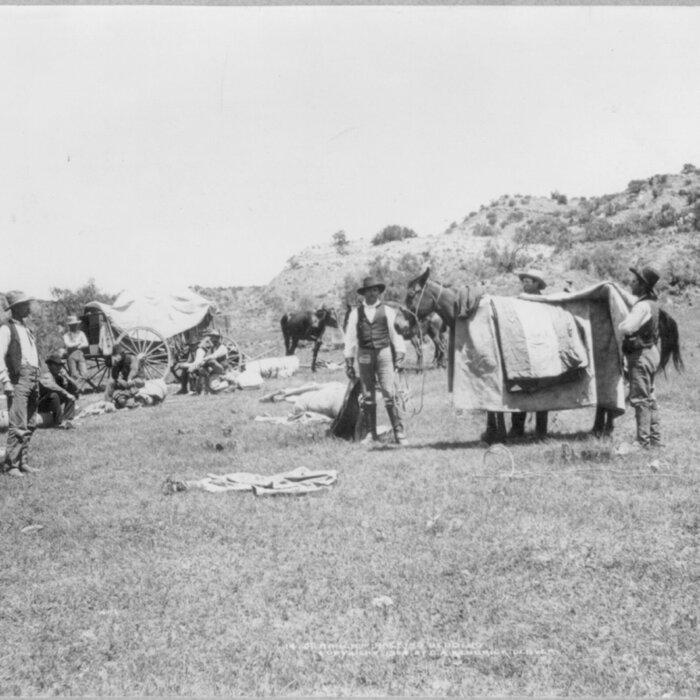
This difference in responsibility isn’t new—it’s generational. Before 1936, most of rural America had no electrical grid. The Rural Electrification Act changed that by funding power lines to communities outside cities. But by the time it passed, urban households had already enjoyed electric service for nearly 50 years. Cities were electrified first by private and municipal development. Rural areas received electricity later, and by government subsidy. The country didn’t invent electricity—but it retained the memory of what life felt like before systems were centralized, serviced, and assumed. And memory matters. When you’ve once had to provide for yourself, even imperfectly, you understand that freedom and responsibility are not opposites—they’re the same spine.
Responsibility teaches ownership. Ownership teaches consequence. And consequence shapes how you see the world. When you are responsible for your own water, power, land, animals, waste, repairs, and food, you begin to understand a deeper truth:

Responsibility equals freedom, because it removes the illusion that someone else will save you from the cost of your own life.
This is also why I believe homeownership matters far beyond the financial. When a person owns even a small piece of land or a home, they feel the consequence of maintaining it. They understand that interference comes with cost, that dependency creates fragility, and that freedom requires competence. When you don’t feel ownership—when life feels temporary, serviced, and maintained by someone else—you are more likely to vote for the continuation of the system that takes care of you. Not because you lack intelligence, but because you lack consequence.
As we move into a world where fewer and fewer people own homes, and where the average age of first-time buyers keeps rising, we should expect the psychology to shift with it. If the home comes later, the instinct for self-care comes weaker. And when self-care is weak, dependence feels safe, even when it costs freedom.
The country doesn’t make you noble. It makes you aware. It reminds you that systems don’t run themselves. That animals don’t heal by policy. That water doesn’t flow by committee. That trash doesn’t vanish by ideology. That food doesn’t grow by mandate. And that tractors don’t repair themselves by regulation.
When you live responsible for the infrastructure of your own life, you understand that freedom is not handed out—it is defended by capability.
The tragedy isn’t that we disagree. It’s that so many have forgotten what it felt like to be responsible for their own infrastructure. We have raised generations who have never had to fix their own water, haul their own waste, or doctor their own animals. We have built a society where dependence is invisible—until it breaks.
The solution is not to shame dependence or mythologize independence, but to recognize the deeper pattern:
The more responsibility we carry for our own lives, the more reverence we develop for the freedom it protects.
Freedom is not the absence of structure—it is the presence of consequence.
And consequence, unlike narratives, cannot be hidden. It is lived.