Commentary
I was reading an academic paper recently that made me pause. It was discussing something called the “third space” or “third place” and its quiet disappearance from modern life. I had never encountered the term before, but the more I read, the more I realized it was describing something many of us are feeling without having language for it. The paper was not simply sociological. It focused on the brain, on neurological health, and on how the loss of these spaces is affecting our sense of connection, safety, and belonging.As someone who is deeply interested in community and real human connection, this immediately captured my attention. I wanted to understand what the paper was actually talking about, especially for those who may not be familiar with the concept.
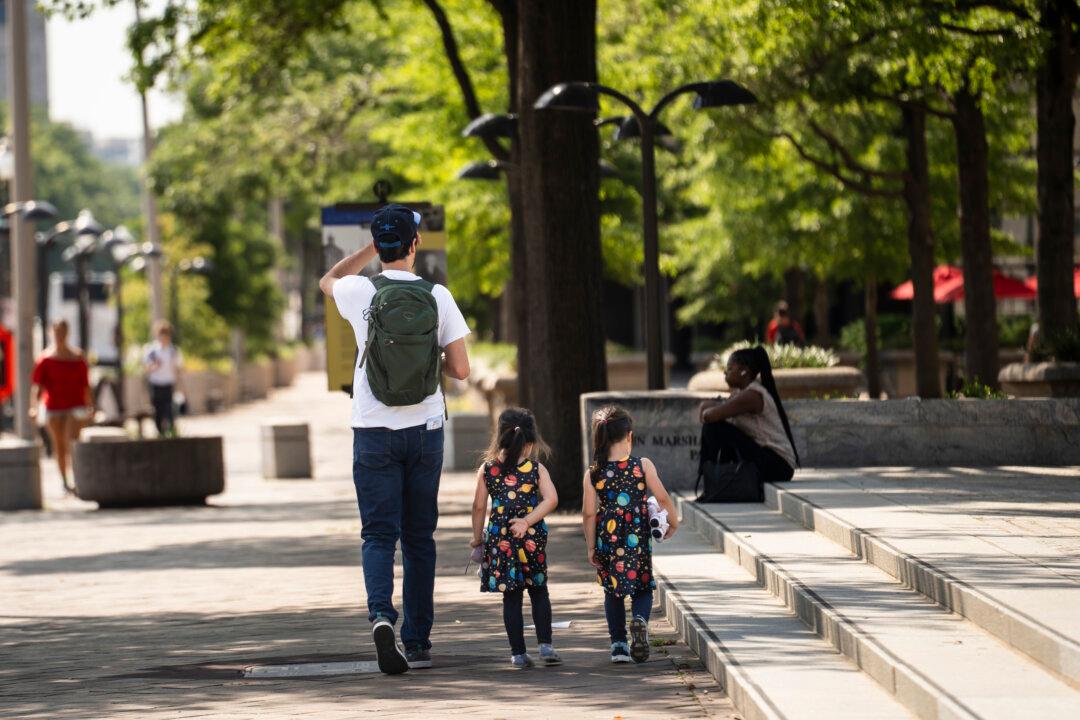
The idea is simple. The first space is home. It is where our domestic identity lives. Family, rest, intimacy, and routine. The second space is work. It is where we contribute, produce, and create value. The third space exists in between. It is the neutral, shared place where people gather informally, without obligation or performance. Historically, these were cafés, churches, town squares, barber shops, libraries, local diners, pubs, and markets. Places where you could show up, be recognized, and belong without needing to achieve or prove anything.
What struck me most in reading this research was how essential these spaces are for neurological health. The brain depends on low-stakes, embodied social interaction. Eye contact. Familiar faces. Casual conversation. Shared laughter. These interactions activate the part of the nervous system associated with safety and connection. They help regulate stress. They pull us out of constant vigilance and threat detection.
Third spaces also offer something many of us are now missing: identity flexibility. They are places where we are not reduced to our roles—not just a parent, not just a worker. We are simply human among other humans. Without that middle space, identity collapses inward. Life becomes dominated by home and work alone. The brain narrows. Thinking becomes more rigid. Anxiety and loneliness increase, even when we are constantly connected online.
As I sat with this, I realized something uncomfortable. Many of us, myself included, no longer have a third space. And in many cases, we have also lost the second space entirely.
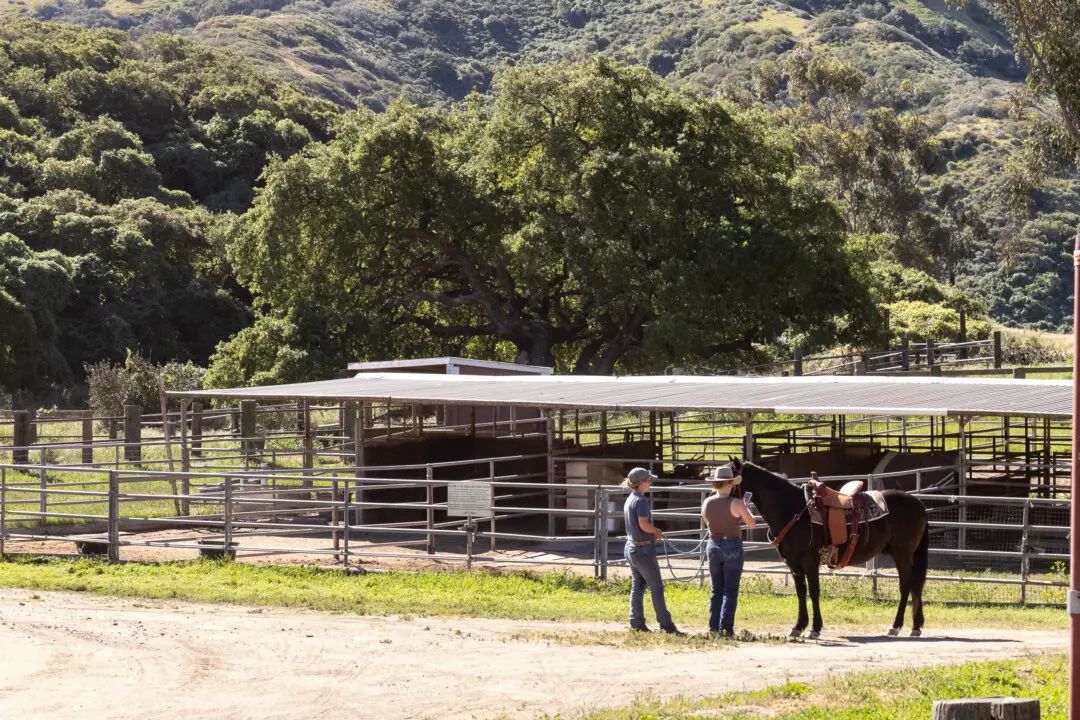
I work from home. I live where I work. I host where I live. My domestic identity, my work identity, and my social identity are all compressed into the ranch. There is very little physical or neurological separation. The nervous system never fully resets. Home is no longer purely restorative, and work never truly ends.
In some ways, public speaking, conferences, and book signings have become my second space. When I travel, when I step outside the land, I feel that shift. But that realization led me to a deeper question. If I am missing a third space, how many others are as well?
And more importantly, can we intentionally create one?
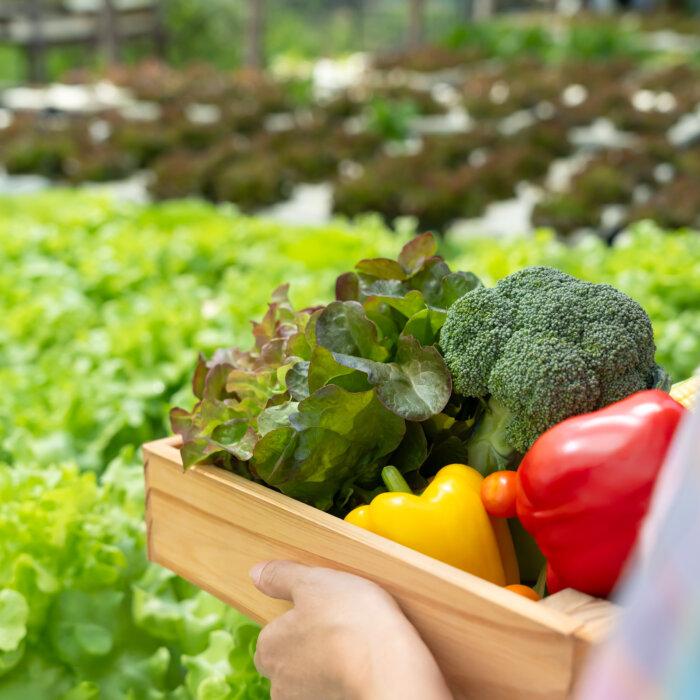
I have always believed that land, food, and shared meals are powerful connectors. We have a ranch. We have a restaurant. We have a place where people come to eat, to gather, and to feel welcomed. But this research pushed me to think more carefully. Is it enough to simply have a space? Or do we need to create containers within the container?
A true third space rarely happens accidentally anymore. It has to be designed with intention. It needs rhythm and consistency. It needs repetition without rigidity. Something that draws people out of their homes and into relationships. Something that says, this happens here, regularly, and you belong.
That is when the idea of monthly gatherings began to take shape. Regular events that build familiarity and trust. Spaces where people can show up, be seen, be heard, and engage in real conversations in the physical world.
In a recent conversation, Jeffrey shared something that stayed with me. At first, he admitted, he felt frustrated as more and more cities wanted to host supper clubs. It felt like dilution. But then he realized what was actually happening. This idea he was committed to was now taking on shape, form, and experience in the real world. Once he saw it that way, he understood that it was not something to resist but something to embrace.
I am grateful that our ranch gets to be one of the places where that commitment takes physical form.
I want to invite people to consciously create third spaces in their own communities. We live in a world where we are constantly told that emails, social media, and text messages count as social interaction. Part of the brain may feel temporarily stimulated by this, but it is not the same thing as nourishment. There is something essential about being physically present with another person: a hug, a firm handshake, looking someone in the eyes, sharing space and time together. Our nervous systems know the difference, even if our culture pretends otherwise.
I will continue creating spaces for people to gather around different interests and commitments, with the hope that the offerings are appealing enough to help us step out of routine and back into community. But this cannot rest on one place or on one table alone.
I invite everyone to do the same. Create these spaces where you live. And if you are not in a position to host, then at the very least show up when someone else in your community is brave enough to create the opportunity.
We are starting in the cold and quiet season, with the hope that something living can grow throughout the year. But beyond any single event, what matters most to me is the larger truth this research revealed.
What could be more important right now than gathering? Than discussing society face-to-face? Than forming relationships that exist beyond screens and algorithms?
The disappearance of the third space has left people lonely, anxious, polarized, and untethered. Rebuilding it is not nostalgia. It is neurological. It is cultural. It is human.
This is where we are starting—around a table, in a place where people are known, and with the hope that the third space can be reclaimed.