Scarborough Shoal Standoff
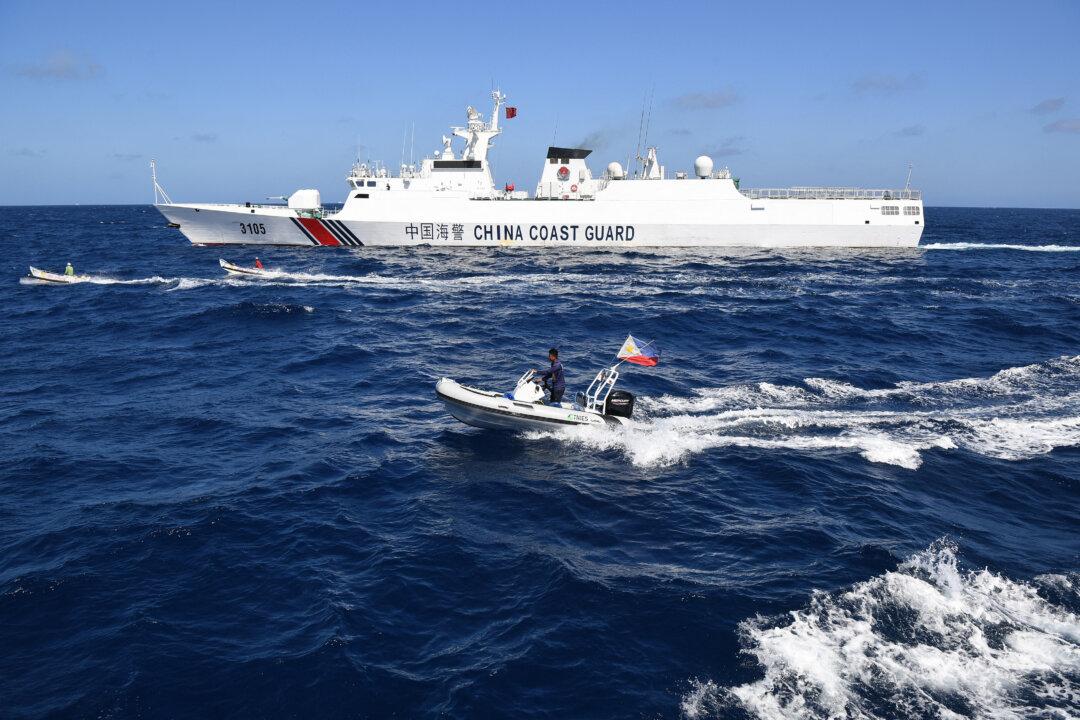
Since taking effective control of Scarborough Shoal in 2012, China has repeatedly been involved in incidents that damaged Philippine vessels and injured Filipino personnel. In 2026, Beijing significantly stepped up its patrols and enforcement activities around the disputed shoal.Satellite imagery released in late May showed China deploying a floating barrier at the entrance to the lagoon, preventing Filipino fishermen from accessing traditional fishing grounds.
Unable to counter China on its own, the Philippines has increasingly relied on its treaty ally, the United States. Washington, for its part, has strongly opposed China’s actions and incorporated support for Manila into its broader Indo-Pacific strategy.
Under the U.S. National Defense Authorization Act for fiscal year 2026, Congress authorized up to $2.5 billion in foreign military financing and up to $1 billion in military sales loans for the Philippines—the largest U.S. military assistance package Manila has received since the Cold War.
At Scarborough Shoal, U.S.–Philippine military cooperation has become increasingly visible. On Jan. 25–26, U.S. Indo-Pacific Command and the Armed Forces of the Philippines conducted their first Maritime Cooperative Activity of the year near the shoal, the 11th such operation since the mechanism was launched in 2023.
From May 26 to May 30, the U.S. Coast Guard and Philippine forces carried out their first joint patrol near Scarborough Shoal.
The issue has also drawn direct attention from Washington. Speaking before the Senate Foreign Relations Committee on June 2, U.S. Secretary of State Marco Rubio said the matter is raised in every engagement with Chinese officials.
“We’re very concerned about recent activity, once again, near Scarborough,” Rubio said, citing China’s recent activities and apparent efforts to reinforce territorial claims through infrastructure development.
He reiterated Washington’s long-standing position that such claims lack legal basis and highlighted continued U.S.–Philippine military cooperation aimed at strengthening regional deterrence.
Beijing Targets Philippine Defense Chief
As conflict in the Middle East disrupted global energy supplies this spring, China supplied the Philippines with more than 260,000 barrels of diesel fuel and held talks on providing urea fertilizer. The moves appeared aimed at easing tensions but produced little political benefit.At the Shangri-La Dialogue security forum, Philippine Defense Secretary Gilberto Teodoro told Reuters that the Philippines continues to face a serious threat from China, dismissing Beijing’s assistance as short-term gestures lacking genuine commitment.
“We have no choice but really to be resilient and stand up against Chinese aggression,” Teodoro said.
On June 2, China’s Foreign Ministry accused him of undermining efforts to stabilize bilateral relations. The following day, Philippine media reported that Teodoro and his family had been placed on a Chinese entry blacklist and could face asset freezes.
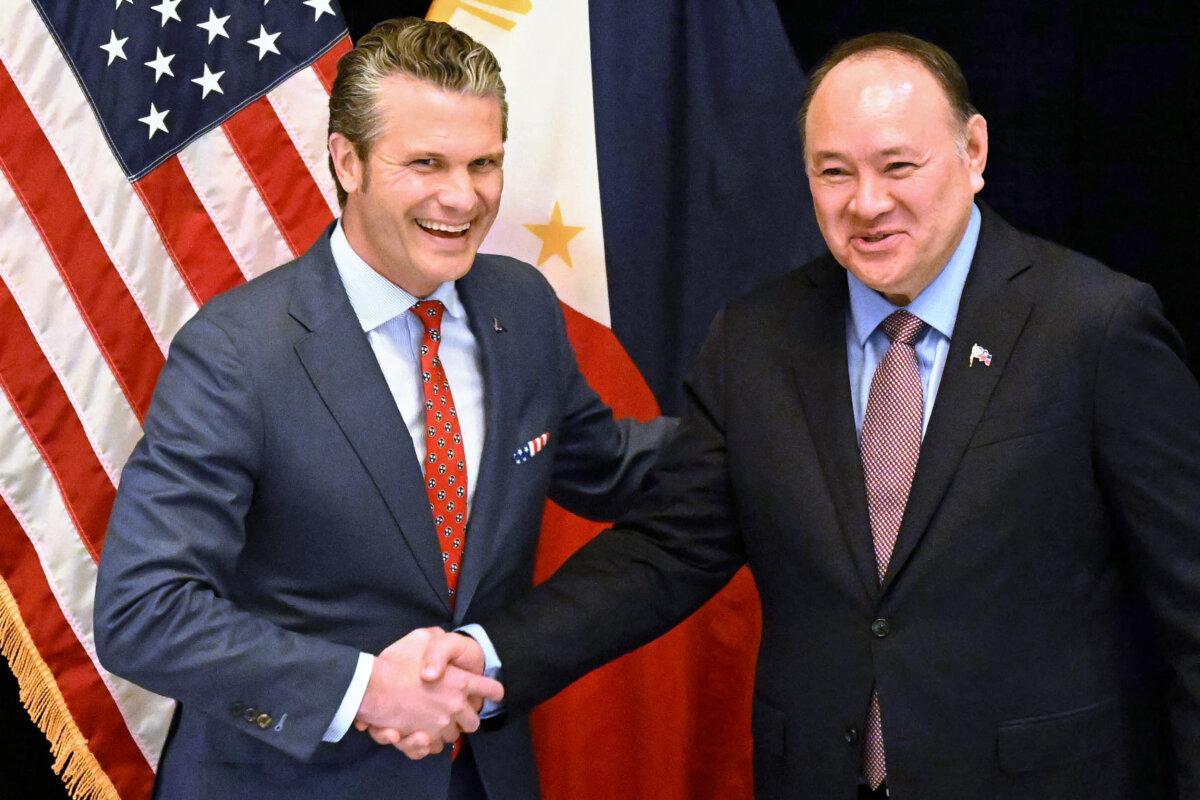
Teodoro responded bluntly: “I have no assets in China and I have no intention of going there.” He added that although he appreciates Chinese food and people, the government’s behavior overshadows those positives. Teodoro, whose ancestors emigrated from China generations ago, expressed gratitude that they settled permanently in the Philippines.
The defense chief has become one of Beijing’s most outspoken critics. In May, he oversaw a raid on Philippine Sanjia Steel Corp., a Chinese-linked firm near a Philippine Navy dry dock. Authorities arrested 69 Chinese nationals on illegal employment charges, citing potential national security risks. The company’s former chairman, Tony Yang, had ties to Alice Guo, the former Bamban mayor convicted on human-trafficking charges and accused of links to Chinese intelligence.
A Diplomatic Winning Streak
The Philippines has also scored a series of diplomatic successes in 2026.As ASEAN’s rotating chair this year—and with 2026 marking the 10th anniversary of the landmark South China Sea arbitration ruling—Manila has shown little sign of softening its position toward Beijing.
The 2016 arbitration ruling rejected China’s expansive maritime claims and upheld the Philippines’ rights under international law. However, China has refused to recognize the ruling and has continued asserting its South China Sea claims.
First, closer ties with the United States.
On April 16, Washington announced plans to develop a 4,000-acre industrial hub in the Luzon Economic Corridor after Manila joined the U.S.-led “Pax Silica” initiative aimed at securing artificial intelligence and semiconductor supply chains.
Compared with strategic investments of this scale, Chinese offers of fuel and fertilizer carry far less weight.
Second, a major upgrade in relations with Japan.
On May 28, Philippine President Ferdinand Marcos Jr. met Japanese Prime Minister Sanae Takaichi in Tokyo. The two countries elevated relations to a comprehensive strategic partnership and agreed to begin negotiations on a military intelligence protection agreement.
They also launched talks on the delimitation of their exclusive economic zones and continental shelves. Japan is expected to provide the Philippines with various defense equipment, including frigates, anti-ship and air-defense missiles, and armored vehicles.
In a notable first, Tokyo and Manila jointly expressed concern over stability in the Taiwan Strait.
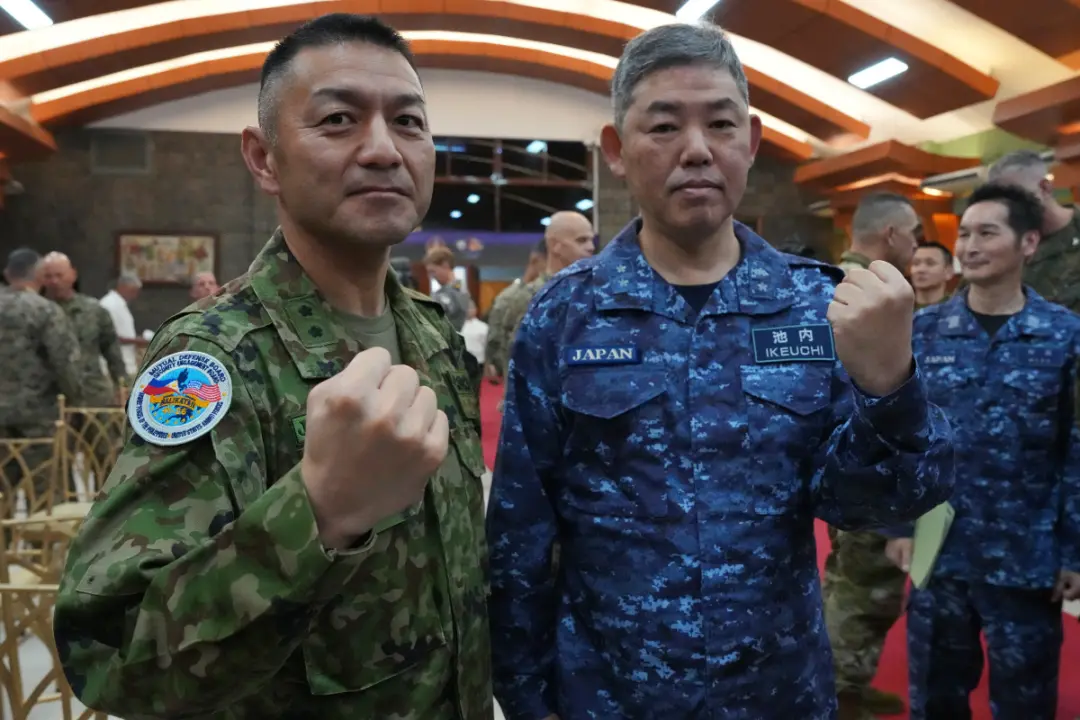
Military cooperation has accelerated as well. During the Balikatan 2026 exercises, Japan participated in a combat role for the first time and fired a Type 88 anti-ship missile that sank a target vessel. This was the first time postwar Japan launched an offensive missile outside its territory.
Together, these developments underscore the rapid expansion of U.S.–Japan–Philippines security cooperation.
Third, stronger ties with Vietnam.
From May 31 to June 1, Vietnam’s top leader made the first-ever visit by a Vietnamese Communist Party chief to the Philippines. The two countries upgraded their relations to an enhanced strategic partnership.
Concluding Thoughts
In recent years, China has used both pressure and persuasion in dealing with the Philippines, but neither has achieved the results Beijing intended. The question is why a smaller country has been able to resist a far larger power.The answer lies partly in intensifying U.S.–China strategic competition, which has raised the Philippines’ geopolitical importance, and partly in Beijing’s own missteps, which have deepened its diplomatic isolation. Equally important, Manila has refused to be intimidated, pursuing active diplomacy and strengthening ties with the United States, Japan, Vietnam, and other partners.
As U.S. President Franklin D. Roosevelt once said, “the only thing we have to fear is fear itself.” Once countries stop being intimidated by coercion, the balance shifts. Ultimately, it is not those under pressure who are fearful, but Beijing that increasingly finds itself on the defensive.