At the recently concluded Shangri-La Dialogue, Beijing sent its lowest-level delegation since it officially began participating in the event in 2007. At the same time, U.S. War Secretary Pete Hegseth, a regular and influential voice at the forum, reiterated that China is not allowed to dominate the Indo-Pacific. Separately, 17 countries agreed to cooperate on protecting undersea cables, with neither China nor the United States included.
On the surface, these developments suggest a contraction in Beijing’s military diplomacy. More fundamentally, however, they reflect an increasingly challenging strategic environment for the Chinese Communist Party (CCP) across the Indo-Pacific.
During U.S. President Donald Trump’s first term, the 2017 U.S. National Security Strategy marked a shift away from the post-9/11 focus on counterterrorism toward an era of great-power competition, identifying China as a principal strategic competitor. Against this backdrop, the Obama administration’s so-called pivot to Asia (or rebalance to Asia) evolved into the Trump administration’s Indo-Pacific Strategy in 2018, aimed in part at reshaping China’s strategic environment. Eight years later, the CCP’s strategic position in the Indo-Pacific region has clearly deteriorated compared with the past, driven by a confluence of factors.
First, Russia’s deep entanglement in the war in Ukraine has sharply reduced its international influence and weakened its value as a strategic partner for Beijing.
China had hoped to leverage Russia in balancing the West in three key ways: relying on Russia’s nuclear arsenal to offset U.S. power; using Russia’s substantial military capabilities to discourage Japan from intervening in a Taiwan Strait conflict in the event of a Chinese invasion of Taiwan; and having Russia tie down NATO in Europe, thereby slowing the alliance’s strategic shift toward the Indo-Pacific.
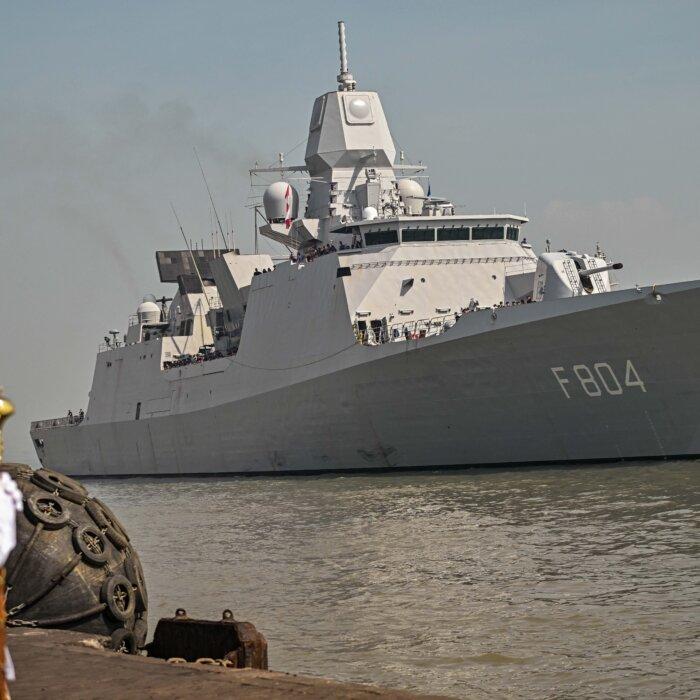
However, Russian President Vladimir Putin’s invasion of Ukraine fundamentally altered Europe’s security landscape while imposing severe costs on Russia itself. Its international standing and influence have been substantially diminished, and recovery is likely to take many years. As Russia declines, the CCP has lost one of its most important major-power partners.
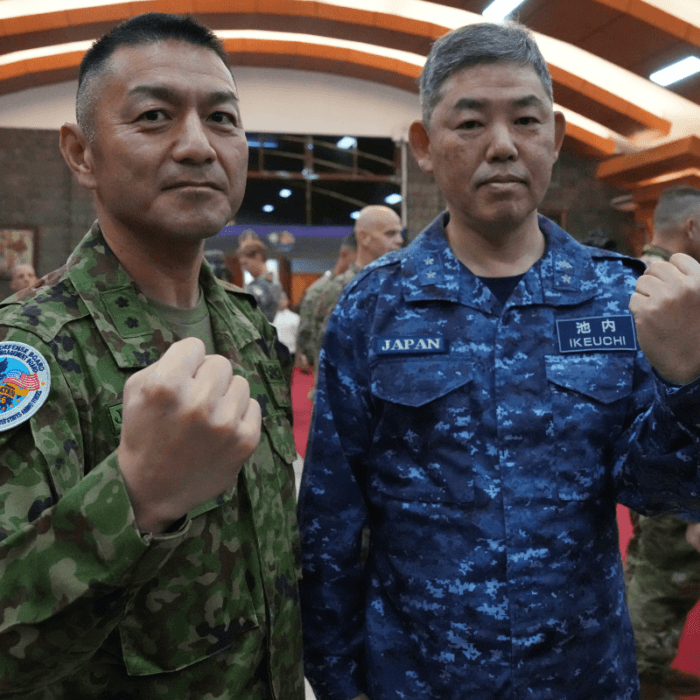
Second, the deterioration of Sino-Japanese relations, coupled with Japan’s accelerated transition toward becoming a “normal nation” and its expansion of military capabilities, has emerged as one of the most consequential developments in China’s regional security environment.
Following the Tiananmen Square massacre in 1989, Japan played a pivotal role in helping China overcome Western sanctions and diplomatic isolation. As a result, bilateral relations reached an all-time high.
However, as China’s economy surged and the CCP’s global ambitions grew, Beijing’s increasingly assertive “wolf warrior” diplomacy has contributed to recurring strains in the relationship. What was once described as a relationship of “strategic mutual benefit” has gradually evolved into one of strategic rivalry.
In recent years, Japan has strengthened its defense capabilities and consistently expressed support for Taiwan’s security. Meanwhile, Japan’s experienced and effective diplomacy has earned the confidence and trust of the United States and the broader Western community.
Third, although there have been signs of a thaw in Sino-Indian relations, the underlying disputes between the two countries remain unresolved. This leaves the CCP exposed to potential strategic pressure on two fronts.
India has already become the world’s fifth-largest economy, and many analysts believe that its long-term growth potential exceeds that of China. Mainstream international forecasts generally project that India will become the world’s third-largest economy in about 2030, behind only the United States and China.
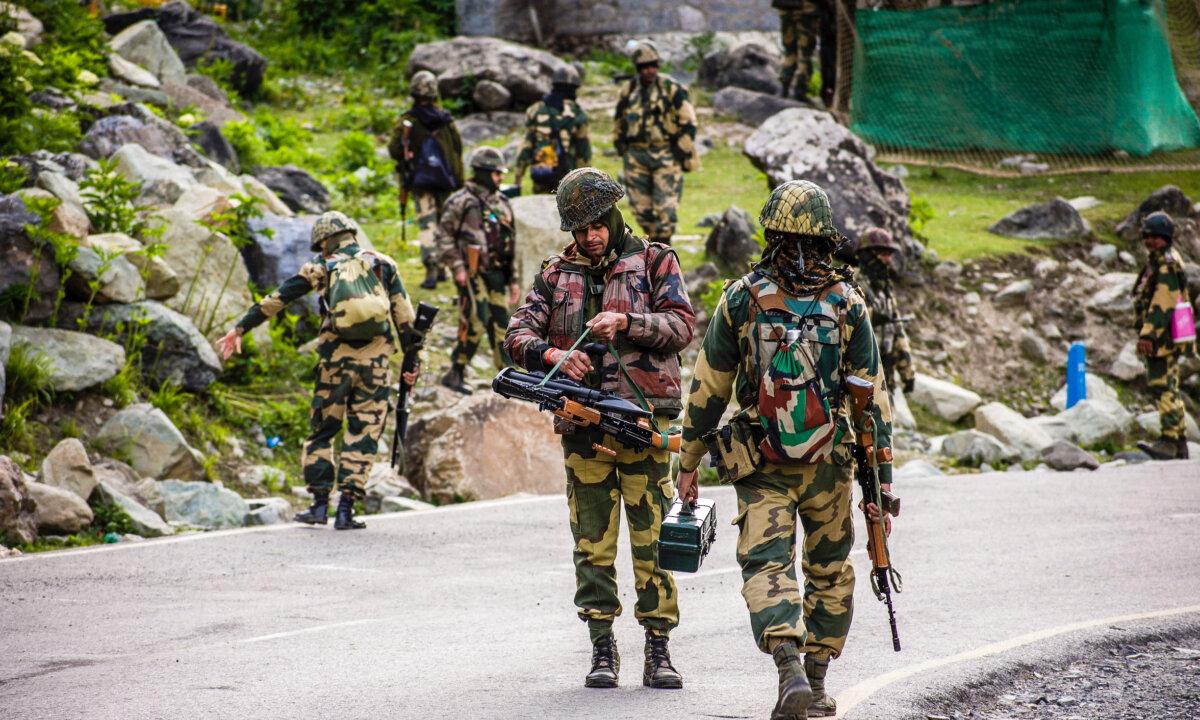
Although Sino-Indian relations have improved since the normalization of ties in 1988, the two sides have failed to achieve meaningful breakthroughs on core issues, particularly their long-running border dispute. The deadly border clashes in 2020 drove bilateral relations to a low point and prompted India to deepen its cooperation with the United States and its partners. India’s active participation has been a key factor in the growing momentum of the Quadrilateral Security Dialogue (Quad), which includes the United States, Japan, India, and Australia.
This has placed considerable pressure on the CCP, forcing Beijing to seek an improvement in relations with New Delhi. However, Indian policymakers appear to believe that the current strategic balance and broader trends favor India. Consequently, absent more substantial concessions from Beijing, New Delhi sees little urgency in pursuing a meaningful improvement in bilateral relations.
For the CCP, this situation constitutes a major strategic liability and a potentially serious source of future risk.
Fourth, the Quad is actively advancing and forming a strategic encirclement of the CCP.
Former Japanese Prime Minister Shinzo Abe initiated the Quad in 2007 to advocate for strengthened cooperation among the four countries to counter CCP expansion. However, the initiative remained dormant for nearly a decade until the Trump administration’s historic shift in China strategy in 2017.
In 2021, the Quad elevated its cooperation to the leader level, holding its inaugural summit virtually in March, followed by its first in-person gathering in Washington that September.
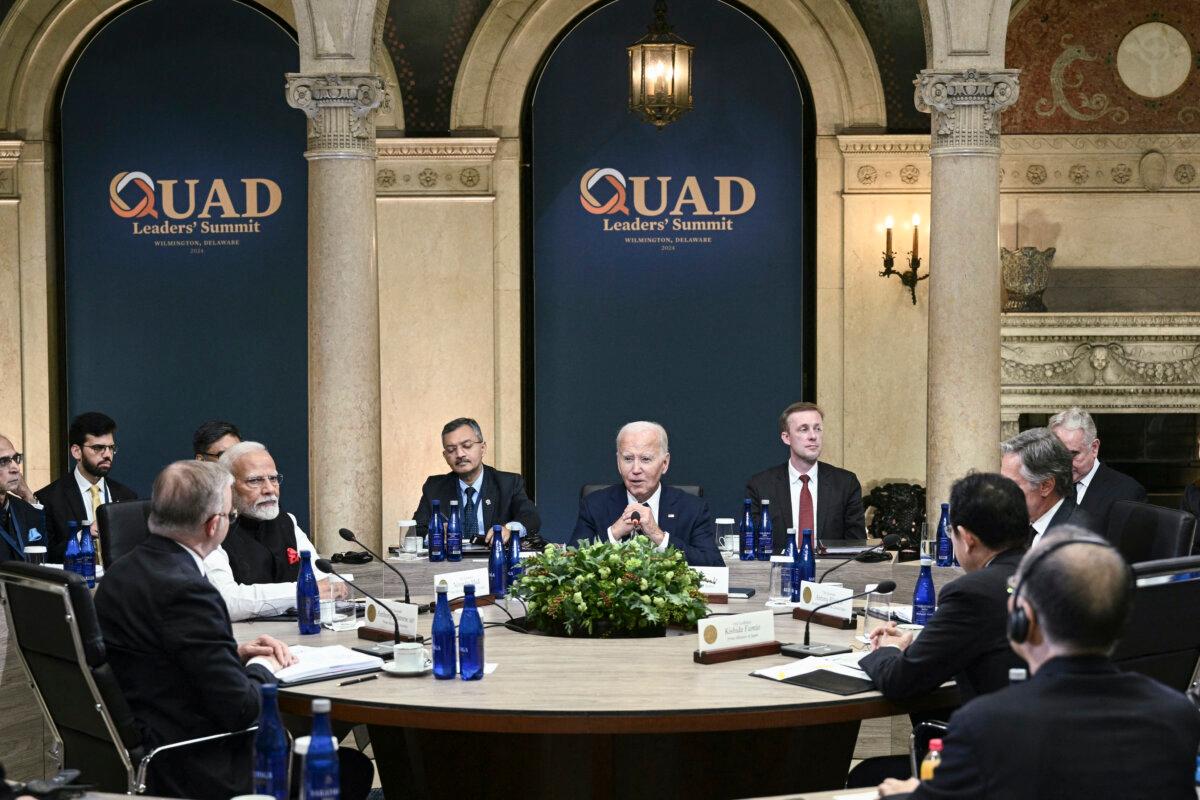
By 2026, the partnership has transitioned from a consultative platform into a more practical security architecture, characterized by robust strategic execution. Key initiatives currently driving this “executability” include the Indo-Pacific Maritime Surveillance Collaboration, enhanced real-time intelligence sharing, and targeted capacity-building programs to bolster the maritime patrol capabilities of Southeast Asian partners.
At the Quad foreign ministers’ meeting in New Delhi on May 26, cooperation was announced in at least four major areas: maritime security, port infrastructure, energy, and critical mineral security initiatives.
Fifth, the Australia–UK–United States security partnership is constraining the CCP’s strategic space on multiple fronts.
Together, these initiatives carry profound geostrategic implications for the CCP. They not only significantly enhance the anti-submarine warfare and undersea deterrence capabilities of the democratic alliance in the South China Sea, the Taiwan Strait, and surrounding waters, but also accelerate the technological containment of Beijing. At the same time, they are reshaping the Indo-Pacific alliance system and further integrating allied defense planning across the region, undermining the CCP’s strategy of weakening its rivals one by one.
In addition, there is South Korea’s nuclear-powered submarine program.
For the CCP, this would mean a significant shift in the undersea balance of power on and around the Korean Peninsula. It would increase anti-submarine pressure in the Yellow Sea and East China Sea, constrain the deployment of the Chinese navy in the Western Pacific, and impose additional restrictions on the People’s Liberation Army’s ability to operate in and out of the first island chain.