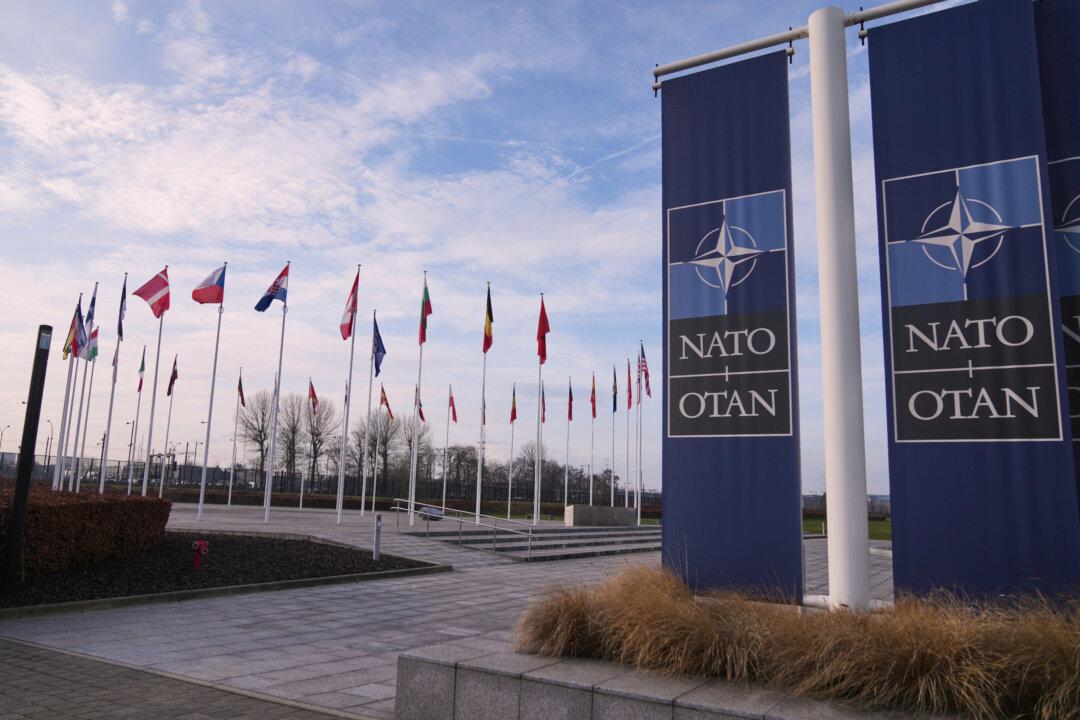
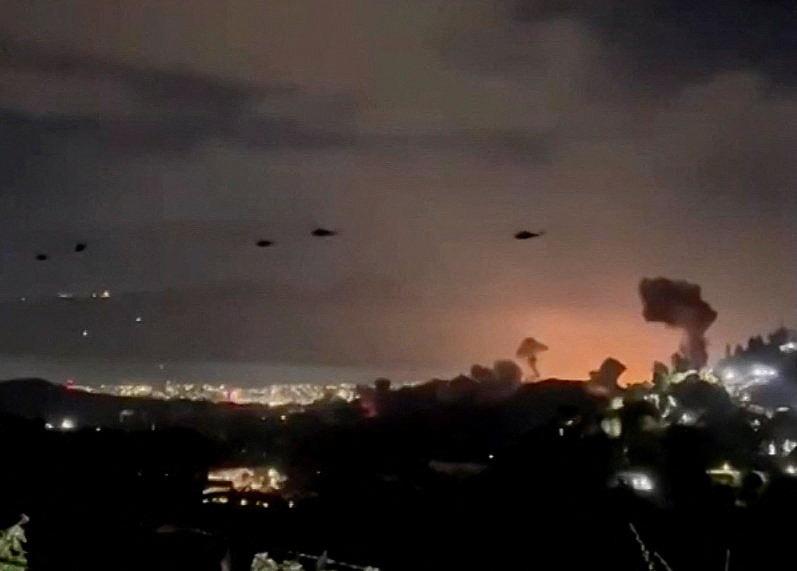
The United States framed the pause as a response to Canada’s failure to make credible progress on defence commitments. That explanation may be partly true, but it is unlikely to be the whole story. The timing matters. The decision lands just weeks before the review of the Canada-United-States-Mexico Agreement, known in Washington as USMCA and in Canada as CUSMA, begins on July 1. It also comes as the United States reorganizes defence policy around homeland security, Western Hemisphere control, allied burden sharing, and deterrence of China.
Ottawa should read the signal clearly. Washington no longer sees trade, defence, border security, industrial capacity, critical minerals, cyber resilience, and foreign interference as separate policy lanes. The current U.S. approach treats those issues as one strategic file. Canada may prefer to separate trade negotiations from defence obligations. The United States appears to be collapsing both into a single test of reliability.
That is why the pause should be viewed as a possible stall tactic or leverage move. It slows one established channel of defence consultation while forcing Canada to answer a public question about credibility. It also creates pressure before CUSMA discussions intensify. Washington may be signalling that privileged access to the U.S. economy will not be insulated from whether Canada contributes enough to the security architecture that protects that economy.
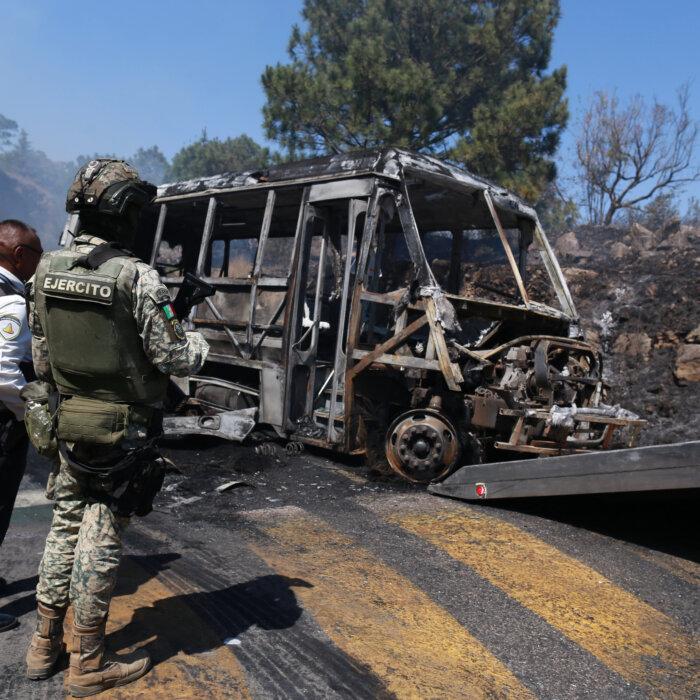

The United States is thinking in broader strategic terms. Open source reporting and analysis of the 2026 U.S. National Defense Strategy point to a deliberate shift toward defending the homeland, securing the Western Hemisphere, strengthening the defence industrial base, and deterring China in the Indo-Pacific. This is not old-style isolationism. It is hemispheric consolidation. The United States wants a secure base from which it can deter, compete with, or fight a major power abroad without being exposed at home.
Canada sits directly inside that security map. It controls Arctic territory, air approaches, maritime routes, energy corridors, ports, critical minerals, and infrastructure tied to U.S. strategic depth. Canada also shares a border that is economically essential but vulnerable if hostile states, criminal networks, cyber actors, or influence operations exploit weak enforcement and fragmented governance. From Washington’s perspective, a soft northern flank is an American homeland risk.
Canada should not respond with outrage or complacency, but with seriousness. Ottawa needs visible progress on NORAD modernization, Arctic surveillance, maritime domain awareness, port security, cyber resilience, defence procurement, critical minerals security, foreign interference enforcement, and counter-illicit finance capacity. These are not disconnected files. They are the operating system of continental security.
The political risk is that Washington may begin treating Canada less as a reliable partner and more as a vulnerability to be managed. That would weaken Canadian sovereignty, reduce influence over North American security planning, and increase the chance that trade access becomes conditional on security deliverables. Canada cannot assume shared history will carry the relationship. In the current strategic environment, deliverables matter more than sentiment.
The Pentagon’s pause may be reversed, but the signal behind it will remain. The United States is telling Canada that the Western Hemisphere is being reorganized around homeland defence, industrial resilience, and competition with China. Ottawa can help shape that agenda as a serious continental partner, or be pressured into it through trade, defence, and market access leverage.
The choice should not be difficult, but it does require Canada to recognize that economic policy and national security are now part of the same strategic conversation.