Something is happening in Oregon that should make anyone who eats food, lives on land, or understands basic ecology stop and pay attention.
Initiative Petition 28, known as IP28, is moving toward the 2026 ballot with roughly 90,000 signatures already gathered, closing in on the threshold needed to qualify. That means tens of thousands of people have signed a petition supporting a measure that could remove long-standing legal exemptions for hunting, fishing, ranching, and animal management under Oregon’s animal cruelty laws. At least 90,000 people were willing to say, “Yes, this idea should be voted on.” That’s not fringe anymore. That’s a movement built on a worldview that believes we can reduce harm by removing ourselves from the life-and-death cycle of nature.
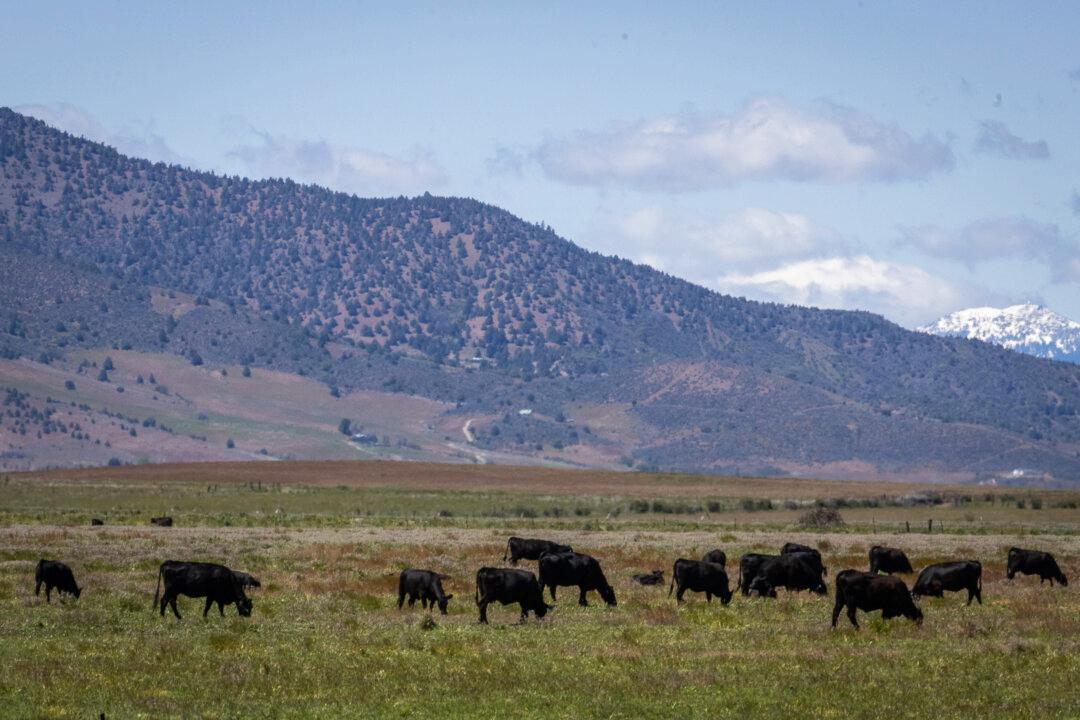
But nature does not work that way. In the wild, every living thing survives because something else dies. Predators hunt. Prey animals reproduce. Ecosystems regulate themselves through birth and death. Remove death, and you don’t create peace—you create collapse.
I want to be clear about something. I care deeply about animal welfare. I believe there is real room for growth in how humans treat animals, raise livestock, and steward the land. We should be having serious conversations about humane practices and responsible management. But this law is a step too far. It is untethered from the realities of life and death that every one of us depends on, whether we consciously recognize it or not. In modern urban life, it’s easy to forget.
The philosophy behind measures such as IP28 often comes from a deeply urban, highly abstract place—one I know well. I spent 15 years immersed in the vegan restaurant world in Los Angeles. I believed a plate without meat meant a plate with less harm. Then I started farming, and I learned that a field of vegetables still requires killing. Rodents, insects, predators, soil organisms—countless lives are part of the production of plant-based food. The difference isn’t death versus no death. It’s visible death versus hidden death. A plate without meat doesn’t mean less death. It means less meat. That realization was my awakening, and it’s the disconnect at the heart of IP28.
If you remove the legal ability for humans to intentionally kill animals, what happens next? You don’t just affect ranchers. You affect orchardists who can’t control ground squirrels. Grain farmers who can’t kill rats. Wildlife managers who can’t regulate populations. Hunters who fund conservation. Families who rely on local meat and fish. This isn’t a theoretical morality play. This is food systems, land stewardship, and ecological balance.
And yet the thinking that drives this measure carries a moral superiority—a belief that humans are the problem and should step back from nature. But the deeper truth is the opposite. Humans are part of nature. We are not meant to remove ourselves; we are meant to step into our role responsibly. We are a keystone species. That doesn’t mean domination. It means stewardship. It means engaging with life and death cycles in a way that regenerates rather than exploits. The idea that we can eliminate killing and somehow do less harm is not humility. It’s hubris.
IP28 is not just a policy proposal. It’s a cultural signal. It says we are drifting so far from the realities of food and ecology that tens of thousands of people believe we can legislate ourselves out of nature’s design. Most voters will encounter this issue through a short sentence on a ballot—a simplified moral appeal stripped of consequences—not through an understanding of how food systems and ecosystems actually function.
It’s also important to understand that this push is not simply a spontaneous local movement. The campaign to qualify IP28 has been backed by organized funding from national animal-rights networks. Reporting shows hundreds of thousands of dollars have already been spent on signature gathering, with paid petition circulators in the field. Donations have come from activist-aligned foundations and groups connected to the broader animal-rights movement. This isn’t just a philosophical debate; it’s a well-funded effort to change the law in a way that would have sweeping consequences for farmers, ranchers, hunters, and everyday families.
Oregon was once known as a land of abundance—a place people traveled across the continent to reach because it offered water, soil, wildlife, and the ability to live close to the land. Now it may become the testing ground for an idea that says living close to the land is inherently wrong.
The real question isn’t whether we should care about animals. Of course, we should. The real question is whether we understand that life feeds on life—and that our responsibility is not to deny that truth, but to participate in it with care, restraint, and respect. That is stewardship. And stewardship requires facing reality, not escaping it.