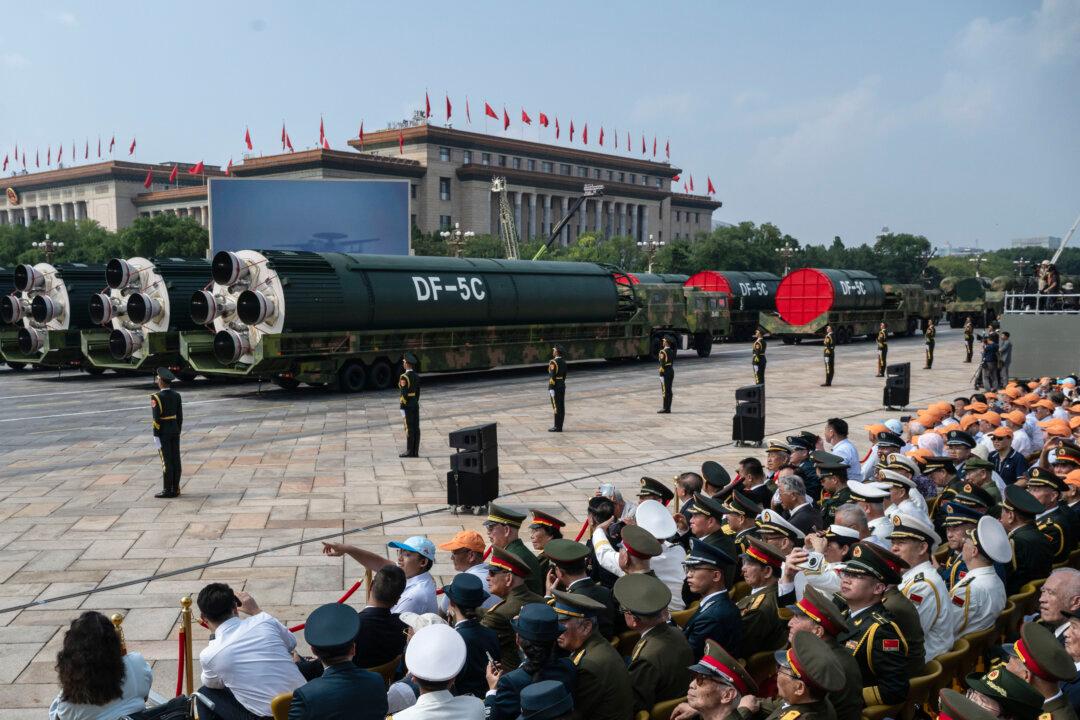
China observers have been speculating considerably on the stability of the Chinese communist regime over the past year.
The real estate crisis, the Trump reciprocal tariffs, the unsettling purges of senior military leaders and others (Politburo member and former Xinjiang chief Ma Xingrui was ousted in early April), and now the exposure of the apparent vulnerability of frontline Chinese armaments deployed to Iran to U.S. weaponry have placed extreme pressures on Zhongnanhai to the point that some are speculating that Chinese leader Xi Jinping may be in severe political danger moving forward.
No Apparent Imminent Threat to His Position
Widespread rumors that Xi will be forced to resign are highly unlikely to materialize because there currently seems to be no serious challenge to his leadership. The People’s Liberation Army (PLA)—despite the highly turbulent situation following the downfall of Zhang Youxia, a retired PLA general with rare combat experience—does not seem likely to turn on Xi. There is no credible evidence that Xi will be overthrown or face a coup.The structural reasons for this are important. Xi holds all three apex positions simultaneously—state president, general secretary, and chairman of the Central Military Commission—and has woven his personal ideology into the Party’s regulatory fabric, driving his agenda and corralling the system to support his objectives.
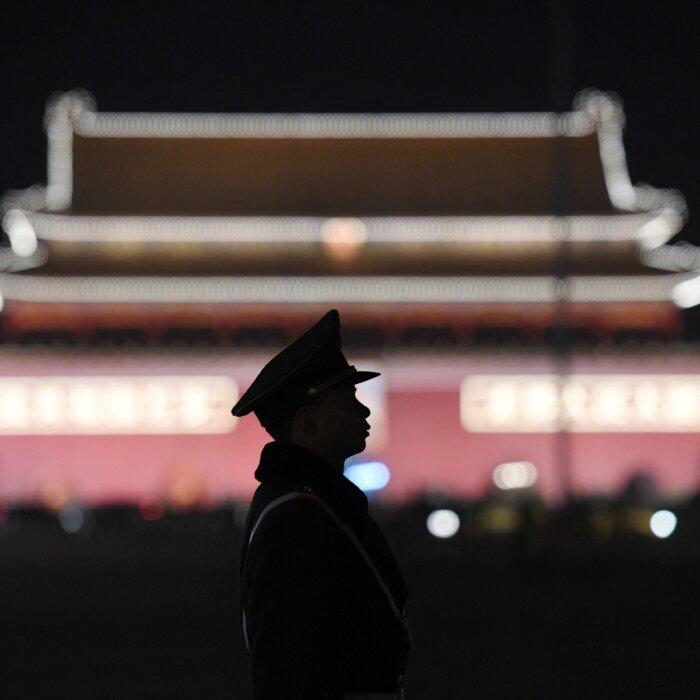
Xi has also removed perceived political threats through a series of purges completed under his anti-corruption rubric over the years. There is no institutional mechanism, no rival faction with sufficient organized strength, and no successor-in-waiting who could credibly challenge him before the 21st Party Congress in 2027.
4 Categories of Challengers
The Jamestown Foundation’s Willy Lam—one of the most reliable long-form analysts on CCP elite politics—has identified four distinct groups that challenge Xi’s authority, even if not his tenure:Retired Party Elders
Former top state advisers, including Li Ruihuan, and key economic officials who served under Premiers Zhu Rongji and Wen Jiabao, have expressed disapproval behind closed doors of Xi’s handling of economic issues and relations with the United States since the Third Plenum of the 20th Central Committee.The Princeling Network
Among Xi’s most significant political foes are the offspring of Party elders closely tied to Deng Xiaoping’s reforms. These princelings fear that Deng’s position at the peak of the CCP pantheon could be jeopardized by Xi’s move to dismantle the (somewhat) liberal patriarch’s key policy planks.The Military
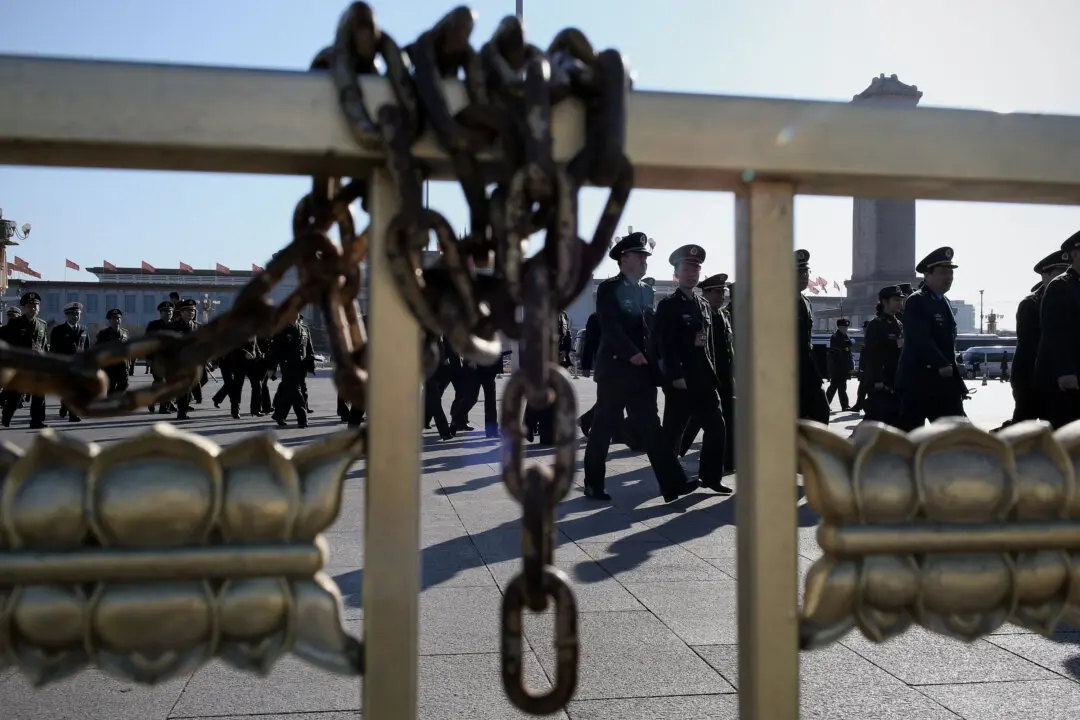
The Zhang Youxia case is the most dramatic data point. According to multiple reports, Zhang had long harbored doubts about Xi and had accumulated enough influence within the military to mount a serious challenge—but never did, primarily out of self-preservation instincts. This is the core dilemma facing every senior CCP insider: The system rewards loyalty right up until the moment it decides to punish it, and there is no reliable way to predict when that moment will come.The Middle Class and Private Entrepreneurs
Parts of the middle and entrepreneurial classes are voicing discontent amid severe economic pressures, including the real estate crisis. Indicators that Xi is under pressure include his absence from chairing two recent high-level meetings and references to “collective leadership” in the PLA Daily—language that could be read as a slap at Xi’s insistence on the dictum that all decisions should “rely on a single voice of authority.”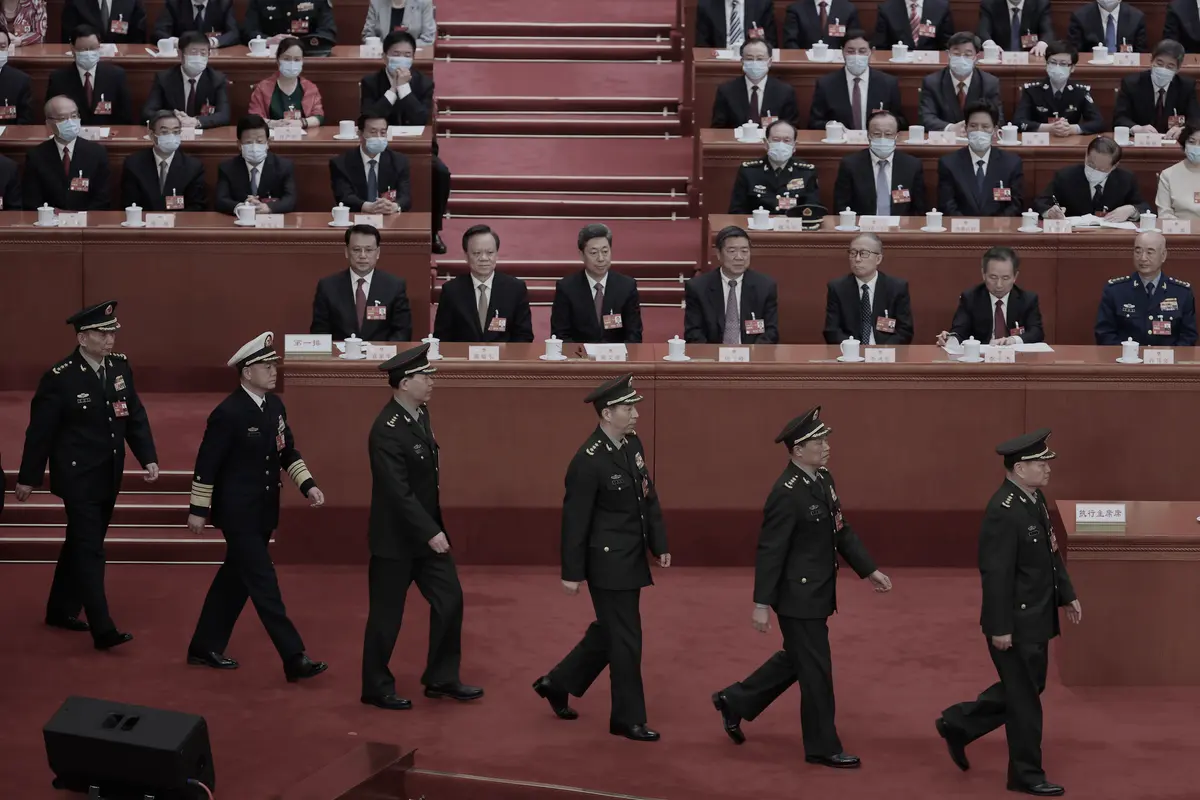
A Deeper Structural Problem: The Purge Is Eating Itself
Perhaps the most penetrating analysis of Xi’s current position comes from the Chinese writer and scholar Deng Yuwen, writing in Foreign Policy, who identified a paradigm shift in the rules of the game.Three bedrock assumptions used to govern Xi’s purges: Politburo members were generally not touched; princelings in high office were generally not touched; and retired members of the Politburo Standing Committee were generally not touched. These tacit assumptions were a kind of fence that held things together. But now these rules are falling apart.
Once fear becomes the shared psychological climate, the structure of power changes in subtle but profound ways, fracturing and atomizing. The fundamental glue of the system was the exchange of interests and resources, and a shared understanding of where the red lines were.
With the boundaries gone, bureaucrats are shifting to risk avoidance: don’t sign off on anything you don’t have to, don’t take responsibility if you can avoid it, never volunteer unless you absolutely must.
What Xi can see is neater applause, more uniform messaging, and louder vows of loyalty. What he cannot see is hesitation throughout the decision chain, delays in implementation, the disappearance of truthful information, and a bureaucracy collectively playing dead.
A Window Into Xi’s Psychology
Xi moving against Zhang—who was also the son of one of the People’s Republic of China’s founding figures, who was his childhood companion, and with whom he has family ties going back decades—looks very much like a display of authority for its own sake. It effectively proclaimed to the Party and the PLA: “If I can move against those closest to me, who will dare challenge me?”But the signal cuts both ways. After more than 12 years of anti-corruption purges, top officials are still falling in droves. This doesn’t make the campaign look successful; it makes entrenched corruption look like part of the system and Xi ineffective in removing a poison that runs to the bone.
After more than 12 years in power, the targets of the anti-corruption campaign are also people Xi himself chose—the ones he trusted for years and elevated to the most critical posts. Officials no longer believe that loyalty equals safety.

The Broken Rules and What Comes Next
The State Council has been reduced to a relay station. Every decision, from macroeconomic management to micro-level regulation, must align with Xi. Technocrats have given way to political commissars.The consequences are visible across the Chinese economy: the real estate collapse, runaway local government debt, and record youth unemployment all trace back to the same structural problem. Local officials are afraid to make decisions, ministry-level leaders refuse to accept responsibility, and the entire system is frozen in a posture of waiting for instructions from the top.
The possibility of fragmentation and realignment within the elite can no longer be ruled out, although no fixed timetable for such a transition exists. Signs of rebalancing within the military-security apparatus add nuance: Structural purges have halved the size of the Central Military Commission.
Concluding Thoughts
Despite the myriad problems that he is dealing with, Xi may not be going anywhere before 2027—and probably not then either. The CCP values stability above all else, and any removal outside the dreary standard CCP meetings would be a shock to the regime’s stability.The truly dangerous period for Xi may not be before the 21st Party Congress, but after that—when a fourth-term leader with no legitimate successor, a dysfunctional military command, and a decelerating economy must navigate what will almost certainly be the most consequential test of CCP legitimacy since Tiananmen Square.
The world will soon see that democracy with CCP characteristics has been a complete farce since 1949, while praying for the communist implosion that many have been predicting for years.