Almost every day, someone says it.
Sometimes they’re laughing. Sometimes they seem only half joking.
“If the EMP hits, I’m coming to your ranch.”
“If there are food shortages, I know where I’m headed.”
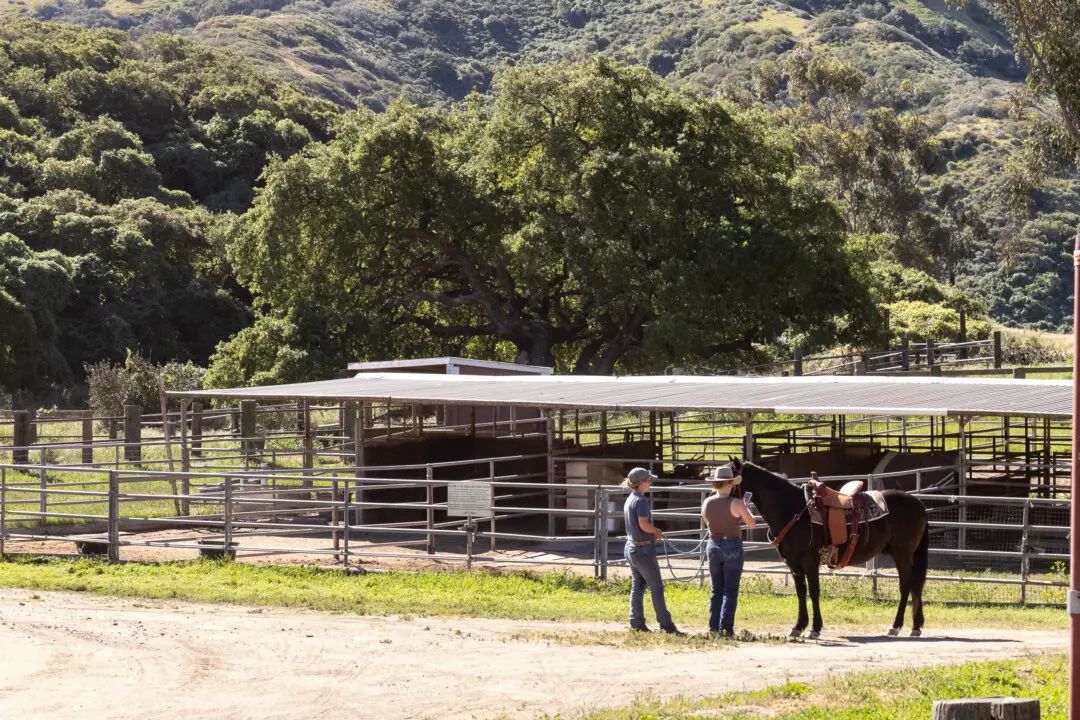
The comment comes from strangers touring the ranch, restaurant guests, conference attendees, and online followers. Different ages, different backgrounds, different political beliefs. Yet somehow they all seem to arrive at the same joke.
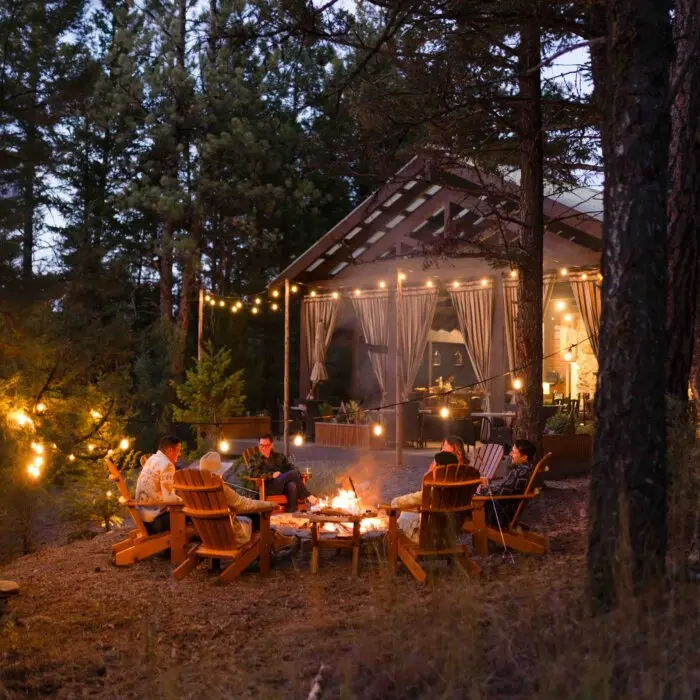
What fascinates me is not the joke itself, but how often I hear it.
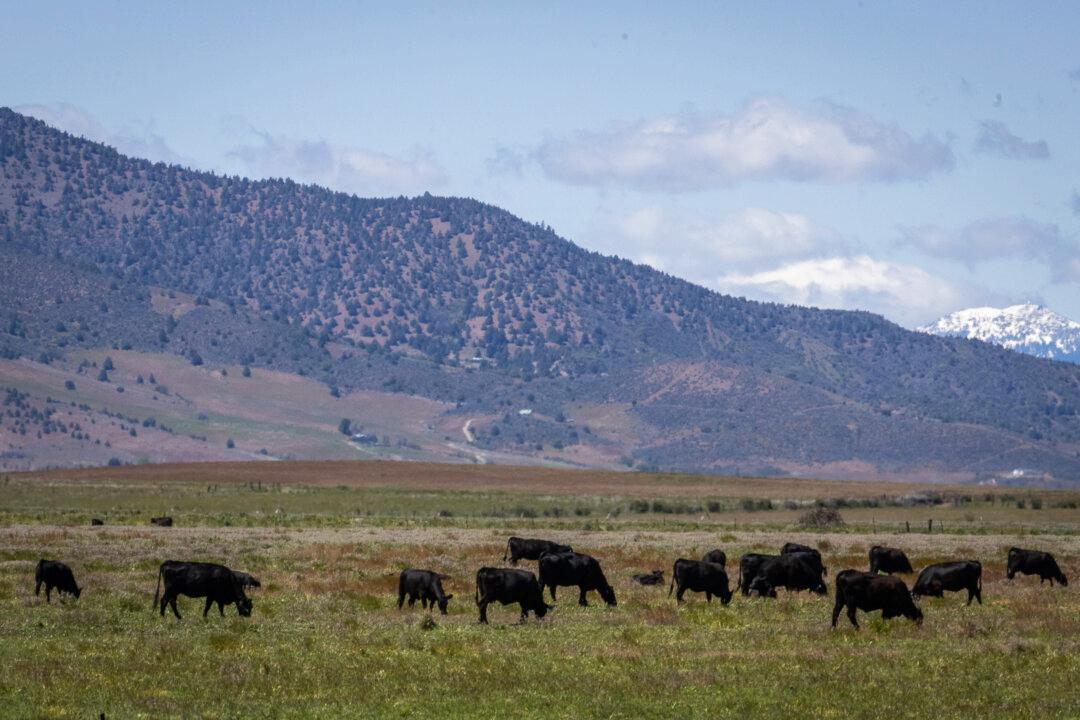
I grew up on 27 acres with a large fruit orchard, livestock, a spring-fed pond, and well water. Looking back, what strikes me is not the property itself but the reaction people had to it. Nobody joked about showing up if society collapsed. Nobody looked at a pond and immediately started talking about survival. The land was simply part of life.
People visited farms because they were interested in the animals, the fruit trees, or the family living there. They did not seem to view every garden as a backup food supply or every pond as a survival asset. The conversation was different.
Today, the reaction is different. Almost every day, someone makes some version of the same joke, and after hearing it hundreds of times, I’ve started to wonder what changed.
Perhaps people are less confident in the systems around them than they once were. After years of inflation, supply chain disruptions, political division, and warnings about one crisis after another, many people seem to carry a quiet suspicion that the future may not look exactly like the past.
I saw some of this during the COVID-19 pandemic.
At the time, I was operating a vegetable box delivery program in California. Practically overnight, demand exploded. Families who had never purchased directly from a farmer suddenly wanted weekly deliveries of fresh produce. The program grew to nearly 500 boxes a week.
People told me they wanted local food. They wanted to know their farmer. They wanted a more resilient food system. Having fresh organic produce delivered directly to their home felt safer and more reliable than walking into a grocery store during an uncertain time.
Then the pandemic ended.
The grocery stores filled back up, the fear subsided, and most of those customers disappeared. The vast majority returned to the same system they had questioned only months earlier.
I saw something similar recently in Texas.
Before a winter storm, our local H-E-B was picked over. Bread and eggs disappeared from the shelves as people prepared for the freeze. At the same time, our farm store experienced one of the busiest weekdays we have ever had.
I would love to believe all those customers suddenly discovered a passion for pasture-raised eggs and fresh sourdough bread, but that would not be true. Most were not changing their habits because they had embraced local food. They were responding to a moment when the system they normally depended on appeared less certain.
What surprised me was not that people prepared for the storm. What surprised me was how quickly people abandoned their normal shopping habits when they felt even a small amount of uncertainty.
The moment the pressure increased, they sought alternatives.
The moment the pressure disappeared, most returned to business as usual.
That pattern is what I find so interesting.
People clearly recognize fragility when they see it. They sense it during a storm, a supply chain disruption, or a crisis. Yet very few seem motivated to make lasting changes while things are calm.
When people make these comments about coming to the ranch, they are rarely talking about what they are building. Instead, they are imagining a future where someone else has already done the work.
I don’t remember hearing people think this way when I was growing up.
Far less often do I hear people talk about learning new skills, planting fruit trees, storing seeds, raising livestock, buying tools, setting aside ammunition, or simply getting to know the people who live nearby. Yet these are the very things that helped families and communities weather difficult times throughout history.
My husband thinks I spend too much time worrying about these things. He would probably tell you that everything is going to be fine.
And yet he still spends weekends helping build fences, improve water systems, plant trees, and raise livestock.
Maybe that’s because he secretly agrees with me.
Or maybe it’s because resilience is valuable even if nothing ever goes wrong.
There is a difference between living in fear and building resilience.
A garden is useful whether or not there is a food shortage.
Knowing your neighbors is valuable whether or not there is an emergency.
Learning practical skills improves your life, whether society runs smoothly or not.
Strong communities are not only for hard times. They make good times better, too.
The more I hear these jokes, the more I wonder if they are not really about EMPs, food shortages, or societal collapse at all. Those scenarios may simply be the language people use to express something deeper.
Maybe they’re joking. Maybe they’re making conversation. Maybe they’re expressing a concern they don’t quite know how to articulate. Or maybe they’ve noticed something many of us have noticed over the past few years: The systems we depend on are not quite as permanent as we once believed.
Maybe that’s what people recognize when they come to a place like ours. Not the livestock or the bread or the gardens, but the feeling that people still know one another and depend on one another.
For most of human history, people did not have to think much about building community because they were already surrounded by it. Family, neighbors, churches, civic organizations, and local businesses naturally wove people together. Children played together. People borrowed tools from one another. They attended weddings, funerals, church picnics, and community events. The people around them were not strangers. They were part of daily life.
Today, many Americans know hundreds of people online and very few of the people living on their street.
Maybe people are joking.
But when hundreds of people make the same joke, year after year, it starts to feel like more than a joke.
It feels like a question.
A question about whether we trust the systems around us.
A question about whether we know our neighbors.
A question about whether we have become too dependent on institutions and too disconnected from one another.
I don’t know exactly why so many people tell me they are coming to my ranch when everything falls apart.
What I do know is that I never heard that joke growing up.
And the fact that I hear it almost every day now seems worth paying attention to.