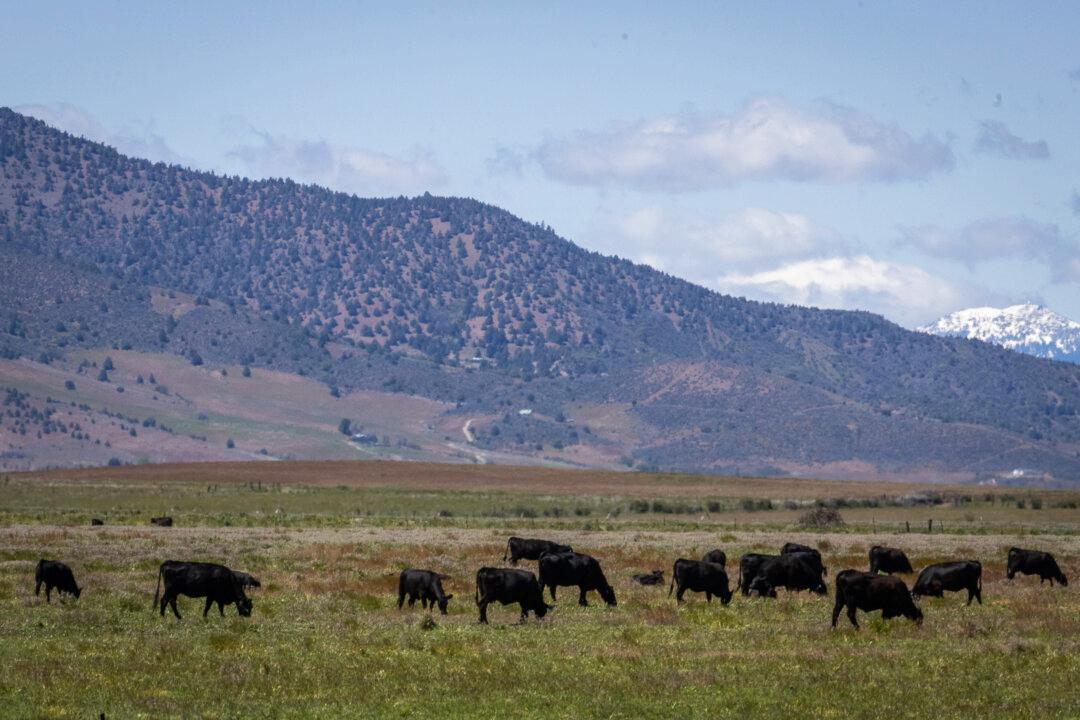
If you had told me 10 years ago that I’d be raising cattle on a ranch in Texas, baking sourdough bread every week, and raising most of the meat my family eats, I would have thought you were crazy.
At the time, I didn’t even eat meat. I was a vegan chef and restaurant owner. My husband wasn’t vegan, but I wouldn’t let him cook meat inside the house. We even installed a commercial cooktop and barbecue area outside so he could prepare it there. Looking back, I smile at how certain I was that health could be achieved simply by removing enough things from our diet.
People sometimes assume that because I now raise livestock, I must care less about animals than I did then. The opposite is true. What changed wasn’t my compassion. It was my understanding.
I eventually realized that there is no food without death. Every way we produce food has an impact on living things. We cannot simply remove meat from our plates and imagine that suffering disappears from the world. The question isn’t whether death exists. The question is what kind of life we choose to steward before that death.
That realization changed everything.
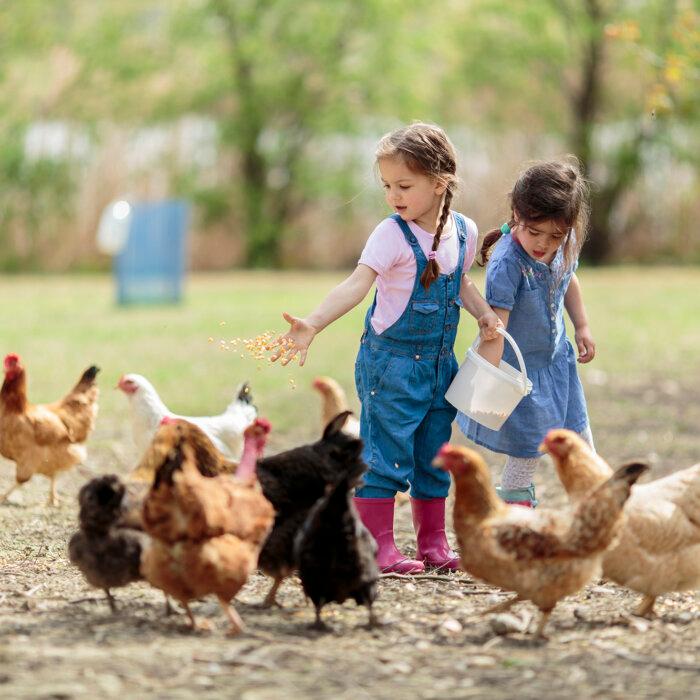
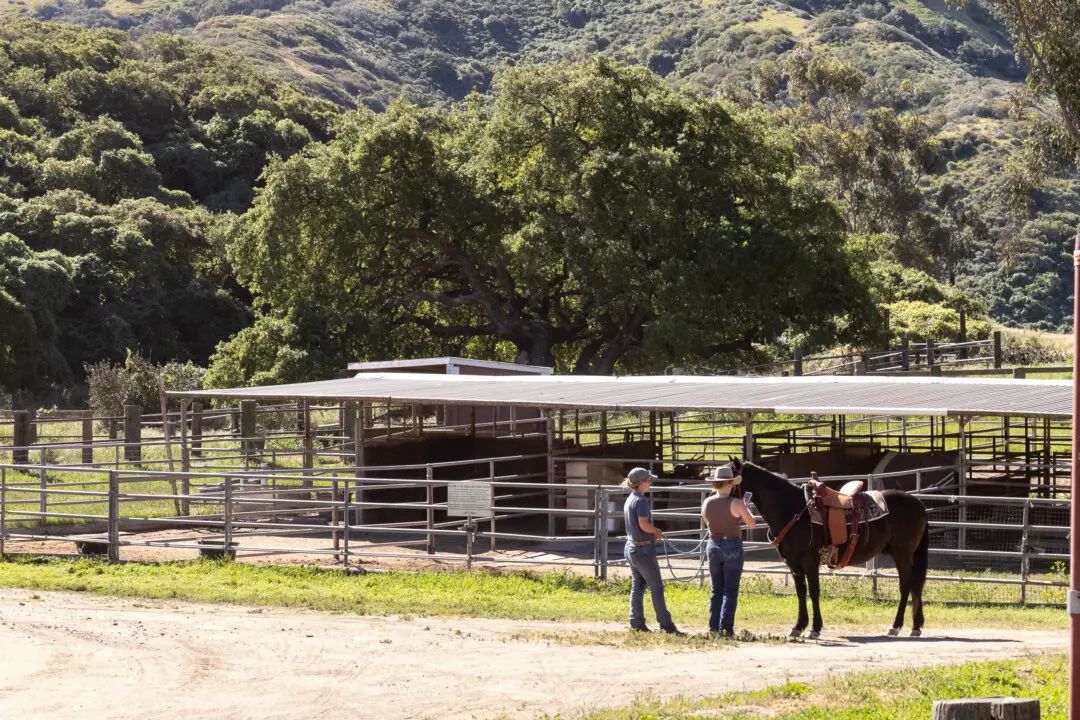
Today, on Sovereignty Ranch, we raise family dairy cows, beef cattle, hogs, sheep, goats, chickens, and turkeys. My commitment isn’t to creating a world without death; it’s to giving every animal under our care the very best life we possibly can between birth and death while regenerating the soil that will nourish future generations.
People often ask what finally drove us out of California and brought us to Texas.
The truth is that I don’t think it was one thing.
It was a thousand small cuts.
Years of regulations that made farming harder instead of easier. Endless compliance that slowly drained the joy out of entrepreneurship. COVID-19 restrictions that devastated my restaurants. A growing cultural divide between the values I wanted to teach my children and the values becoming increasingly common where I had built my life.
I wanted my children to grow up believing that they were wonderfully made, not that they should question whether they had been born in the wrong body. I wanted them to grow up in a place where people are known for the lives they live, the contributions they make, the strength of their character, and the way they treat other people, not by superficial characteristics or identity labels. I wanted them to spend more time climbing trees than staring at screens.
I also wanted to farm in a place where regenerative agriculture wasn’t constantly competing with conventional agriculture on every side. In California, I watched pesticides being sprayed from neighboring fields and helicopters flying overhead. I wanted to build a place where the air, the water, and the land reflected the kind of life we were trying to create.
Looking back, however, I wonder if I’m giving too much credit to circumstances.
Maybe it wasn’t a thousand cuts.
Maybe it was one thing.
Maybe it was God.
Because every uncertain step led us closer to the life we were meant to build.
People often look at our life today and assume we made one dramatic decision.
We didn’t.
We didn’t go from eating Thai takeout in Styrofoam containers to baking sourdough bread, raising livestock, and cooking almost every meal from scratch overnight. We got here through a series of awakenings, a series of questions, and thousands of small choices that slowly moved us closer to what mattered most.
Looking back, I can see that I was always searching for that connection.
Even when I was vegan, I was obsessed with preserving food. Long before we owned an orchard, I harvested olives from the trees around a Starbucks parking lot in Granada Hills. I cured them myself and gave jars away as Christmas presents. I spent weekends foraging for unwanted fruit throughout Los Angeles and turning it into jams, fermented vegetables, and preserves.
I wasn’t simply searching for healthier food.
I was searching for a closer relationship with it.
Over time, I realized that health wasn’t just about what we removed.
It was about how close we could get to the source.
That realization quietly transformed almost every part of our lives.
I grew up in a house without synthetic fragrances.
My mother always said, “Something that’s truly clean smells like nothing.”
We didn’t have plug-ins, scented candles, or heavily fragranced cleaning products. Today, vinegar, baking soda, borax, hot water, fresh air, and a little elbow grease still handle most of the cleaning in our home.
We started buying organic grains and beans because they gave us the biggest return for our grocery dollar. Eventually, we learned to bake long-fermented sourdough bread. I even own a grain mill now, although I’m still working toward making freshly milled flour part of our weekly routine. One step at a time.
We replaced industrial seed oils with butter, tallow, lard, olive oil, avocado oil, and coconut oil. We got to know local farmers and began paying attention to the health of the soil that produced our food. We bought meat in bulk when it made sense, preserved fruits and vegetables when they were in season, and discovered that many traditional ways of eating were not only healthier but often less expensive.
Our family enjoys raw milk from a farmer we know and trust. For families who don’t have access to raw milk or who live where it isn’t legal, I encourage choosing grass-fed dairy whenever possible. The closer I get to the people producing my food, the more confidence I have in feeding it to my family.
As clothes wore out, we slowly replaced polyester, fleece, and microfiber with cotton, linen, wool, hemp, and silk. We spent countless afternoons wandering thrift stores, reading clothing tags, and finding beautiful, natural-fiber clothing for just a few dollars. Some of my favorite outfits cost less than lunch.
We became more intentional about our home, filtering our water, choosing natural materials when it was time to replace furniture or blankets, and spending time outside before screens. Before my children have access to tablets or television, they go outside. They look toward the morning sun, move their bodies, and put their feet on the earth.
We also became intentional about sugar. Our children are allowed one sugary carbohydrate each day. During the week, we mostly use honey and maple syrup, while traditional desserts are generally reserved for weekends and special occasions. The goal isn’t fear or restriction. It’s helping our children develop a healthy relationship with food.
None of those decisions felt revolutionary by themselves.
Together, they transformed our family’s life.
If there is one lesson I have learned over the past decade, it is this: Health is found closer to the source.
Closer to the farmer.
Closer to the soil.
Closer to nature.
Closer to traditional ways of preparing food.
Closer to the materials that surround us.
Closer to the people who produce the things our families depend on.
I know this lifestyle isn’t possible for everyone. Not everyone can raise cattle, bake sourdough, or milk a cow. But everyone can take one step.
Meet a local farmer.
Read an ingredient label.
Replace one bottle of cooking oil.
Turn off the plug-in air freshener.
Bake one loaf of bread.
Spend another hour outside with your children.
Healthy families are rarely built through one dramatic decision.
They’re built through thousands of small choices, made faithfully over time.
That’s certainly how we got here.
One step at a time.