Beijing Knows How to Move
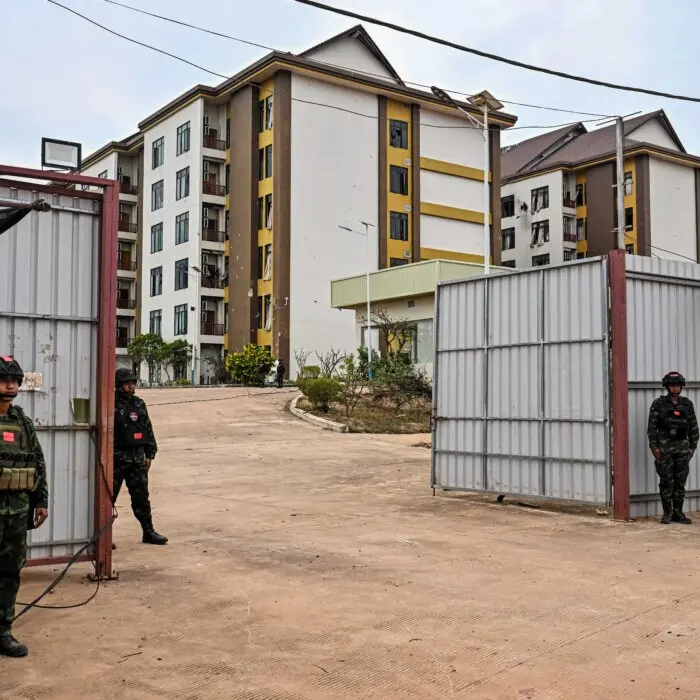
Beijing likes to portray itself as a victim of cross-border fraud and a responsible partner in stopping it. However, that image collapses under scrutiny. The authorities do crack down, but only when the problem threatens the Chinese Communist Party’s (CCP) interests.When scam compounds in Burma (Myanmar) became a direct threat to Chinese citizens, Chinese domestic stability, and Beijing’s border-control priorities, the response was fast and heavy. In May of 2024, China’s Ministry of Public Security announced that more than 49,000 telecom and internet fraud suspects had been handed over to Chinese custody from Burma since July 2023. The ministry heralded the action, claiming major criminal groups had been dealt “crushing blows.”
The speed and success show that Chinese authorities can pressure neighboring governments. It can coordinate mass repatriations. It can even move suspects across borders at industrial scale. Delay can carry a heavy price. So, when Beijing wants action, it gets action.

The same urgency disappears when the primary victims are Americans, Europeans, Japanese, Indians, Australians, or other foreigners. The networks adapt, move, fragment, and then reconstitute. Some return to China in smaller cells, targeting foreigners from the mainland.
The Enforcement Boundary
These trends and Beijing’s indifference to the impact are talking points the CCP would prefer to stay buried. However, its enforcement system treats foreign victims as a lesser priority, and the evidence is now too obvious to ignore.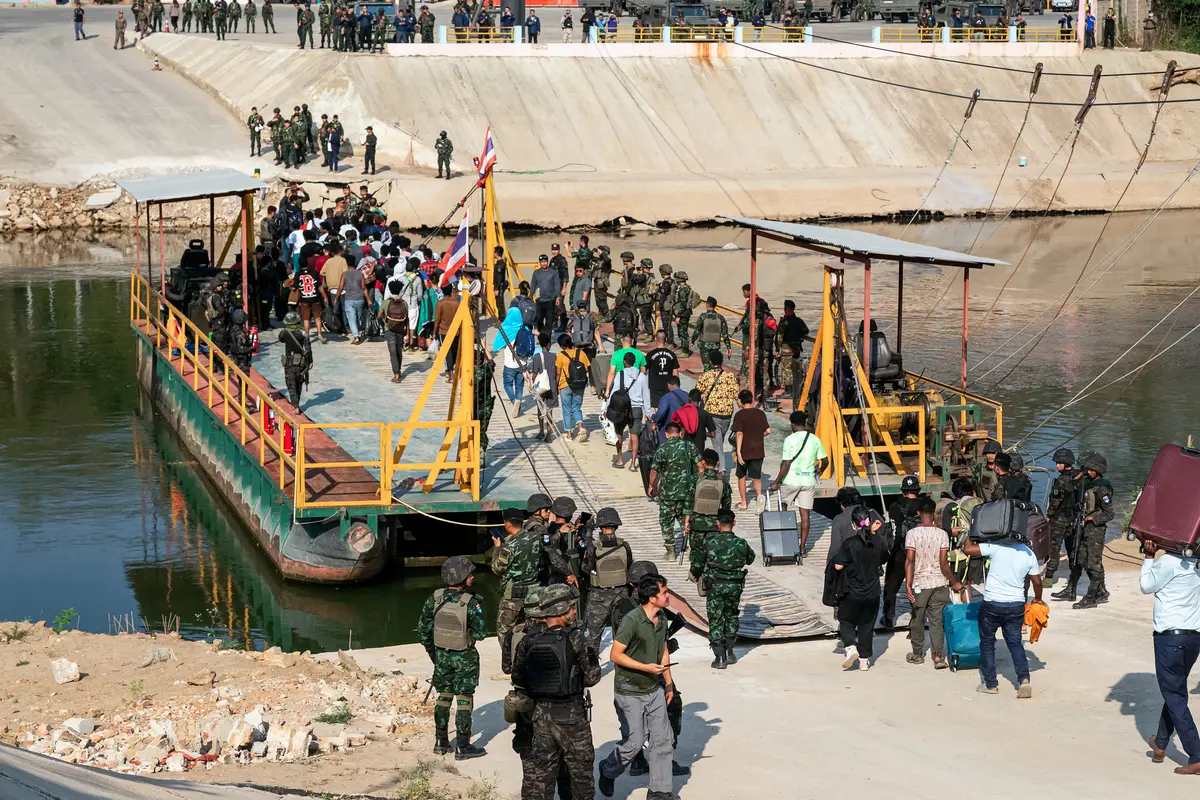
That attitude does not represent every Chinese citizen. But it does reflect something the CCP has allowed to metastasize: a criminal worldview in which foreign suffering matters less, foreign losses matter less, and enforcement risk drops when the victims live outside China.
Prince Group Shows the Protection Problem
The Prince Group case in Cambodia shows why Beijing’s denials should be treated with skepticism. This was not a loose collection of online thieves hiding behind laptops. U.S. prosecutors describe a sprawling criminal enterprise built around forced-labor compounds, cryptocurrency fraud, political protection, shell companies, and alleged access to Chinese security channels.In October 2025, the U.S. Department of Justice (DOJ) indicted Chen Zhi, chairman of Prince Group, alleging that he directed scam compounds that used trafficked and forced labor to defraud victims in the United States and around the world through cryptocurrency investment schemes. DOJ also moved to forfeit roughly $15 billion in Bitcoin, one of the largest forfeiture actions in U.S. history.
The U.S. Treasury and United Kingdom followed with coordinated sanctions against Prince Group-linked targets. Treasury designated Prince Group as a transnational criminal organization and said the network operated scam compounds, laundered criminal proceeds through shell companies, and relied on forced labor and human trafficking to fuel online fraud. Americans reportedly lost more than $10 billion to Southeast Asia-based scam operations in 2024.
The scale is staggering. The alleged protection system is worse.
The scale is staggering, but scale alone is not the most important point. The protection system is. Prince Group allegedly survived because it was not operating in a vacuum. It sat within a permissive regional ecosystem in which corrupt officials, private infrastructure, illicit finance, and weak enforcement reinforced one another.
That is where China’s responsibility becomes harder to avoid. Beijing did not need to publicly bless the operation for China-linked actors to benefit from the protection surrounding it. The issue is the environment the CCP helped create, the enforcement it chose not to prioritize, and the networks that allegedly believed that Chinese security ties could shield them when pressure mounted.
The DOJ’s indictment describes alleged bribes for advance warning of raids and communications with a Chinese security official who said he could help get associates “off the hook.”
Beijing does not need to run the SCAM for the system to serve Chinese criminal power. It only needs to police selectively, tolerate useful gray zones, and act hardest when the CCP’s interests are at risk.

Burma Is the Tell
The CCP wants applause for the Burma crackdown. But it deserves scrutiny for what that crackdown reveals.If the CCP can help move tens of thousands of fraud suspects out of Burma when Chinese citizens, Chinese stability, and Chinese border interests are at stake, then it cannot credibly claim helplessness when China-linked networks bleed American families, Western financial systems, and trafficked workers across Southeast Asia.
The latest reporting reinforces this point. More than a year after a multinational crackdown freed thousands from compounds near Burma’s border with Thailand, thousands more are still believed to be trapped in scam centers in the same region. These details are politically damning: pressure is episodic, enforcement is selective, and foreign victims remain the lowest-cost casualties.
The Chinese regime wants the benefits of global legitimacy without the burdens of global responsibility. Its crackdown in Burma shows what Beijing can do when the CCP’s interests are at stake. Its tolerance of foreigner-targeted scam networks shows what it chooses not to do when the victims are American, Western, or politically expendable.