As Canada navigates a shifting geopolitical landscape shaped by trade tensions, great power rivalry, and mounting hybrid threats, a pressing question looms: Should Canada decouple from authoritarian regimes, particularly China, or pursue a policy of strategic derisking? The answer will define our national security, economic sovereignty, and credibility among democratic allies.
Understanding the Concepts
Decoupling refers to a deliberate severing of economic ties, particularly in sectors with national security relevance such as telecommunications, critical minerals, defence, artificial intelligence, and finance. It is a policy of clear disengagement aimed at reducing strategic dependency and exposure to hostile influence.What’s at Stake for Canada
Canada finds itself wedged between two powerful currents. On one side is its largest trading partner, the United States, which is increasingly pushing for more aggressive decoupling from China in sensitive sectors. On the other is a globalized economy still enmeshed with Chinese manufacturing, capital, and technology—especially in areas like green energy, rare earths, and pharmaceuticals.Decoupling would entail significant short-term pain. For Canada, this might include disruptions in supply chains, increased costs for manufacturers, and the need for a rapid reorientation of foreign investment and trade flows. However, decoupling also offers long-term clarity. It sends a strong message about where Canada stands in the ideological contest between democracies and autocracies.
Implications for the US and Our Allies
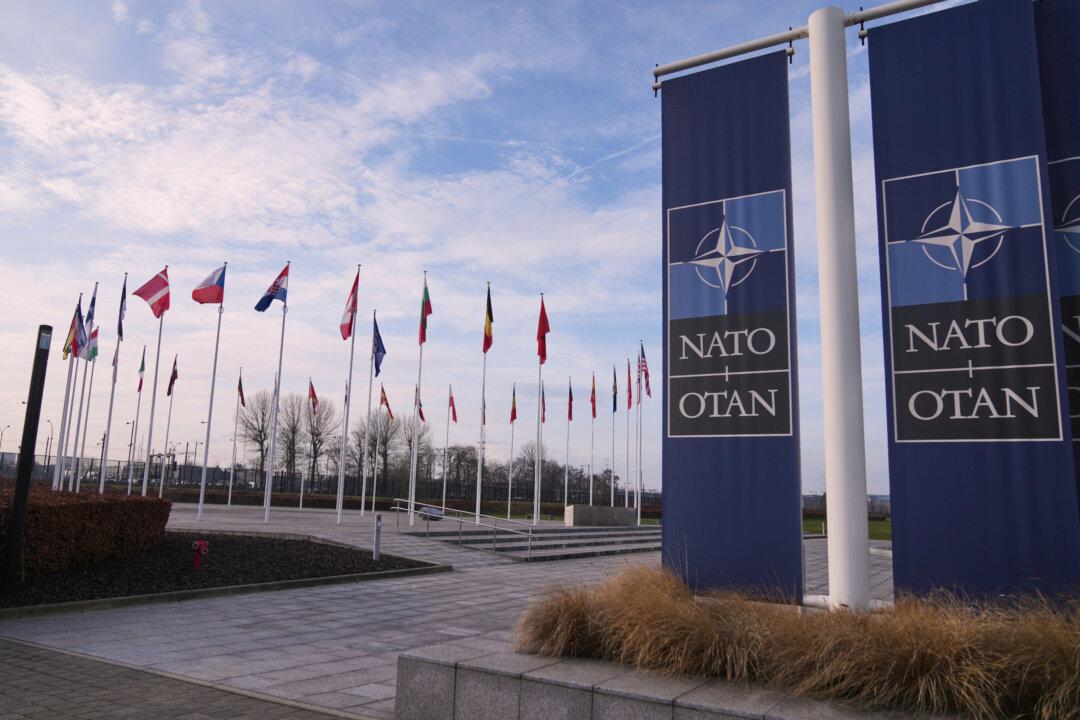
Canada’s credibility with its Five Eyes partners, NATO allies, and Indo-Pacific democracies depends in part on our ability to align strategic priorities. Washington is increasingly skeptical of ambiguous middle-ground policies. So are Australia and the UK, who have already moved to limit Chinese investment in infrastructure, tech, and real estate. Even the EU, where derisking originated, is beginning to confront the hard limits of economic engagement with adversarial states.

Canada’s Unique Vulnerabilities
Canada is particularly vulnerable to hybrid threats—economic subversion, IP theft, elite co-option, and disinformation campaigns—largely due to regulatory complacency, underenforced laws on foreign interference, and a historically passive approach to strategic trade relations.The Way Forward
Canada must not view decoupling and derisking as mutually exclusive. Rather, we need a tiered strategic framework:- Full decoupling in national security and critical infrastructure sectors, including defence, advanced tech, data storage, and critical minerals.
- Tight derisking in supply chains and manufacturing, including diversification from Chinese manufacturing dependencies in pharma, EV batteries, and rare earth processing.
- Selective engagement in non-sensitive sectors, under robust screening and transparency regimes.
A modernized Investment Canada Act with teeth.
A national registry of foreign agents.
Coordinated sanctions and investment controls with the U.S. and likeminded allies.
Conclusion
Canada’s window for choosing its strategic path is narrowing. In a world where authoritarian regimes weaponize interdependence, we must ask ourselves not just what level of risk we can tolerate, but what kind of nation we want to be. The United States and our democratic allies are watching. So are our adversaries.If Canada wishes to be seen as a trusted, capable, and sovereign partner, the time for ambiguity is over. The choice between derisking and decoupling isn’t just about economics—it’s about values, alliances, and national survival in an age of strategic competition.