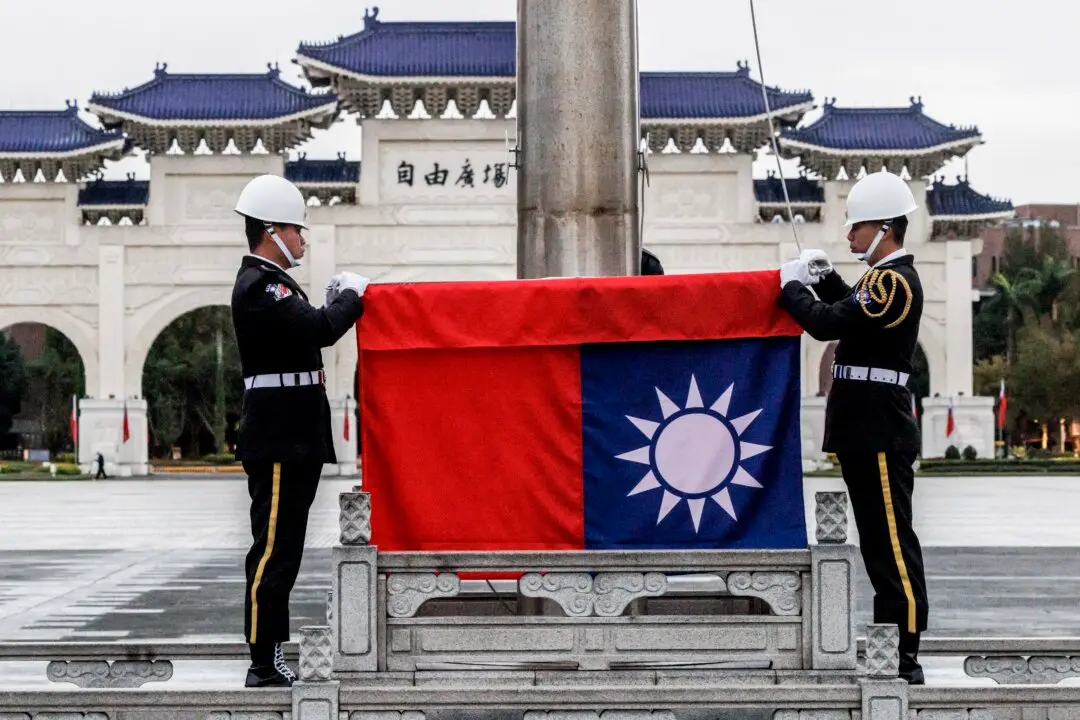
China’s newest ethnicity law deserves more than a passing mention. It is not a minor administrative reform, nor is it another slogan-heavy statute from the rubber-stamp National People’s Congress.
The law is a pivotal marker in Chinese leader Xi Jinping’s campaign to move China away from even the appearance of ethnic autonomy and toward something harder: political assimilation under law.
This is the first in a three-part series examining China’s Law on Promoting Ethnic Unity and Progress, which was adopted on March 12 and went into effect July 1. Part one looks at the law’s central premise: Beijing is shifting from managing ethnic difference to a disciplinary approach.
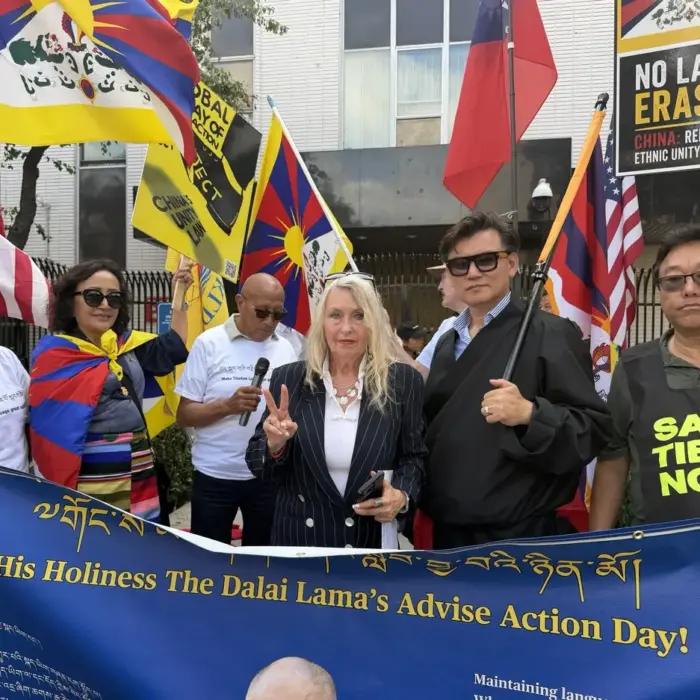
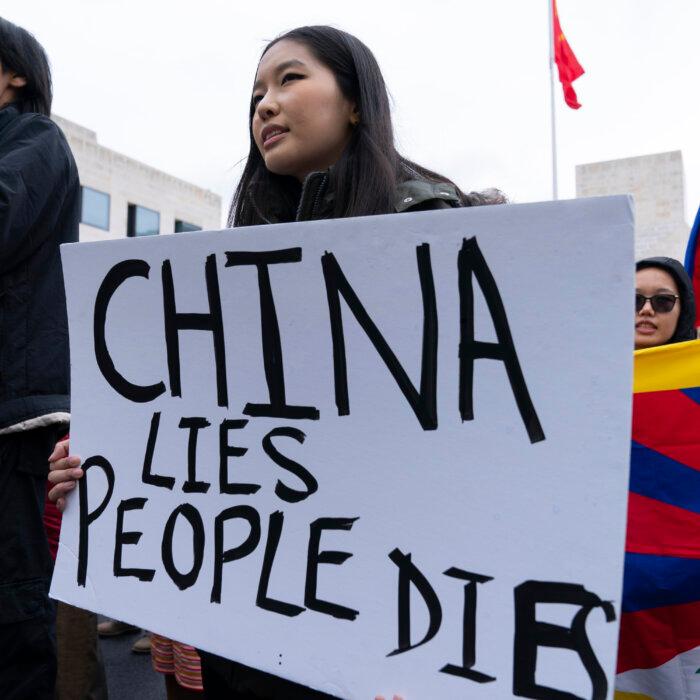
Article 6 says China will promote commonality while respecting and embracing difference, according to China Law Translate’s English rendering of the statute. In English, that can sound like multicultural inclusion. In the Chinese political context, the order matters. Commonality comes first. Difference survives only when subordinated to the Chinese Communist Party’s (CCP) leadership, national unity, Mandarin-centered education, state-approved history, and the Party’s preferred story of the Chinese nation.
In a Western view, the title sounds inclusive. However, “ethnic unity” is the kind of phrase authoritarian systems use when repression needs softer packaging. The law’s text tells the true story.
Article 2 places ethnic unity work under the “comprehensive leadership” of the CCP and requires adherence to Xi Jinping Thought.
Article 6 declares that a sense of the Chinese national community is the root of ethnic unity and prohibits acts that undermine unity or create ethnic division.
Article 10 makes every citizen responsible for preserving national unity and opposing what Beijing describes as foreign efforts to use ethnicity, religion, or human rights to contain or undermine China, according to China Law Translate’s English rendering of the statute.
At its root, it is a loyalty test, and more than that, an identity test. The law reaches past public behavior and into what citizens are expected to remember, believe, speak, teach, and become.
The Council on Foreign Relations described the law as a shift “from autonomy to assimilation,” arguing that Beijing has codified a long-running move away from the post-1949 promise of ethnic autonomy and toward a stronger, centralized national identity.
The law reinforces Beijing’s coercive ethnic policy. It gives national legal form to a model already visible in Xinjiang, Tibet, Inner Mongolia, and Hui Muslim communities.
China’s older ethnic-autonomy framework still contained the language of minority protection. It recognized minority languages, customs, and nominal self-government in designated regions. Beijing never fully honored those promises, but their presence satisfied Western perceptions. They represented, at least formally, the idea that minority identity had a protected place inside the Chinese state.
The new law changes the center of gravity. It says the difference may be respected, but only after it has been made safe for the Party. Culture may remain, but not as an independent source of authority. Religion may continue, but not if it competes with state-defined loyalty. Language may be displayed, but Mandarin carries the future. History may be taught, but the Party decides which memory is correct.
That shift gives officials a broad vocabulary for coercion.
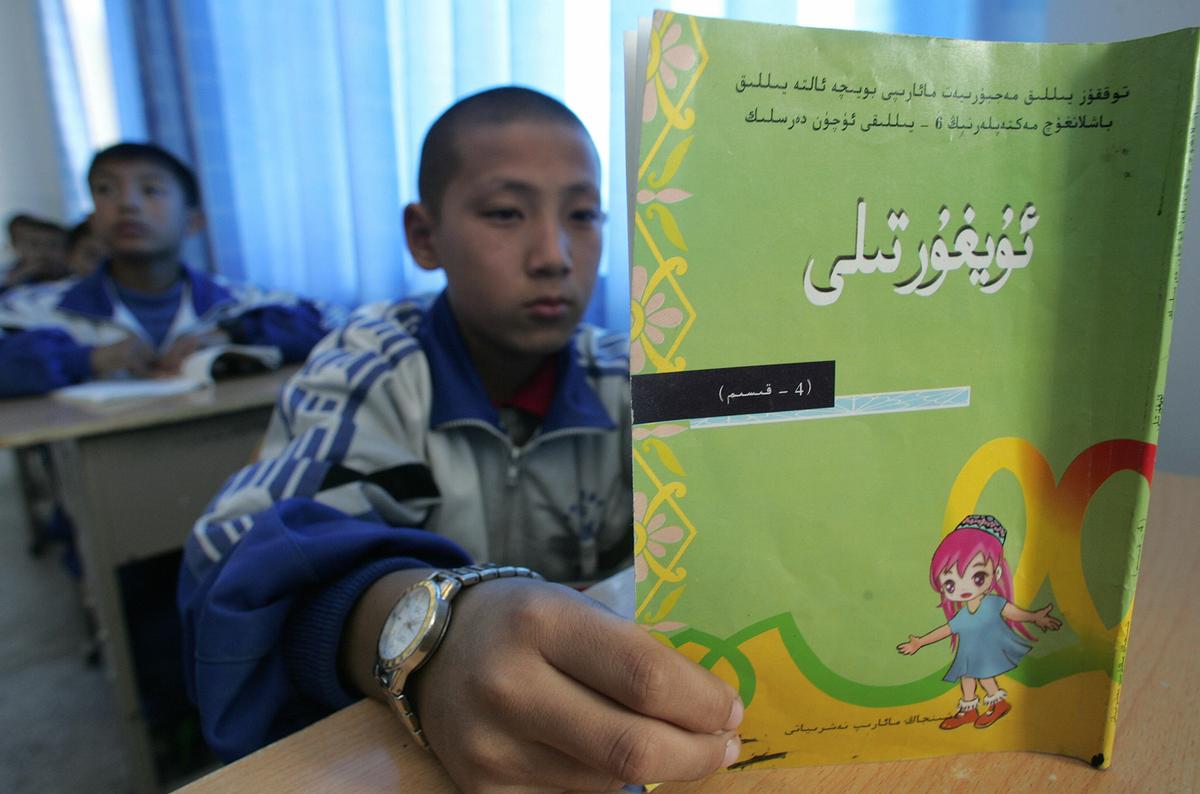
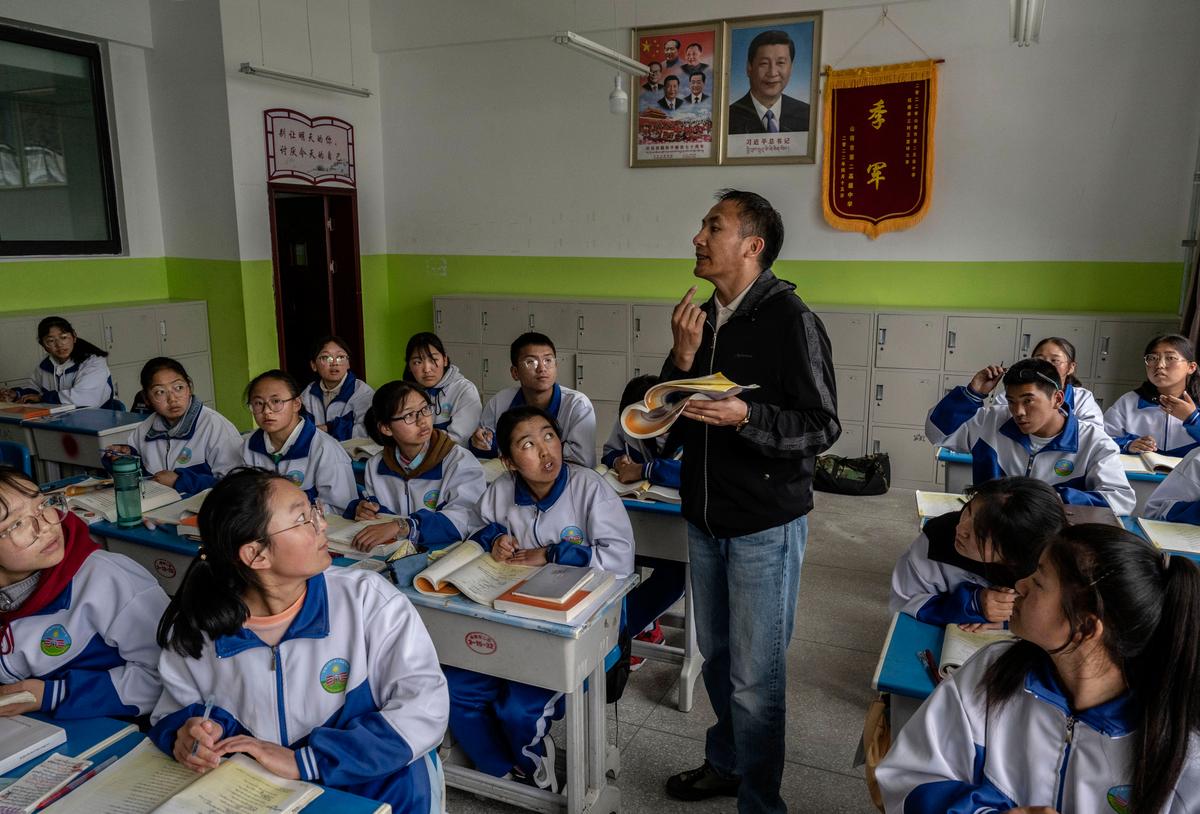
In December 2025, the Congressional-Executive Commission on China (CECC) warned that the draft law would intensify language and cultural assimilation by pushing Mandarin-language instruction for minority children beginning in preschool and embedding ideological education that prescribes a single “correct” view of history, ethnicity, culture, and religion.
The final law maintained that course. It requires citizens to identify with the great motherland, the Chinese people, Chinese culture, the Chinese Communist Party, and socialism with Chinese characteristics. It also instructs the state to build a “shared spiritual home,” a phrase that sounds benign until one sees how Beijing uses schools, housing, religious policy, public architecture, and media to construct it.
The coercion is already visible.
In Inner Mongolia, the CECC’s 2025 Annual Report found that officials had completed the transition to Mandarin instruction for all subjects from kindergarten through senior high school. The same report noted a campaign to replace Mongolian-centered cultural language with “northern frontier culture,” a formulation outside analysts associate with efforts to weaken Mongolian identity and push a Han-centered national narrative.
Beijing does not need to ban Mongolian identity outright. It can rename it, teach around it, and make advancement depend on accepting the Party’s version of it.
Tibet shows the same instinct directed at childhood. CECC has warned that an estimated 80 percent of children in Tibet are separated from their families and educated in a system of state-run boarding schools.
Human Rights Watch’s 2026 report, “Start with the Youngest Children,” documents how preschool and kindergarten policies are being used to integrate Tibetan children into a Mandarin-first, state-directed identity system. Assimilation begins early because early is when memory is easiest to redirect.
Hui Muslim communities face similar pressure through religion. The CECC’s 2025 Annual Report reported that authorities suppressed Islamic expression through “sinicization” campaigns, mosque pressure, imam detentions, and tighter state control over religious interpretation.
In December 2024, police detained Hui imam Ma Yuwei in Yunnan, prompting hundreds of local Muslims. Authorities responded with police and military personnel, communication jammers, checkpoints, and questioning of Hui Muslims. The pattern is familiar: define independent religious authority as disorder, then define suppression as unity.
Xinjiang remains the clearest warning of where this logic can lead. CECC has noted that “ethnic unity” rhetoric has already been used in Xinjiang to justify programs such as “becoming family,” in which Uyghur and other Muslim families were forced to host Party cadres and civil servants in their homes.
A Congressional Research Service report on human rights in China describes severe restrictions on Uyghur religious and cultural life, mass detention, political indoctrination, forced labor, and coercive transfers. The new law gives the broader state a national template for the same political idea.
The sequence is not hard to see. Beijing identifies a distinct ethnic, religious, or cultural identity as a potential threat to national unity. It then instructs schools, workplaces, local governments, religious bodies, media, and families to cultivate the correct identity. The new law paves the way for those who resist to be labeled separatist, extremist, foreign-influenced, or socially disruptive.
The CCP is showing how a modern authoritarian state can make coercion look administrative. There may be no single order saying Tibetans must stop being Tibetan, Mongols must stop being Mongol, Hui Muslims must stop being Muslim, or Uyghurs must stop being Uyghur. Instead, Beijing writes a law requiring citizen unity: Mandarin-speaking, ideologically trained, historically corrected, culturally harmonized, and politically loyal.
The United States and its partners should read this law closely. It provides a clear statement of where China’s internal governance is headed and how Beijing may justify the next round of coercion. Congressional committees, analysts, human rights investigators, allied governments, universities, and civil society organizations should treat the law as a warning. It broadcasts Beijing’s new normal.
International debate will not alter Beijing’s course. But the world still needs to see this law clearly: not as the softened, Western-facing translation pushed through CCP messaging channels, but as a blueprint for how Xi intends to reshape China’s minority communities.