
China’s rising youth unemployment and retreat into such trends as “lying flat,” “rat people,” and “full-time grandchildren” reveal a growing disconnect between Chinese leader Xi Jinping’s calls for national rejuvenation and a generation increasingly unwilling or unable to work.
When people talk about China’s “lost youth” or “lost generation,” they are usually referring to the demographic decline and aging crisis. These issues stem from decades of the one-child policy, followed by a sharp rise in the cost of living. As the job market becomes increasingly competitive and housing prices continue to soar, many young people are delaying marriage and spending more time in school before entering the workforce.
While these demographic trends continue to worsen, an even more troubling “lost generation” is unfolding: young people who have either completely checked out of society and the job market, or who want to work but cannot find employment in China’s slowing economy.
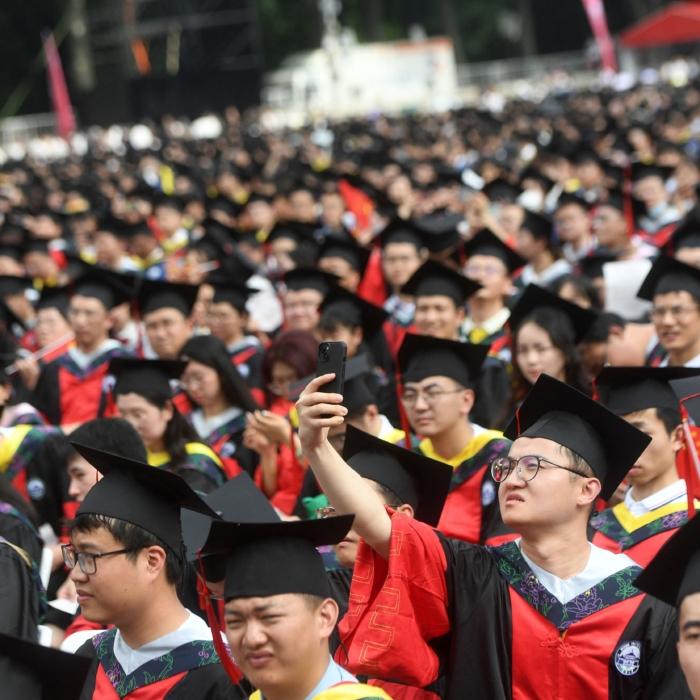
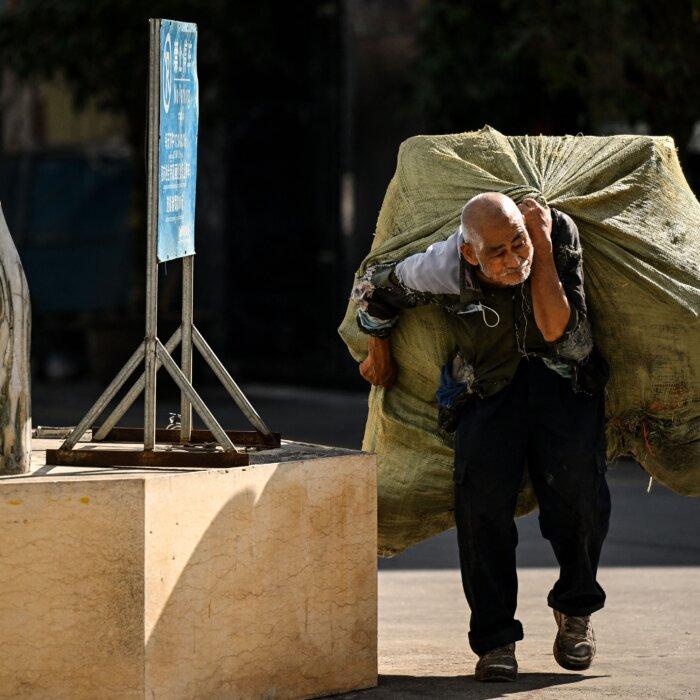
Bai Lan, which grew out of the earlier “Tang Ping” (“lying flat”) trend of 2021, rejects the grueling “996” work culture, soaring living costs, and lack of upward mobility that make career advancement seem impossible, especially for middle- and lower-income youth. It is both a coping mechanism and a form of silent resistance, favoring minimal work to meet basic needs over high-stress, lucrative jobs.
Popular among unemployed or underemployed millennials and Gen Zers, the movement embraces a nocturnal, low-energy, reclusive lifestyle modeled after the habits of a rat, such as avoiding bright light, staying indoors, and living quietly on the margins. Participants spend their days in bed, browsing online, eating takeout, and posting humorous or self-deprecating “daily schedules” on platforms, including Xiaohongshu, Douyin, and RedNote.
Unlike “lying flat,” which still involved pursuing personal interests, “rat people” deliberately reject self-discipline and social expectations, presenting themselves as the opposite of glamorous, high-achievement influencers, posting 4 p.m. bedbound videos instead of 4 a.m. workout routines.
The movement is fueled in part by the younger generation, whose parents benefited from China’s earlier economic boom and can provide financial support, allowing for extended periods of joblessness. While some posts exaggerate the lifestyle for attention, experts say the trend reflects deep disillusionment.
Yet another example of young people abandoning traditional jobs and careers is the rise of “full-time children,” young adults paid by their families to stay home, handle housework, and care for relatives. Many have left stressful jobs or studies to escape intense competition, while others returned home after failing to find work.
A similar trend is the “full-time grandchild,” where unemployed young adults move back home to care for grandparents. This role provides companionship, emotional support, and daily assistance, and is often regarded as more filial than the “full-time children” arrangement. Many in this role are supported financially by their grandparents’ pensions, enabling them to focus entirely on caregiving.