The Five Eyes Sound the Alarm
Today, intelligence agencies across the Five Eyes alliance, consisting of the United States, the UK, Canada, Australia, and New Zealand, are warning that Beijing has dramatically expanded both the scale and sophistication of its spying operations. Recent joint warnings suggest that China’s intelligence apparatus is no longer focused solely on stealing technology and trade secrets.Increasingly, Beijing’s spy efforts are targeting government officials, military personnel, critical infrastructure, telecommunications networks, and even ordinary citizens who possess useful access or information.
The result is a sustained intelligence campaign unlike anything seen since the Cold War.
In June, the Five Eyes alliance issued a rare joint warning that Chinese intelligence services are aggressively recruiting sources through LinkedIn, Indeed, Upwork, and other professional networking platforms. Intelligence officials say Chinese operatives pose as recruiters, consultants, think tanks, and research firms to identify individuals with access to sensitive information.
According to the joint bulletin, targets include defense personnel, foreign affairs specialists, military members, government contractors, journalists, academics, and think-tank researchers. The goal is straightforward: obtain privileged military, political, economic, and technological intelligence that can provide Beijing with a strategic advantage.


British intelligence officials report that thousands of individuals connected to Parliament, the civil service, and defense institutions have been approached through these methods.
Beijing’s Preferred Methods
China’s intelligence model differs from traditional Soviet-style espionage.Rather than relying primarily on professional intelligence officers, Beijing employs a broad ecosystem involving intelligence agencies, military organizations, state-owned enterprises, universities, front companies, cyber units, and private-sector actors.
The strategy is simple: Collect information from thousands of sources, then aggregate it into actionable intelligence.
This approach includes constant efforts at cyber intrusions into government and private networks, intellectual property theft, and the recruitment of insiders. As noted above, it also includes the well-known practice of academic and research collection, influence operations, and monitoring overseas Chinese communities, as well as leveraging professional networking platforms.

Critical Infrastructure a Primary Target Via Volt Typhoon
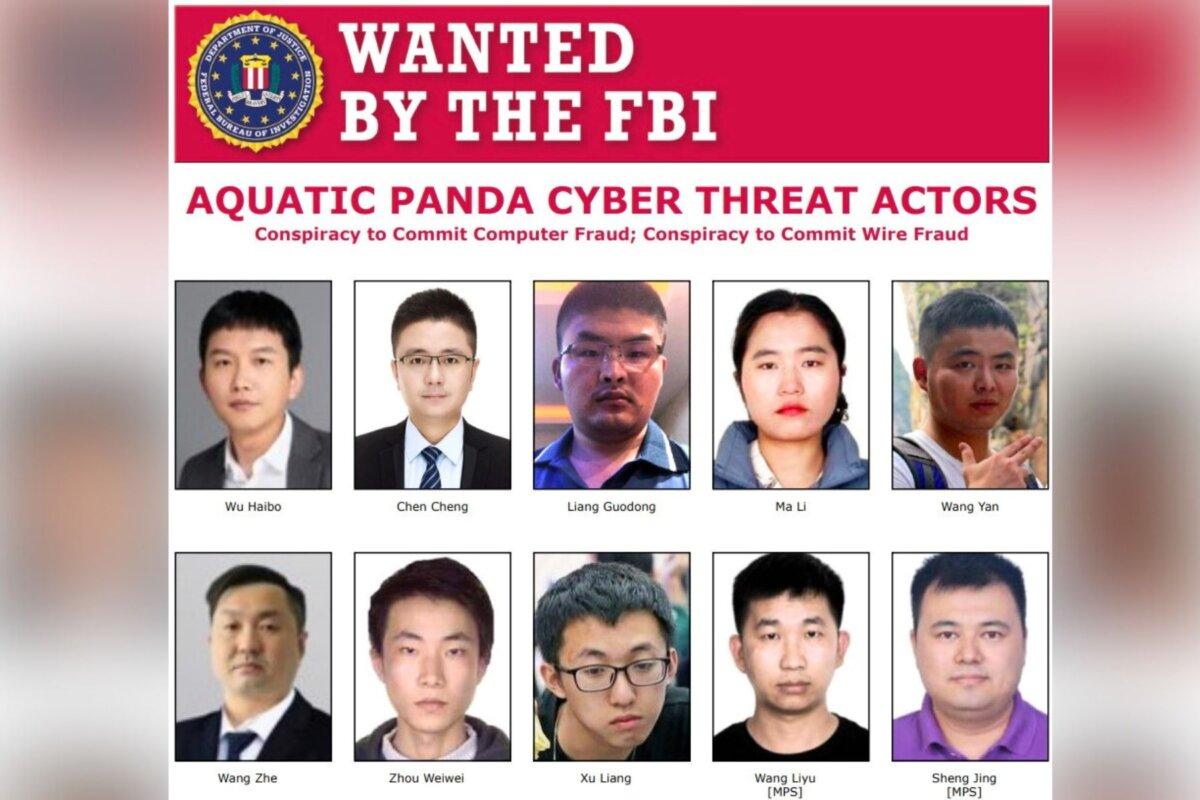
Perhaps the most concerning development involves China’s penetration of Western critical infrastructure.U.S. intelligence agencies, including the FBI, National Security Agency, and Cybersecurity and Infrastructure Security Agency, have warned that a Chinese state-sponsored hacking group known as “Volt Typhoon” maintained access to portions of U.S. critical infrastructure for at least five years before discovery.
Targets reportedly span the spectrum of industry, distribution, and more. They include aviation, rail, maritime transportation, pipelines, communications systems, and water utilities.
What makes Volt Typhoon especially alarming is that officials believe that the operation extends beyond intelligence gathering. U.S. agencies assess that the hackers may be “pre-positioning” themselves inside infrastructure networks for potential disruption during a future crisis or conflict.
That represents a significant escalation from traditional espionage.
Microsoft first publicly identified Volt Typhoon in 2023.
The group used so-called living off the land techniques, meaning that they relied on legitimate administrative tools already present inside victim networks rather than deploying easily detectable malware.
The approach allowed operators to remain hidden for extended periods while collecting intelligence and establishing long-term access. Guam, home to critical U.S. military installations and communications infrastructure in the Pacific, was among the reported targets.
Another Chinese-linked operation, known as Salt Typhoon, reportedly focused on telecommunications networks.
Security experts and intelligence officials have linked the campaign to large-scale espionage efforts against communications infrastructure. Reports indicate that the operation sought access to sensitive telecommunications data, including communications involving government officials and decision-makers.
Online Recruitment Operations
The newest concern involves China’s use of social and professional networking platforms.According to Five Eyes intelligence services, Chinese military intelligence officers increasingly masquerade as recruiters offering consulting opportunities, research assignments, or policy-analysis projects. Initial requests appear harmless. Over time, targets are encouraged to provide increasingly sensitive information.
Officials describe this as a highly scalable model capable of reaching thousands of potential sources simultaneously.
The evidence for China’s comprehensive spy campaigns comes from multiple sources, with governments issuing warnings that are increasingly multinational.
What Is Being Done?
Western governments have responded by strengthening cyber defenses, increasing intelligence sharing, restricting technology transfers, tightening export controls, and prosecuting espionage cases.The Five Eyes alliance has become increasingly public in exposing Chinese operations. Intelligence agencies appear to believe that public attribution imposes costs on Beijing and helps potential targets recognize recruitment efforts before damage occurs.
Is enough being done to blunt China’s penetration and access to critical intelligence, advanced technologies, and other sensitive areas?
Will This Lead to War?
Is China’s vast espionage activity a precursor to war?Not necessarily. Espionage is a normal feature of international competition, and every major power engages in it to some degree.
However, China’s penetration of critical infrastructure raises the stakes. If intelligence agencies are correct that some operations are designed to prepare for disruption during a Taiwan crisis, the line between espionage and conflict becomes less clear.
The current risk of direct military conflict between China and the United States remains relatively low, but it is higher than at any point in decades. Most analysts see cyber operations, economic coercion, technology competition, and proxy pressure as far more likely than open war.
Yet the lesson is clear. Beijing’s intelligence campaign is growing broader, deeper, and more ambitious. The Five Eyes warning suggests that Western governments increasingly view Chinese espionage not as a collection of isolated incidents but as a long-term strategic effort aimed at shifting the balance of power in China’s favor.
Is a deep and coordinated response between Western nations likely?
Perhaps not, but it’s looking more necessary than ever.