The CCP set its 2026 annual economic growth target at 4.5 to 5 percent, its lowest since it began publishing annual targets in the early 1990s. Analysts at the U.S.-China Economic and Security Review Commission believe that, given current trends, China will fall short of even this relatively modest goal.
Their pessimistic outlook is based on two concurrent but distinct problems. The first is an external supply shock caused by the U.S.-Iran conflict. The second is a domestic structural downturn that predates the conflict by several years.
Retail sales growth has decelerated in three consecutive reporting periods. Year-on-year growth peaked at 2.8 percent in the January-to-February period, then slowed to 1.7 percent in March, 0.2 percent in April, and turned negative in May at -0.6 percent.
The decline was concentrated in large discretionary purchases. Automobile sales fell 16.1 percent in May after a 15.3 percent drop in April, and home appliances, furniture, and building materials each fell between 8 and 16 percent. Retail sales excluding automobiles rose 1.1 percent in May. For the January-to-May period, cumulative retail sales of consumer goods remained positive at 1.4 percent year-on-year, though this was down from 1.9 percent for January-to-April and 2.8 percent for the first two months of the year.
China’s Labor Day holiday, which ran from May 1 to 5 in 2026, is one of the country’s two biggest domestic travel and retail periods of the year, typically tied to major seasonal promotions. The fact that retail sales still declined during the Labor Day holiday month underscores the weakness of underlying demand.
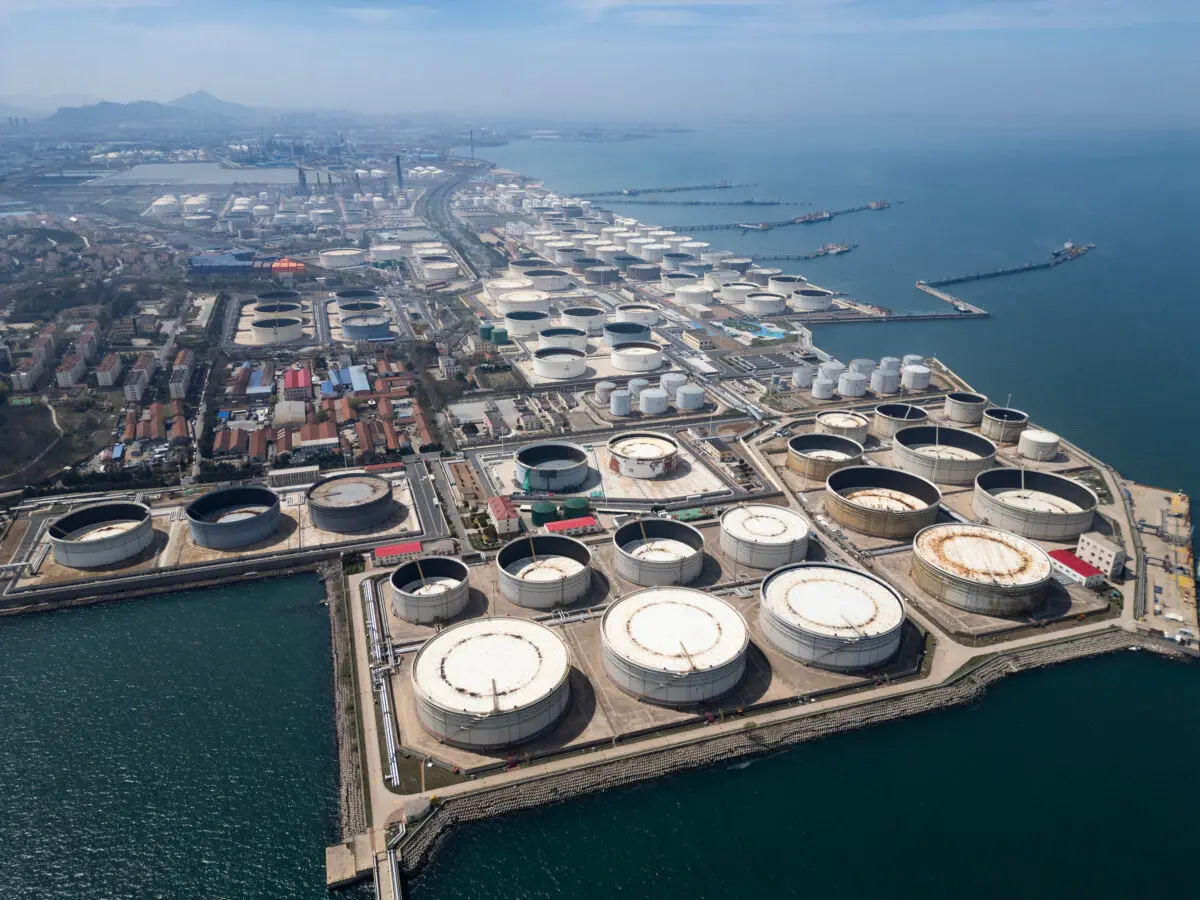
At the same time that retail sales are cooling, it is becoming more expensive for factories to manufacture goods. China’s producer price index climbed 3.9 percent year-on-year in May, the fastest pace in 46 months, up from 2.8 percent in April and 0.5 percent in March, when factory-gate prices ended the longest deflationary streak in decades. Mining prices rose 15.8 percent and raw materials climbed 9.2 percent. Analysts at the U.S.-China Economic and Security Review Commission attribute the trend to the war involving the United States, Israel, and Iran, which has disrupted global energy flows and pushed up commodity costs since February.
None of that pressure has reached Chinese consumers. Prices rose just 1.2 percent year-on-year in May, unchanged from April, while producer prices for consumer goods fell 0.8 percent. Manufacturers and downstream firms are absorbing the higher input costs rather than passing them on, compressing already thin margins, and the gap between producer and consumer inflation widened to its largest since June 2022.
Beneath the impact of the Iran conflict lies a structural downturn now in its fifth year. Fixed-asset investment fell 3.8 percent in full-year 2025 after growth in prior years, then continued to weaken through 2026, moving from a 1.7 percent gain in the first quarter to a 4.1 percent decline for the January-to-May period. Foreign direct investment has followed a longer decline: net inflows peaked at $344.1 billion in 2021 and fell every year after, to $18.6 billion in 2024, the lowest level in three decades.
Investment in real estate development fell 16.2 percent year-on-year in the January–May 2026 period. The floor space of newly built commercial buildings sold dropped 10.8 percent, and total sales of commercial property fell 13.5 percent. Real estate investment has fallen nearly 44 percent since the start of the decade, and average new home prices have dropped roughly 20 percent from their 2021 peak.
Direct employment at property developers has nearly halved since 2021, falling from 2.1 million to 1.2 million. Construction-sector employment overall has shed 16.8 million jobs since its 2023 peak.
Land-use rights revenue, on which local governments rely for the bulk of their spending, fell more than 50 percent between 2021 and 2025. Overall local government revenue grew just 0.2 percent year-on-year through October, weighed down by a further 7.4 percent decline in land-lease revenue, even as tax receipts improved.
Youth unemployment among those aged 16 to 24 stood at 16.9 percent as of March 2026. This overhang limits authorities’ capacity to counter the demand slump and contributes to persistent deflationary pressure alongside the property correction. The IMF projects medium-term growth slowing to roughly 3.5 percent by 2030 absent reform, citing a declining labor force, diminishing returns to investment, and slowing productivity growth.