The detention of two American citizens who publicly criticized Burma’s military junta and exposed Chinese influence came as Beijing sought to protect its strategic investments, rare-earth supply chains, and political influence through support for the regime and efforts to shape the course of the country’s civil war.
Two U.S. citizens who wrote and spoke publicly about Burma (Myanmar) and the Chinese Communist Party (CCP) influence in the country’s civil war were detained within 24 hours of each other in early June. The arrests came as Beijing was preparing to host Burmese leader Min Aung Hlaing, the former general who seized power in a 2021 coup.
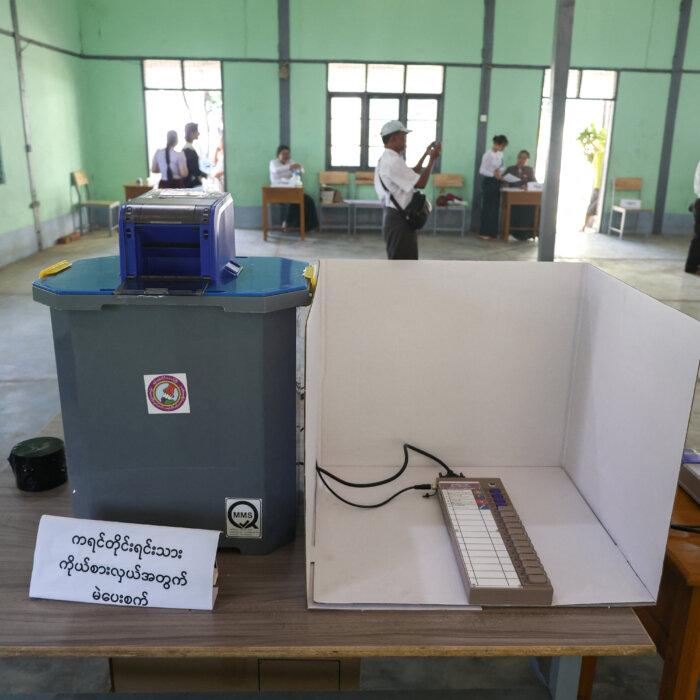
Earlier this year, he installed himself as president following an election denounced as fraudulent by the United States, the European Union, and the United Kingdom. The CCP was among a small number of governments to legitimize the election, sending an official observer delegation and voicing consistent support for the polls.
Min Zin, executive director of the Institute for Strategy and Policy-Myanmar (ISP-Myanmar), a dual U.S.-Burmese citizen, was detained on June 3 upon arriving at Kunming Airport in Yunnan Province after traveling there at the invitation of a university. A former student activist who participated in Burma’s 1988 pro-democracy uprising, Min Zin later fled the country, sought asylum in the United States, and became a naturalized citizen.
He previously worked as a culture editor for The Irrawaddy, a Burma-focused independent news outlet founded in 1993 by Burmese journalists in exile, before relocating to the United States. He is currently a doctoral candidate in political science at the University of California, Berkeley.
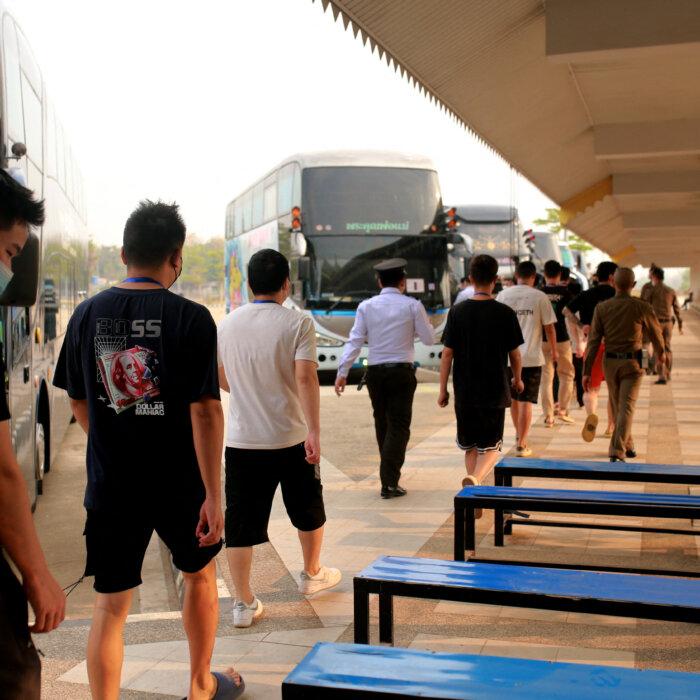
China’s foreign ministry confirmed his detention on June 12, stating he was suspected of “espionage and endangering national security.” U.S. consular officers have visited Min Zin in detention, the State Department confirmed, adding it is “engaged with Chinese officials on this case.”
The day before the CCP’s announcement, authorities in Burma detained a separate American, Adam Castillo, a former head of the American Chamber of Commerce in Burma, at Yangon International Airport after he returned from abroad promoting a book about living through Burma’s 2021 coup. Last year, during a visit to the White House, Castillo suggested to U.S. officials that Washington normalize relations with the military junta to gain access to rare-earth mineral sources in Kachin State.
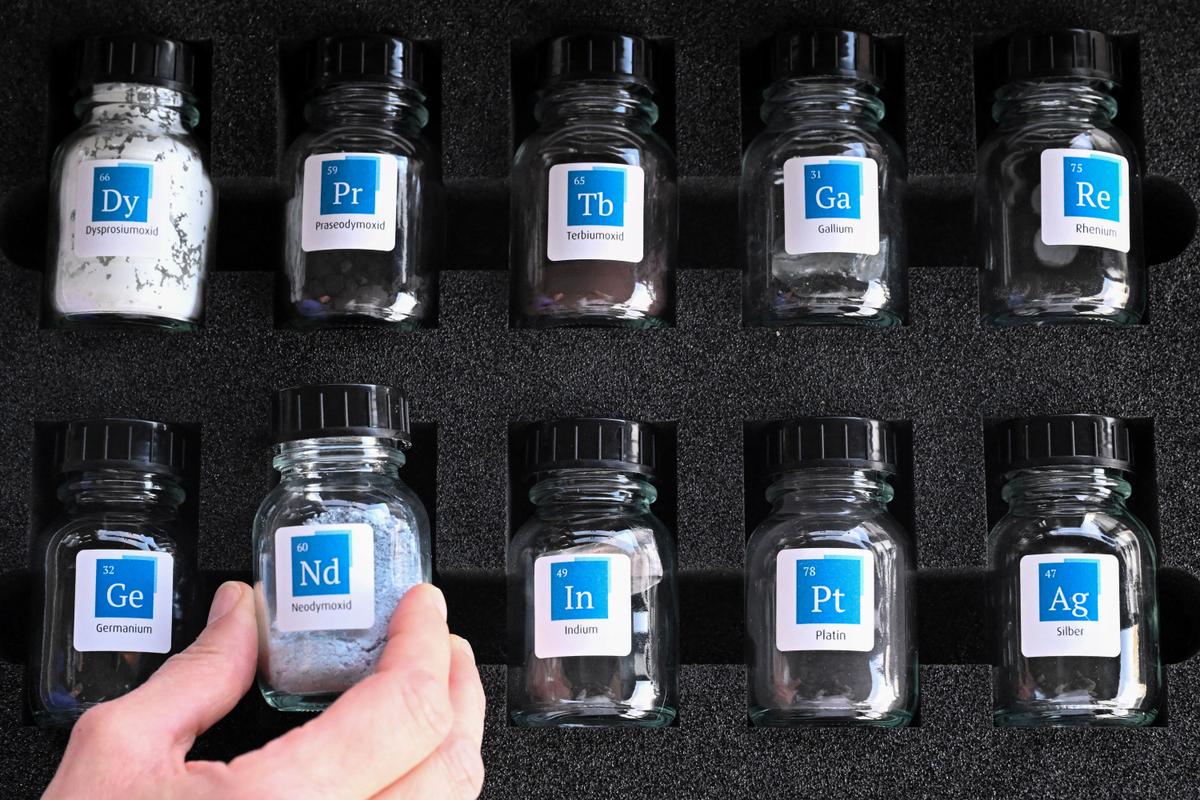
Rare-earth minerals—used in electric vehicles, wind turbines, and advanced defense systems—are a strategic resource in which the CCP holds dominant global processing capacity. Burma has become China’s most important supplier of heavy rare-earth elements, accounting for more than 60 percent of China’s annual imports by value. Any U.S. effort to access those minerals through Kachin State, where the Kachin Independence Army now controls key mining areas, would directly threaten the CCP’s grip on that supply chain.
In July 2025, the Trump administration received competing proposals to divert Burma’s rare-earth supply away from China, including one that would engage directly with the Kachin Independence Army and bypass the junta entirely. No decision has been made, but the proposals themselves signal a potential shift that Beijing would view as a direct challenge to its interests.
Min Zin’s analysis of Burma, including CCP influence in the civil war, has appeared in The New York Times, Foreign Policy, and NPR. Following Burma’s 2021 coup, ISP-Myanmar relocated to Chiang Mai, Thailand, where it continues to operate a dedicated China Desk that publishes detailed research on CCP infrastructure projects, including those associated with the China-Myanmar Economic Corridor.
The think tank closely tracks Beijing’s strategy of intermittently supporting both the military junta and ethnic armed organizations to protect its economic interests. Its reports have examined the CCP’s response to the 2021 coup, the impact of the war on Chinese infrastructure investments, CCP influence in parts of Kachin State, and Burma’s natural resource exports to China.
Before his arrest, Min Zin had visited China multiple times, and ISP-Myanmar maintained regular exchanges with CCP-affiliated think tanks.
Both China and Russia continue to arm Burma’s military while providing political support and blocking international action against the junta at the United Nations Security Council. The CCP has also pressured ethnic communities along the shared border to stop supporting resistance groups, persuaded some ethnic armed organizations to enter ceasefires with the government, and in some cases encouraged them to return territorial control to the junta.
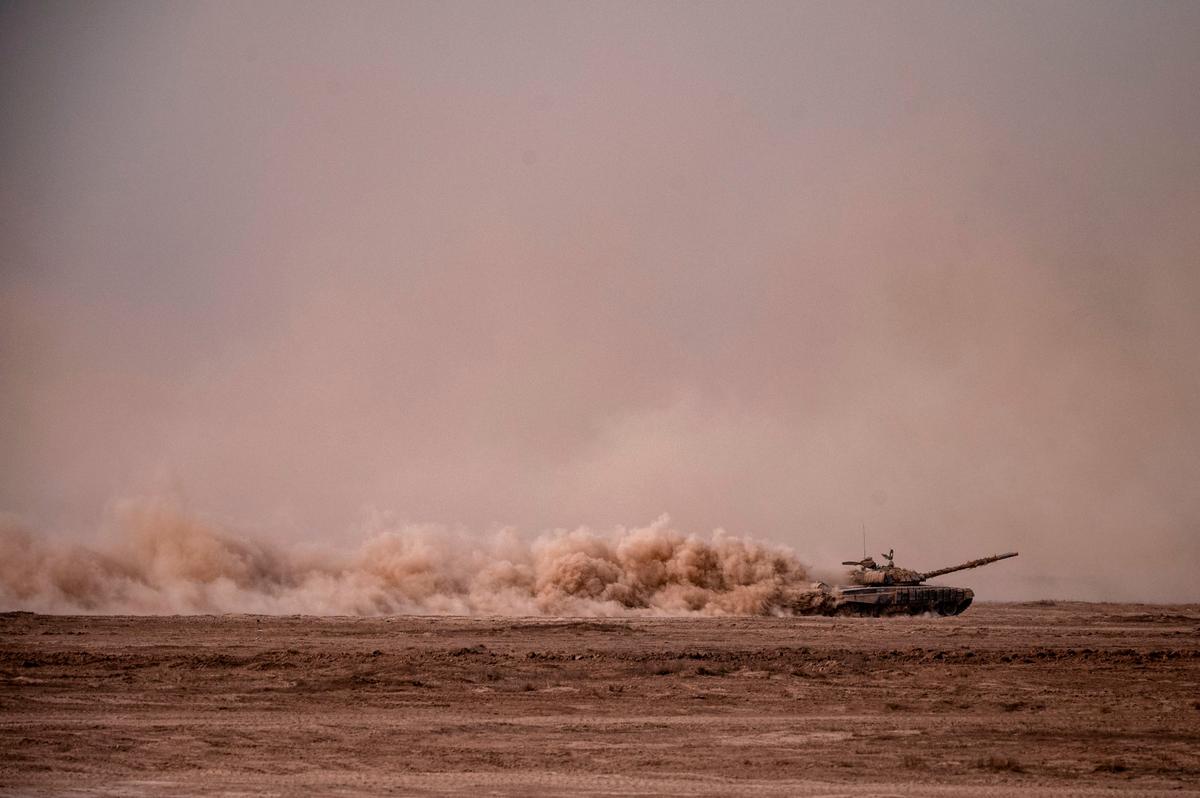
Beijing also clamped down on the United Wa State Army, the largest and most powerful ethnic armed organization in Burma, seizing assets and sealing border crossings until it agreed to halt the supply of weapons, equipment, and financial assistance to ethnic armies fighting the junta. Combined, these measures have dealt a significant blow to the resistance, which has been losing ground for more than a year.
Amnesty International called for Min Zin’s immediate release. “The circumstances around Min Zin’s mysterious arrest are extremely concerning, as is the apparent charge of espionage,” said Joe Freeman, the group’s Burma researcher.
Saw Zin Maung Soe, founder of the nonprofit CAN-Myanmar, told The Washington Post the arrest carried a broader warning. “While we already know they don’t tolerate issues regarding Tibet, Uyghurs, or Tiananmen Square, we now have to question whether ‘Myanmar’ has also become part of that list.”
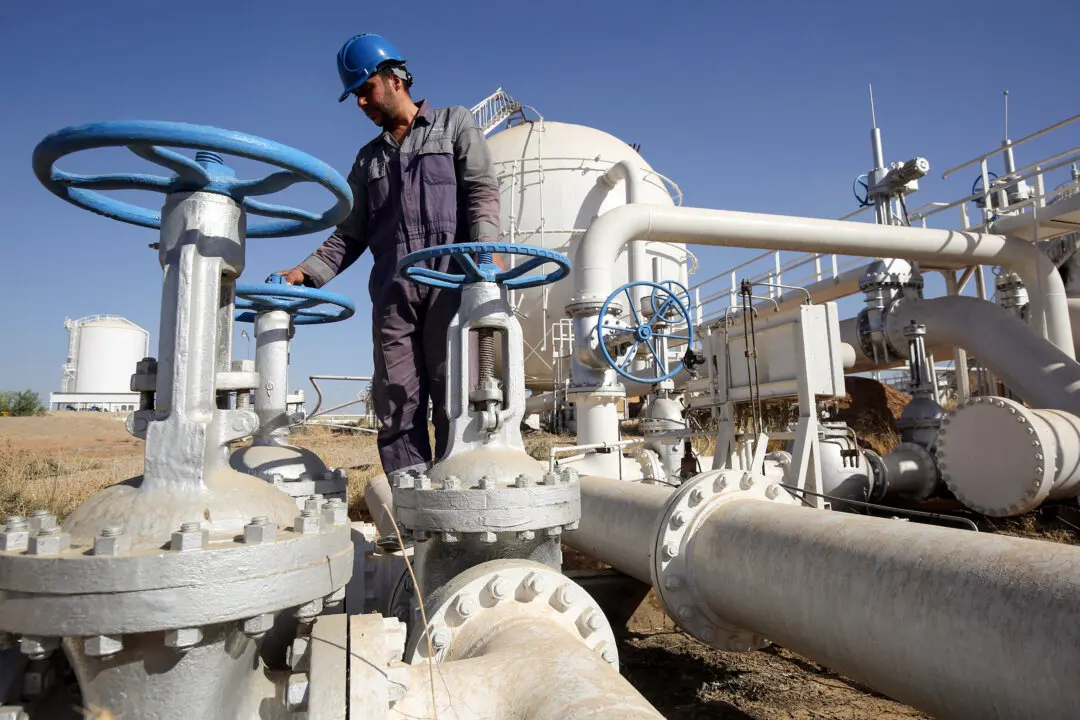
The CCP has invested heavily in Burma through its Belt and Road Initiative, including an oil and gas pipeline crossing the country and a planned deep-sea port. Both are part of the China-Myanmar Economic Corridor, a $15 billion overland route connecting Yunnan Province to the Indian Ocean while bypassing the Strait of Malacca, a critical chokepoint in the CCP’s energy supply chain.
Many of these projects are located in active combat zones and have faced threats and attacks since the 2021 coup. In February 2026, a CCP-backed power plant in Kyaukphyu was dismantled and relocated as clashes intensified nearby.
During their June 16 meeting at the Great Hall of the People in Beijing, Chinese leader Xi Jinping and Min Aung Hlaing signed 18 memorandums covering cross-border transportation, free trade, investment, disaster assistance, health, security, and media cooperation.
China remains Burma’s largest foreign investor and most consequential strategic partner. Beijing has backed Min Aung Hlaing’s government, supported its disputed elections, and brokered ceasefires to stabilize the country’s north, moves driven in large part by the need to protect its investments.